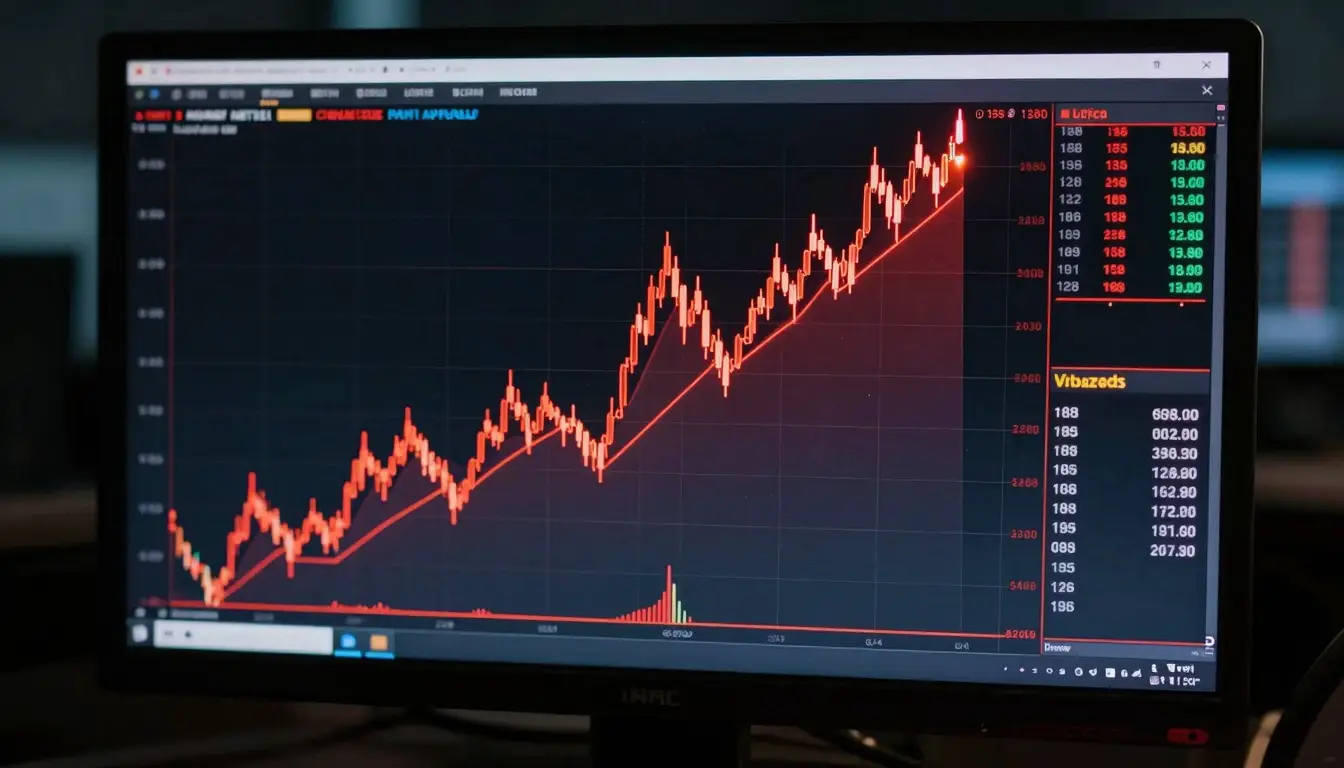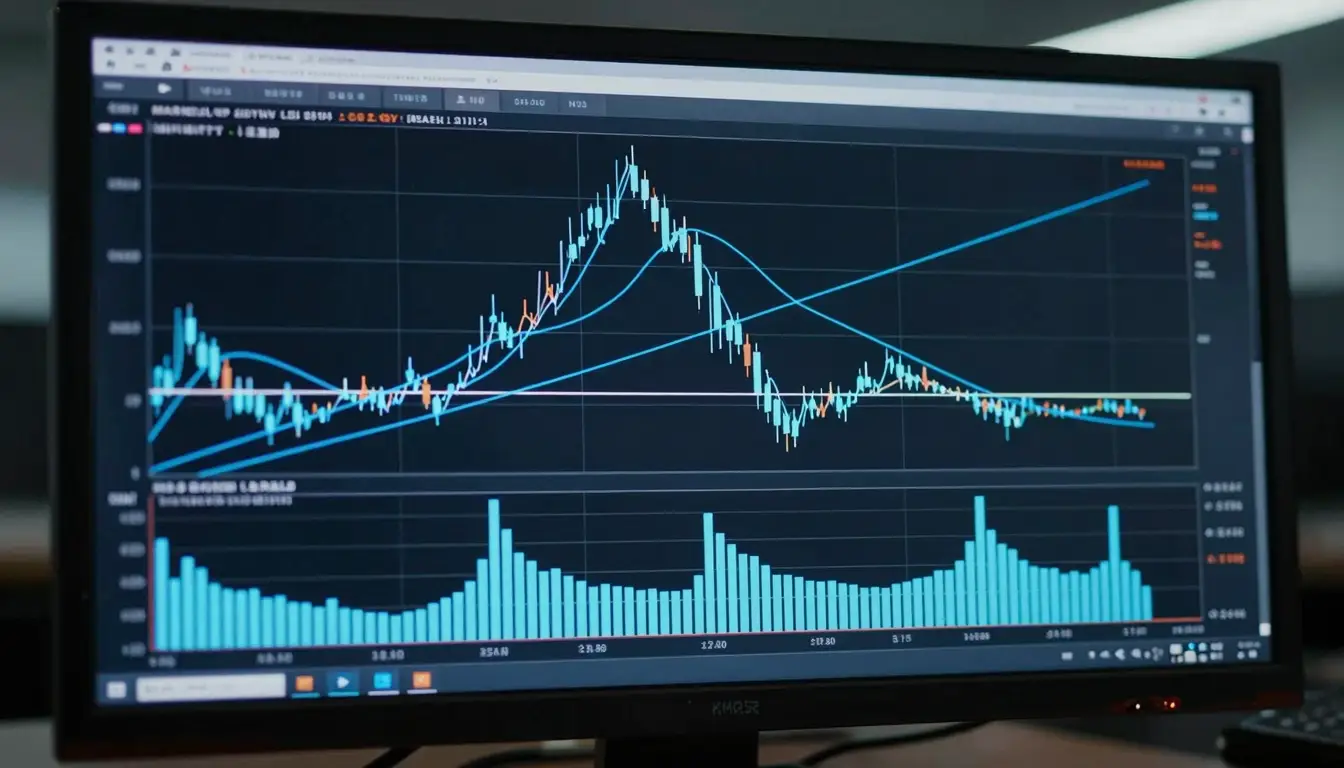
A dead cat bounce is a brief, short-lived recovery in the price of an asset that is in a clear downtrend, followed by a resumption of the fall. The price drops sharply, rallies for a short time so that it looks like the bottom is in, then rolls over and continues lower. The name comes from an old trading saying that even a dead cat will bounce if it falls far enough. It matters because the bounce fools buyers into thinking the decline is over, and they buy just before the next leg down.
Key points:
- A dead cat bounce is a temporary rally inside an ongoing downtrend, not the start of a recovery.
- It traps buyers who mistake the bounce for the bottom, then continues falling.
- You can only confirm one after the fact, once the price has broken to new lows.
- The lesson is to treat sharp counter-trend rallies in a falling market with caution.
What is a dead cat bounce?
Markets rarely fall in a straight line. Even during a severe decline, the price pauses and bounces as short sellers take profit and bargain hunters step in. A dead cat bounce is one of these counter-trend rallies that looks convincing, sometimes recovering a good chunk of the drop, before the selling returns and pushes the price to fresh lows. The rally is real, but the recovery it seems to promise is not. The underlying trend is still down, and the bounce is just a pause on the way there.
Why does a dead cat bounce happen?
Several forces create the bounce. Short sellers who profited from the fall close their positions by buying back, which pushes the price up. Buyers who believe the asset is now cheap step in, hoping to catch the bottom. And automated orders around a round number or a prior level add to the demand. Together these lift the price for a while. The bounce fades because none of it changes the reason the asset was falling in the first place, whether that is weak earnings, bad news, or a broad sell-off. Once the temporary buying is exhausted, the sellers take over again.
How can you tell a dead cat bounce from a real recovery?
Honestly, you often cannot tell in real time, and anyone who claims certainty is guessing. The label is only confirmed in hindsight, once the price has failed and made a new low. That said, some clues raise the odds that a bounce is the dead cat kind: the rally comes on fading volume rather than strong buying; it stalls at a former support level that has now become resistance; and nothing has changed in the underlying situation that caused the decline. A genuine recovery usually needs a real catalyst and tends to hold above prior lows. Because the two look alike early on, the safe assumption in a strong downtrend is that a bounce is suspect until proven otherwise.
How do traders handle a dead cat bounce?
The main lesson is caution. Buying into a sharp bounce during a clear downtrend is one of the ways beginners get caught, because it feels like buying the bottom when it is really catching a falling knife. Disciplined traders wait for evidence that the trend has actually turned rather than guessing at the low, and they always define their risk with a stop-loss before entering. The pull to buy a bounce is largely emotional, the fear of missing the rebound, which is why understanding trading psychology matters as much as reading the chart.
Related reading
- Stop-loss orders: where to place them and the trade-offs involved
- Trading psychology: how fear and greed affect decisions
- Risk-reward ratios: what they mean and how to use them
Frequently asked questions
Where does the term dead cat bounce come from?
It comes from a grim market saying that even a dead cat will bounce if it falls from a great height. The phrase captures the idea that a bounce off a sharp fall does not mean the asset is alive and recovering; it can simply be the mechanical rebound of something still heading down. It has been used by traders and financial journalists since at least the 1980s to describe short-lived rallies inside a larger decline.
How long does a dead cat bounce last?
There is no fixed length. A dead cat bounce can last a few hours, a few days, or occasionally a couple of weeks, depending on the asset and the market. What defines it is not its duration but that it fails: the price eventually rolls over and breaks below the low that came before the bounce. Because the length varies so much, time alone is a poor way to judge one.
Can you trade a dead cat bounce?
Some experienced traders do, either by shorting the failure of the bounce or by taking a quick long and exiting fast, but both are advanced and high-risk. For beginners, the more useful takeaway is defensive: do not assume a sharp bounce in a falling market is the bottom, and do not commit to a recovery until the price proves it. Trying to time these moves is one of the harder things in trading and a common way to lose money.
This article is educational and not financial advice. Trading carries risk and most retail accounts lose money. VLT Markets is a publisher, not a broker.