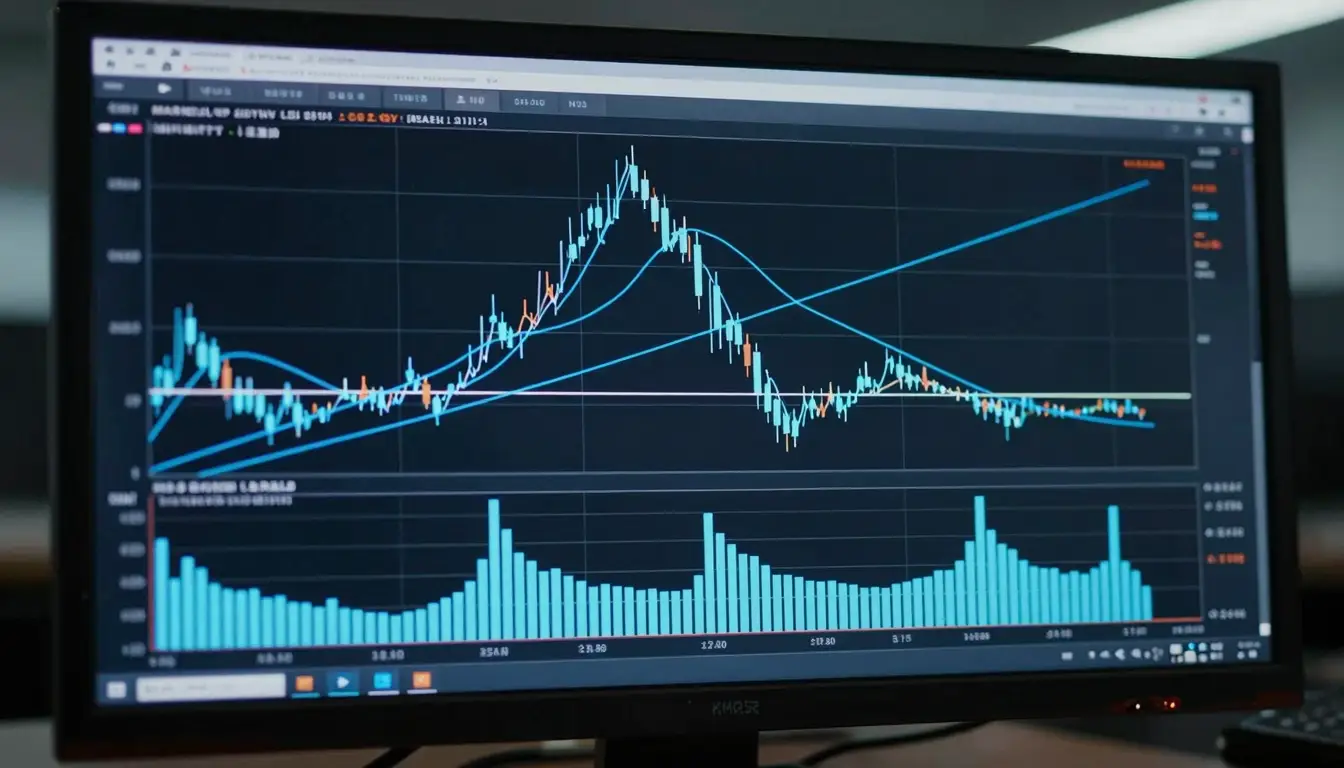
EIP-4844, activated in Ethereum’s Dencun upgrade in March 2024, introduced a new data type called blobs for rollups to post their transaction data to Ethereum. Before EIP-4844, rollups posted this data as calldata, which is permanently stored on Ethereum and priced accordingly. Blobs are cheaper because they are stored only for roughly 18 days (long enough for fraud proofs) and then pruned. The Dencun upgrade reduced Layer 2 transaction fees by 80 to 95% on most chains within days of activation.
How blob transactions work
A blob is 128 KB of data attached to a transaction. Ethereum’s consensus layer stores blob data and makes it available for 18 days; after that, nodes prune it. The execution layer (where Ethereum’s state lives) does not store blobs at all. This separation is why blobs are cheaper: they do not permanently expand Ethereum’s state. Each block can contain up to 6 blobs initially, with a target of 3 blobs per block.
Blobs have their own fee market, separate from Ethereum’s regular gas fee market. Blob fees are determined by a separate EIP-1559-style mechanism: there is a blob base fee that adjusts based on demand for blob space. When all rollups want to post data simultaneously (during high L2 activity), blob fees rise; during low activity, they fall to near zero. This is proto-danksharding, the first step toward full danksharding, which would increase the blob capacity by 100x or more.
What this means for traders
L2 gas fees on Arbitrum, Base, Optimism, and zkSync dropped from $0.05 to $0.30 per transaction before Dencun to $0.001 to $0.01 after it. This is not a temporary condition: blobs are structurally cheaper than calldata, and the fee reduction persists under normal load. For high-frequency DeFi operations (rebalancing, liquidation sniping, multi-step yield strategies), the cost change is meaningful: 100 transactions that cost $30 before now cost $1.
The practical implication for the Ethereum-L2 ecosystem is that strategies that were uneconomical on L2 due to gas become viable. Micro-sized yield positions, frequent rebalancing of concentrated liquidity, and high-frequency on-chain bots all become more competitive. The next phase (full danksharding with data availability sampling) is expected to increase blob capacity by 100x and further reduce fees. See: layer 2 crypto explained and optimistic rollups explained for the rollup context in which blobs operate.
A concrete example
Before Dencun (February 2024): sending $500 USDC from your wallet to a friend on Arbitrum costs roughly $0.30 to $0.80 depending on Ethereum mainnet congestion, because Arbitrum’s calldata cost tracks Ethereum gas prices. After Dencun (March 13, 2024): the same transaction costs $0.001 to $0.003. The Dencun activation was a single Ethereum block. Arbitrum’s average transaction fee dropped from $0.25 to $0.003 in that block and has remained in the sub-cent range through 2025 and into 2026 under normal conditions. Users who had avoided L2s due to perceived complexity with insufficient cost savings had a concrete reason to reconsider.
Frequently asked questions
What happens to blobs after 18 days?
Ethereum nodes prune blobs after approximately 18 days. The data is no longer available through normal Ethereum node queries after pruning. Rollups that need blob data for dispute resolution (fraud proofs) must keep their own historical copies or rely on specialized data availability networks. The 18-day window is set to be longer than the optimistic rollup challenge period of 7 days.
What is full danksharding?
Full danksharding is the long-term roadmap item that would increase blob capacity from the current 6 blobs per block to hundreds or thousands. It uses data availability sampling (DAS), where light nodes verify that blob data is available without downloading it, by checking small random samples. Full danksharding is expected to increase L2 throughput by 100x or more over current levels but requires substantial protocol development beyond what EIP-4844 implemented.
Do all rollups use blobs?
All major EVM rollups updated to use blobs within weeks of the Dencun activation: Arbitrum, Optimism, Base, zkSync, Scroll, Polygon zkEVM, and StarkNet all publish blob data rather than calldata now. The rollup’s sequencer makes this switch automatically through software updates; users do not need to do anything differently.