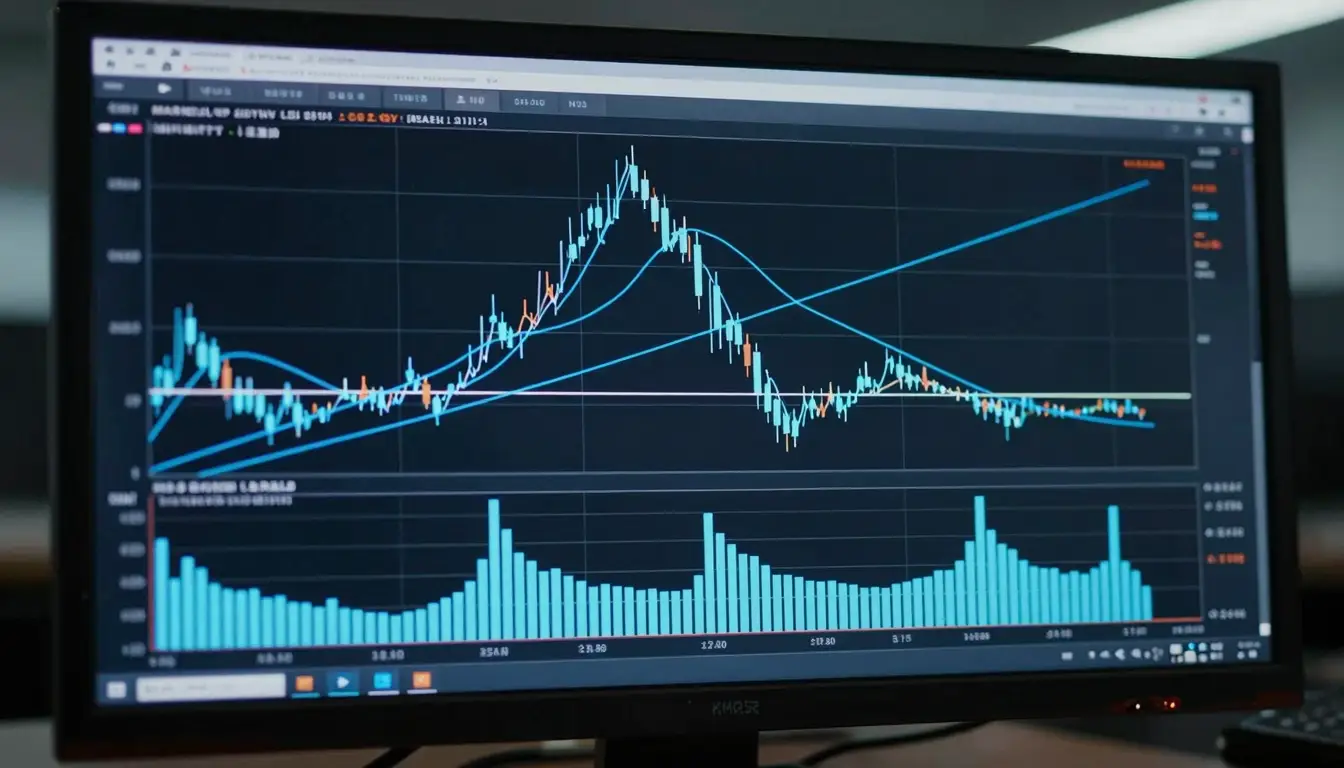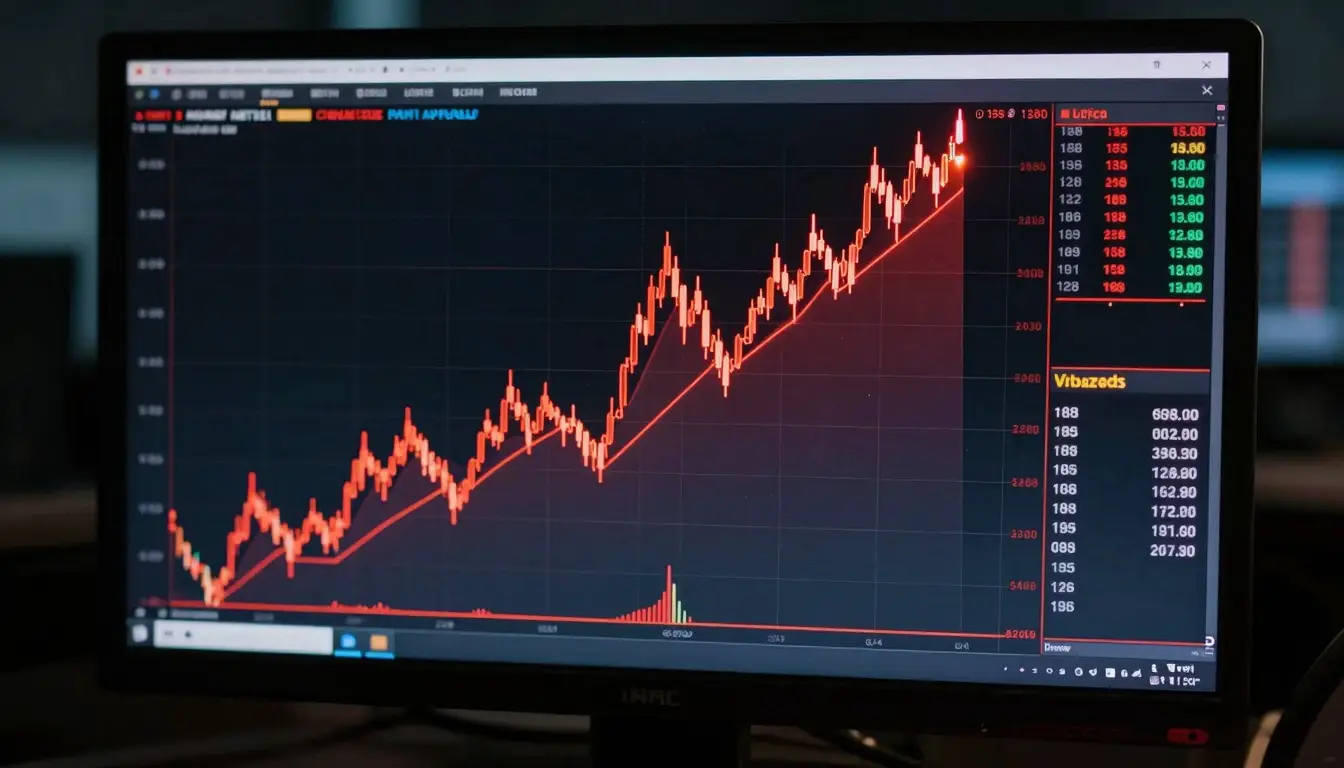
A short squeeze is a rapid, sharp rise in the price of an asset driven by short sellers being forced to buy it back. When many traders have bet against a stock by short selling it, an unexpected rise in the price can force them to close their positions to limit their losses, and closing a short means buying. That wave of forced buying pushes the price even higher, which forces more short sellers to buy, and the loop feeds on itself. The result is a violent, often brief spike. The GameStop episode of 2021 is the most famous recent example. This guide explains how a short squeeze works and what drives one.
Key points:
- A short squeeze is a sharp price spike caused by short sellers being forced to buy back to close their positions.
- It needs high short interest: a large number of traders betting the price will fall.
- A trigger, such as good news or coordinated buying, starts the price rising and sets off the loop.
- Squeezes are violent and short-lived, and trying to trade them is extremely high-risk for both sides.
First, how does short selling work?
To understand a short squeeze you first need short selling. A short seller borrows shares and sells them, hoping to buy them back later at a lower price and pocket the difference. It is a bet that the price will fall. The catch is that the potential loss is unlimited: if the price rises instead of falls, the short seller faces a growing loss, because they must eventually buy the shares back at the higher price to return them. Our guide to short selling stocks covers the mechanics and the margin requirements in detail. That unlimited-loss risk is exactly what makes a short squeeze so dangerous for those caught in it.
What causes a short squeeze?
Two ingredients are needed. The first is high short interest, meaning a large proportion of a stock’s shares have been sold short. This sets up a crowd of traders who all need to buy the stock back at some point. The second is a trigger that starts the price rising, such as unexpectedly good news, strong earnings, or a burst of buying. As the price climbs, short sellers start to lose money, and to cap their losses they buy back the shares, which is called covering. Because closing a short position means buying, this covering adds demand and pushes the price up further. That drives more short sellers to cover, and the feedback loop accelerates. The more crowded the short trade was to begin with, the more explosive the squeeze can be.
The GameStop example
In January 2021, shares in the US retailer GameStop rose by huge multiples in a matter of days. The stock had exceptionally high short interest, with hedge funds heavily bet against it, and a large group of retail traders, coordinating on social media, began buying the stock and its call options. As the price rose, short sellers were forced to cover at escalating prices, adding fuel to an already sharp rally. Some funds that were short the stock reported very large losses. The episode became the textbook modern short squeeze, showing both how violent these moves can be and how quickly they reverse once the forced buying is exhausted.
Can you spot or trade a short squeeze?
Traders look for warning signs, chiefly a high short interest ratio and a stock that is starting to rise on heavy volume, but spotting the conditions is far easier than timing the move. Short squeezes are notoriously unpredictable: they can fail to materialise, or reverse just as fast as they rose, leaving late buyers with heavy losses when the price collapses back down. Trying to ride one is extremely high-risk. Buyers can be left holding a stock that crashes once the squeeze ends, and short sellers can face enormous losses if they are on the wrong side. If you use leverage through products like CFDs, the danger is magnified, because leverage amplifies these violent swings in both directions. For most people, a short squeeze is better understood than traded.
Related reading
- Short selling stocks: how it works and the risks
- Leverage in trading: how it amplifies both gains and losses
Frequently asked questions
What triggers a short squeeze?
A short squeeze needs a stock with high short interest and a trigger that starts the price rising, such as positive news, strong earnings, or a wave of buying. As the price climbs, short sellers face mounting losses and buy back shares to close their positions, which adds demand and drives the price higher still. That forces yet more short sellers to cover, creating a self-reinforcing loop. Without both heavy short interest and an initial upward push, a squeeze does not develop.
How long does a short squeeze last?
Short squeezes are usually brief, often lasting from a few days to a couple of weeks, though the most intense part can play out in hours. They end once the forced buying from short sellers covering is exhausted, at which point the price frequently falls sharply, sometimes back towards where it started. This is why they are so risky: the move up is fast and the reversal can be just as fast, and there is no reliable way to know when the squeeze has run its course.
What is short interest?
Short interest is the total number of a company’s shares that have been sold short but not yet bought back, often expressed as a percentage of the shares available to trade. High short interest means a large share of traders are betting the price will fall, and it is one of the key conditions for a possible short squeeze, because all those positions represent future buying if the price turns against them. Traders watch it as a gauge of how crowded the short side of a stock has become.
Is trading a short squeeze a good idea?
For most people, no. Short squeezes are among the most volatile and unpredictable events in markets, and while the gains can be dramatic, the losses can be devastating for buyers who arrive late and for short sellers caught on the wrong side. Prices can reverse violently with little warning. Using leverage makes it far more dangerous still. Understanding how a short squeeze works is valuable, but actively trying to trade one is closer to speculation than investing, and most retail accounts that chase such moves lose money.
This article is educational and not financial advice. Trading carries risk and most retail accounts lose money. VLT Markets is a publisher, not a broker.