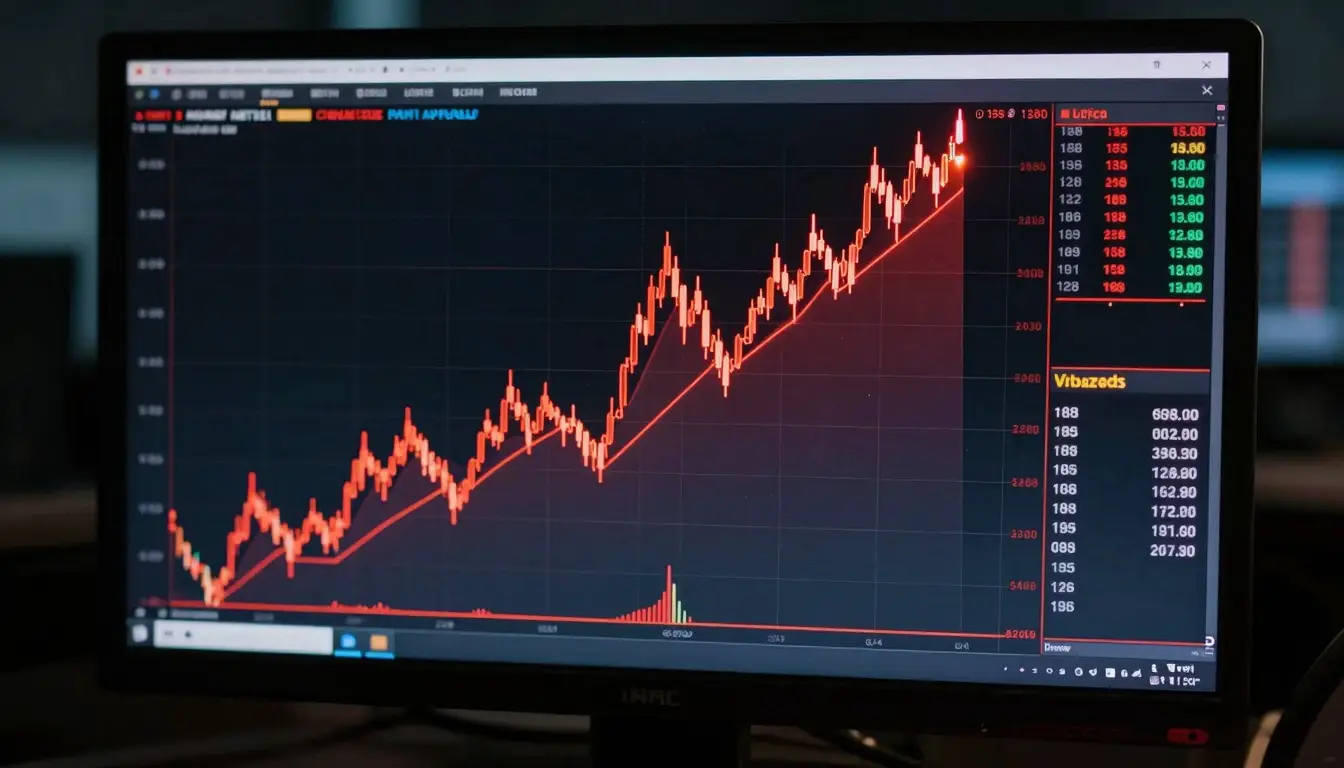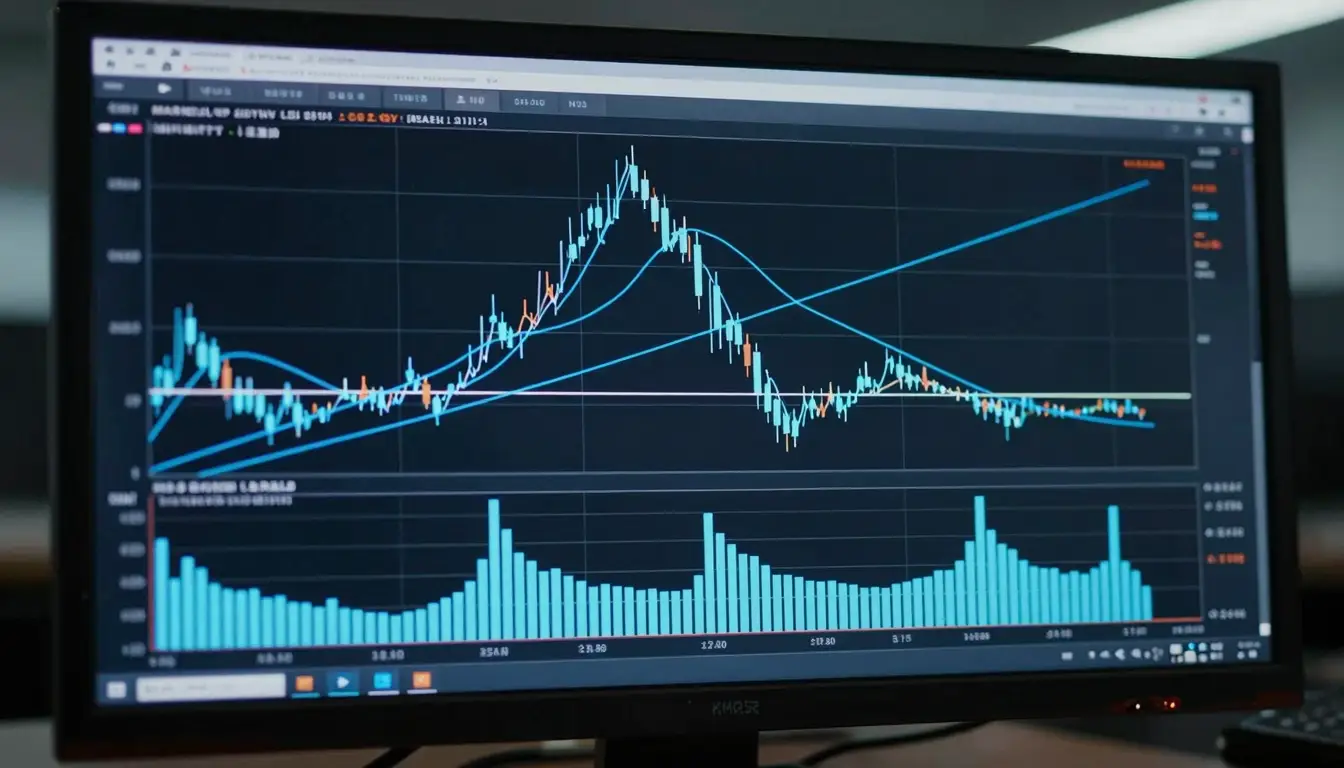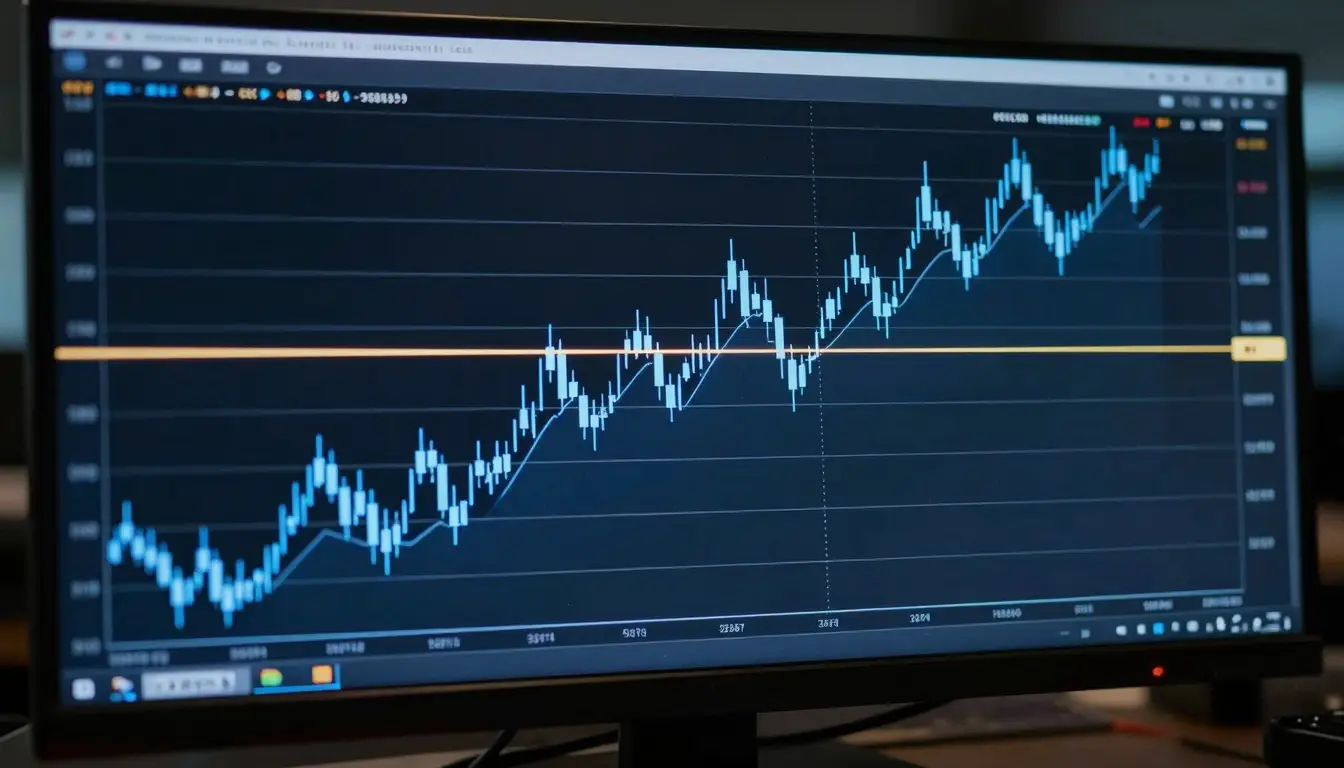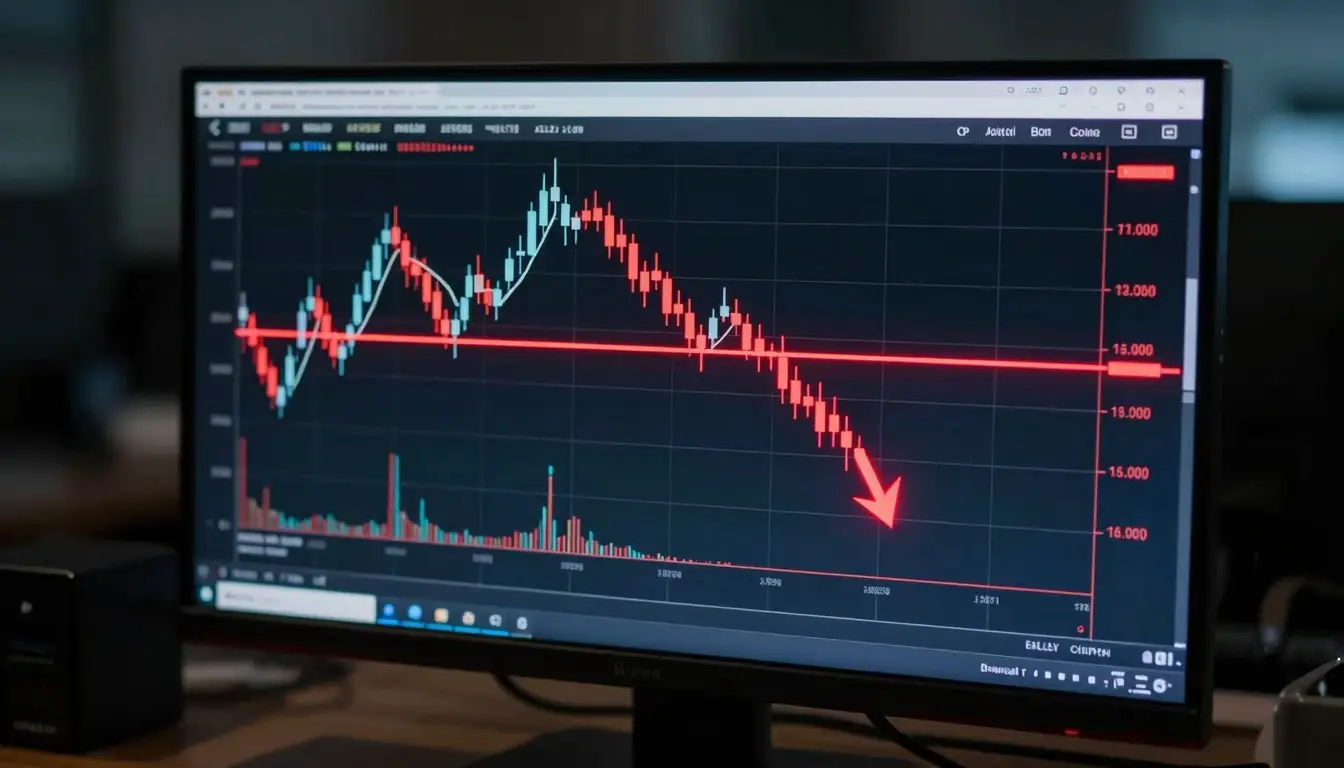
A bull trap is a false signal where the price of an asset appears to break above a resistance level, luring buyers into going long, then reverses and falls, trapping those buyers in a losing position. The “trap” is the failed breakout: it looks like the start of a new move up, so traders buy, and then the price turns down and leaves them holding a losing trade. It is the mirror image of a bear trap, where a false break below support catches out sellers. Recognising bull traps helps you avoid buying into breakouts that do not hold.
Key points:
- A bull trap is a failed upside breakout: the price pushes above resistance, then reverses lower.
- It traps traders who bought the breakout, who now sit on losses as the price falls.
- Weak volume on the breakout and a quick move back below the level are common warning signs.
- Waiting for a confirmed close above resistance and using a stop-loss are the main defences.
What is a bull trap?
Resistance is a price level where selling has repeatedly stopped a rise. When the price finally pushes above it, many traders read that as a bullish breakout and buy, expecting the move to continue. A bull trap is what happens when that breakout is false: the price nudges above the level just far enough to trigger buying and stop orders, then loses momentum and drops back below resistance. The traders who bought the breakout are now “trapped” in longs at a bad price, and their stop-losses triggering on the way down can add fuel to the fall. The pattern is common around widely watched levels precisely because so many traders are waiting to buy the break.
Why do bull traps happen?
Bull traps form for a mix of psychological and mechanical reasons. Around an obvious resistance level, a lot of buy orders and breakout stops cluster just above, so a small push through can set off a burst of buying that briefly lifts the price. If there is no genuine demand behind the move, that buying quickly exhausts itself. Larger participants sometimes take advantage, selling into the spike created by breakout buyers. The result is a sharp poke above the level followed by an equally sharp reversal. Traps are more likely when the wider trend is actually down or sideways, and the “breakout” is really just noise against a market that has no real appetite to go higher.
How can you spot and avoid a bull trap?
You cannot avoid every trap, but a few habits tilt the odds in your favour:
- Wait for a confirmed close. Rather than buying the instant the price ticks above resistance, wait for a full candle to close clearly above it, ideally on the daily chart. Many traps are exposed within the same session.
- Check the volume. A real breakout usually comes with rising volume showing conviction. A break on thin volume is a warning that the move may not hold.
- Respect the wider trend. A breakout that goes against a clear downtrend is more suspect than one that continues an established uptrend.
- Always use a stop-loss. If you do trade a breakout, place a stop-loss just back below the level so a failed break costs you little rather than a lot.
The pull to chase a breakout is emotional, the fear of missing a big move, which is exactly what a bull trap preys on. Managing that impulse is part of the skill, and it is covered in more depth in our guide to trading psychology.
Related reading
- Stop-loss orders: where to place them and the trade-offs involved
- Trading psychology: how fear and greed affect decisions
- Risk-reward ratios: what they mean and how to use them
Frequently asked questions
What is the difference between a bull trap and a bear trap?
A bull trap is a false breakout to the upside: the price rises above resistance, catches buyers, then falls. A bear trap is the opposite, a false breakdown below support that catches sellers before the price rises again. Both are failed breakouts that trap traders who acted on the initial move. The defences are the same for each: wait for confirmation, check volume, and use a stop-loss.
How do you confirm a breakout is real?
No confirmation is perfect, but the stronger signs are a decisive candle close beyond the level rather than a brief spike, rising volume on the break, and a move that fits the wider trend. Some traders also wait for the price to retest the broken level and hold above it before entering. These steps cost you a slightly worse entry price in exchange for filtering out many false breakouts, which is usually a trade worth making.
Are bull traps more common in any particular market?
Bull traps appear in every market, from shares and forex to commodities and crypto, wherever traders watch clear levels. They tend to be more frequent and more violent in highly volatile, thinly traded, or sentiment-driven markets, where a small burst of buying can push the price through a level without real demand behind it. In calmer, deeper markets breakouts are somewhat more reliable, though no market is immune.
This article is educational and not financial advice. Trading carries risk and most retail accounts lose money. VLT Markets is a publisher, not a broker.