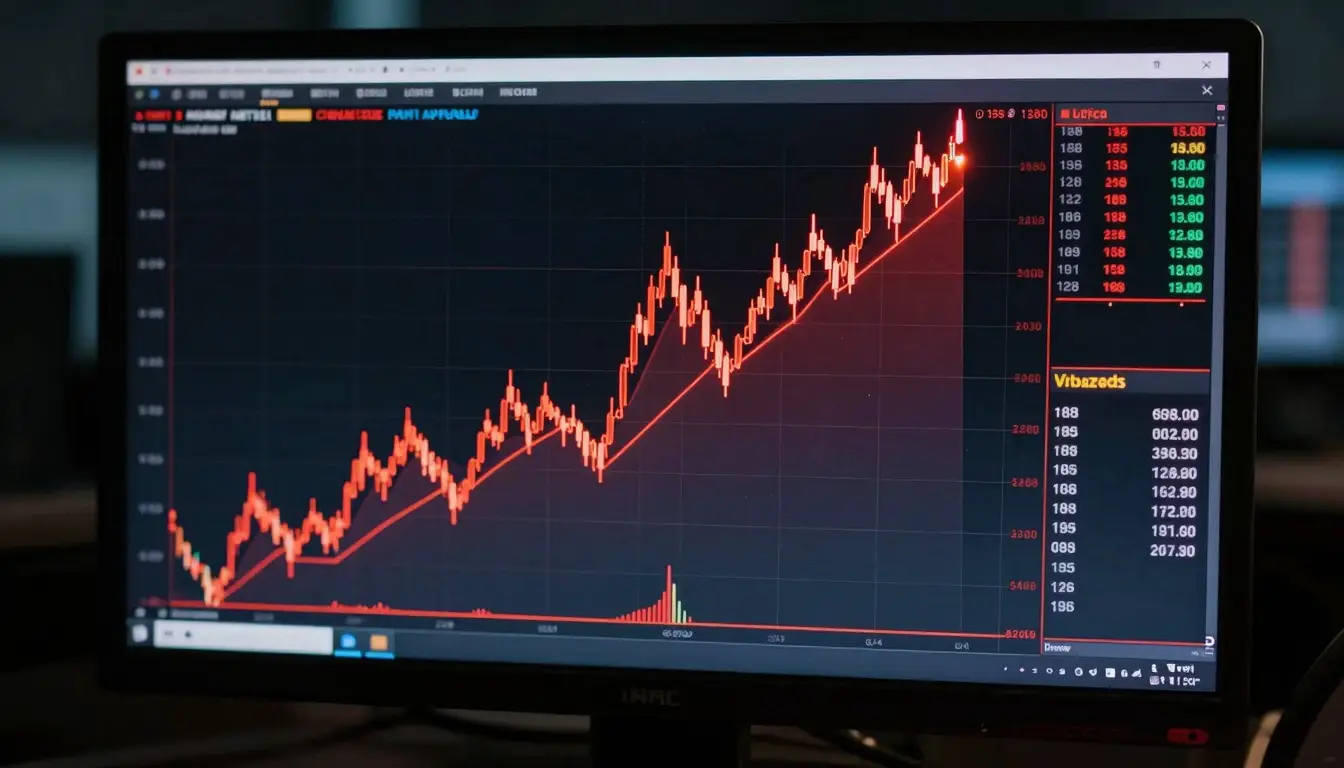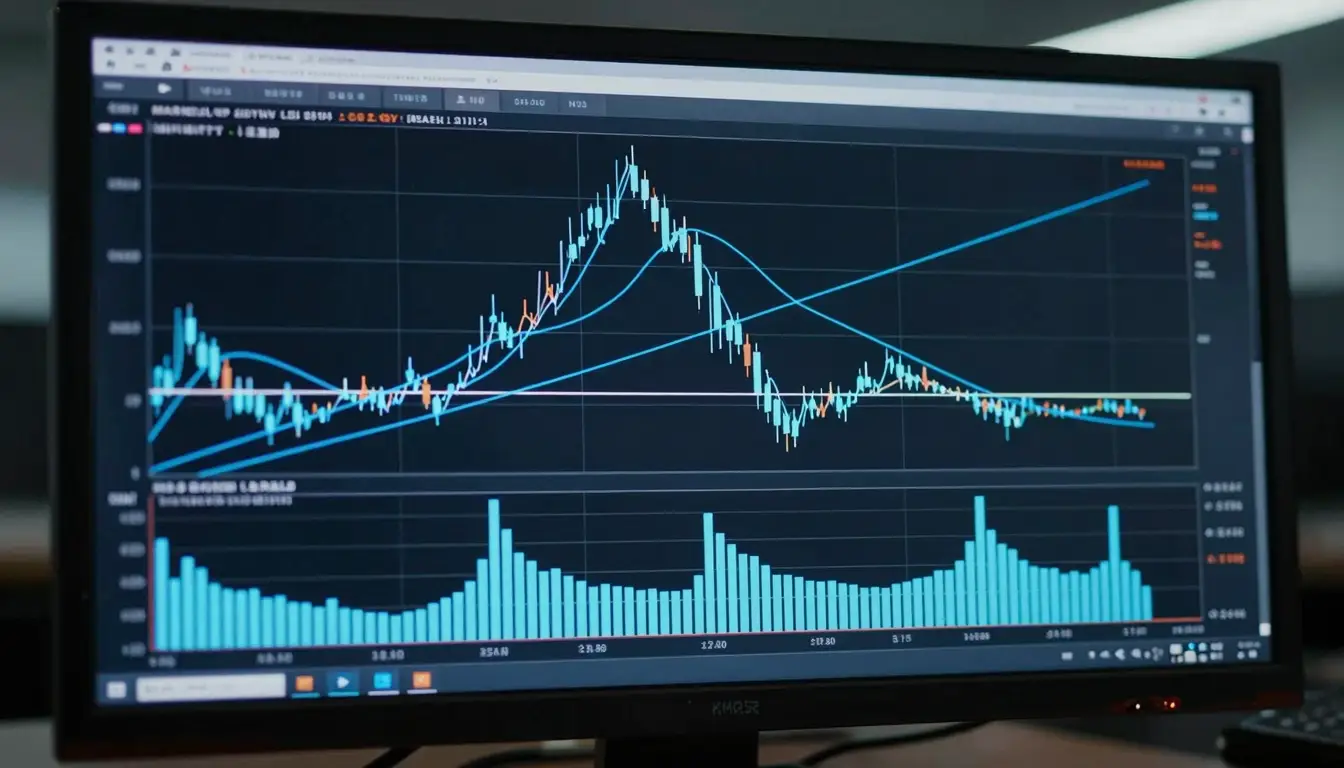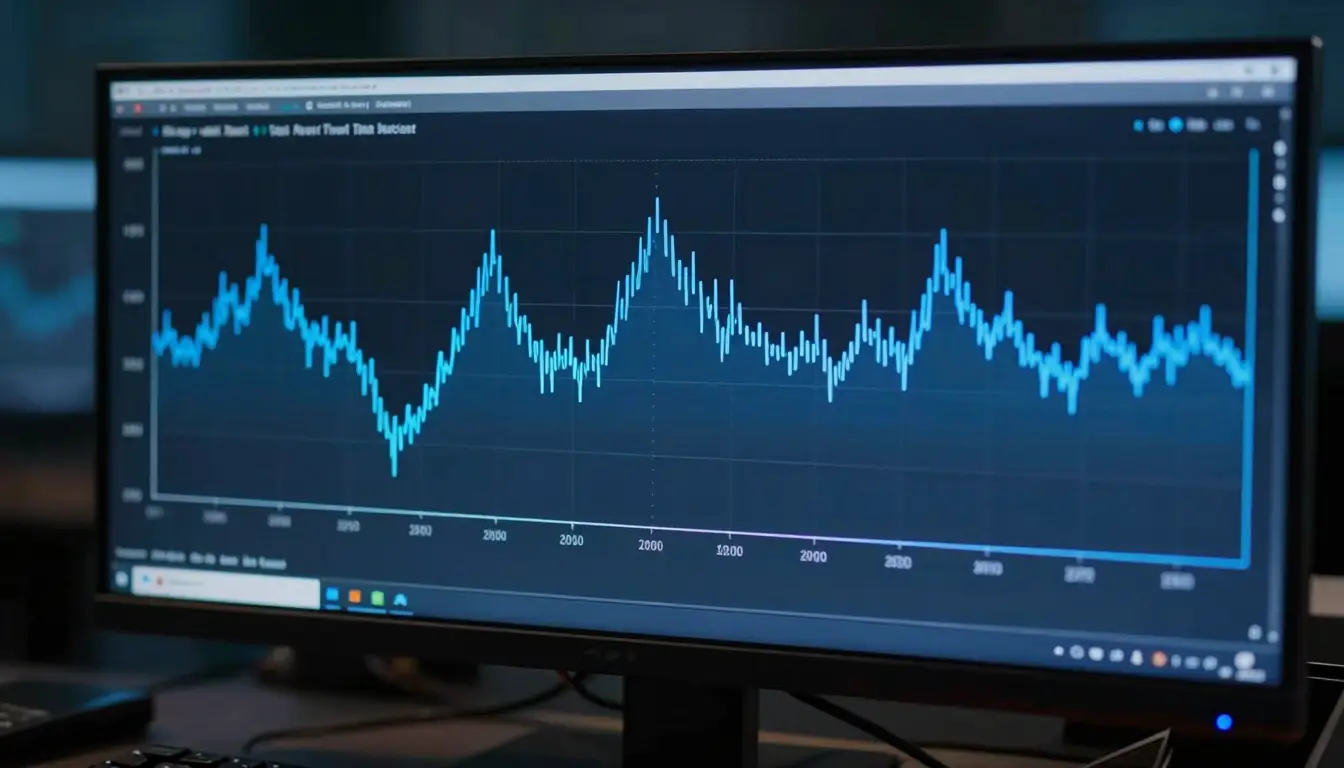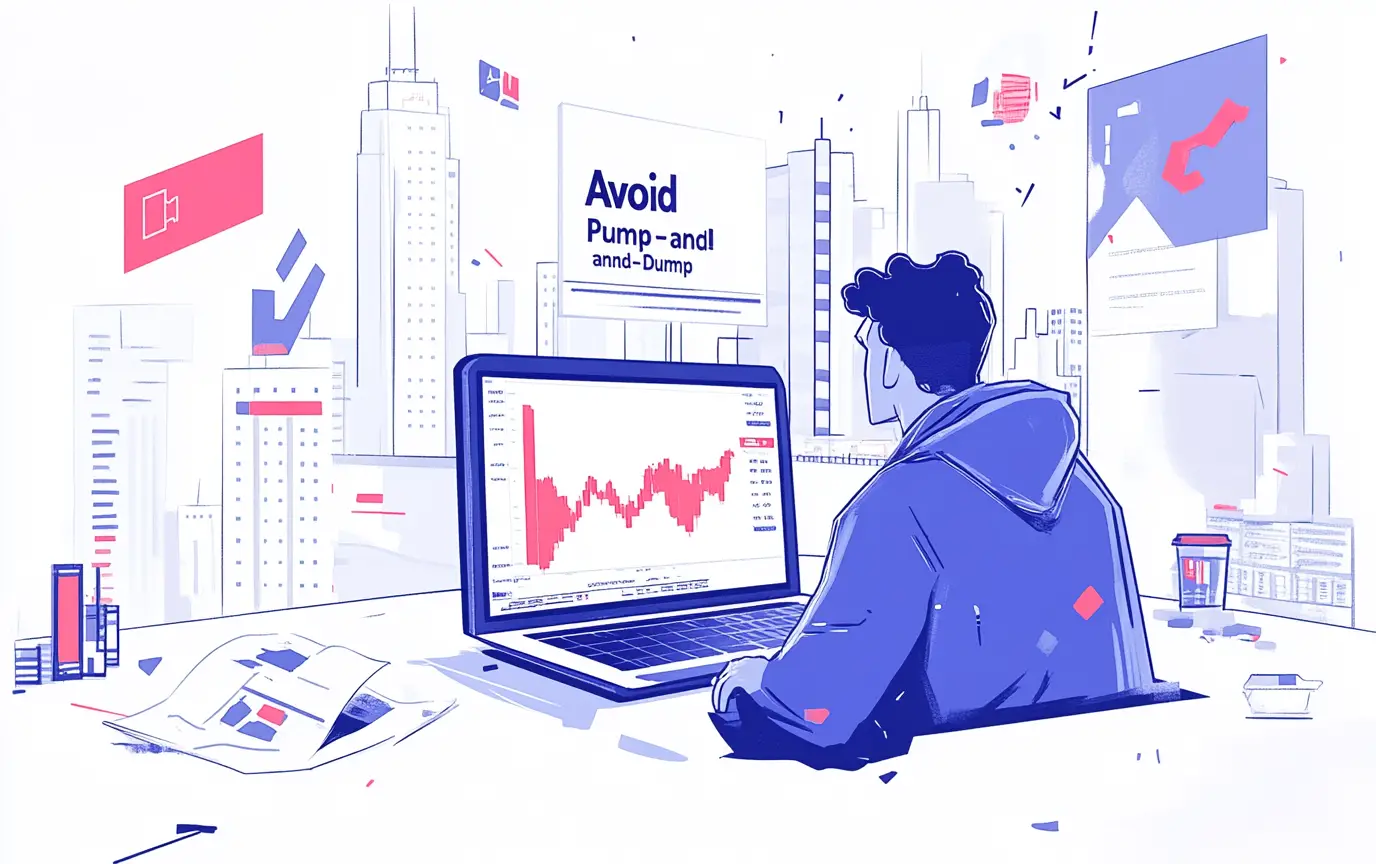
Pump-and-dump schemes are the most common form of crypto market manipulation, and the most predictable. A coordinated group acquires a low-liquidity token, promotes it aggressively through social channels, attracts retail buyers chasing the price move, then sells their holdings into the buying pressure. The retail buyers hold a rapidly depreciating asset. In 2026, this pattern operates through Telegram pump groups, influencer promotions, and increasingly through AI-generated social media campaigns. The mechanics are unchanged from the penny stock pump-and-dumps of the 1990s; the tools have modernized. Recognizing the pattern protects your capital.
How do pump-and-dump schemes work in crypto?
The standard crypto pump-and-dump follows a consistent playbook:
- Target selection: Organizers select a low-market-cap token with low liquidity, easier to move price with less capital. New tokens with minimal exchange listings, thin order books, and small float are ideal targets.
- Accumulation: Organizers quietly buy their position before promoting. On-chain, this shows as steady buy pressure with minimal price impact, thin liquidity absorbs the buys gradually.
- Coordinated promotion: Telegram groups, Twitter/X posts, YouTube videos, and paid influencers simultaneously promote the token. Common narrative: “hidden gem,” “next 100x,” “major partnership announcement coming.”
- Retail FOMO: Price rises attract retail buyers chasing momentum. Volume spikes, price moves faster, generating more attention and more buyers.
- Distribution (dump): Organizers sell into the buying pressure, the price spike is their exit liquidity. Retail buyers are left holding a token returning to (or below) pre-pump prices.
How do you identify a pump-and-dump scheme?
- Sudden volume spike on a low-cap token: A token with $50K daily volume suddenly sees $5M in volume is a red flag. Organic adoption doesn’t usually look like a vertical volume spike.
- Social media coordination: Multiple accounts posting about the same token simultaneously, often with identical or near-identical language, indicates organized promotion. Check Twitter/X activity, 50 accounts posting within minutes of each other about an unknown token is suspicious.
- Vague or unverifiable claims: “Major partnership,” “exchange listing coming,” “influencer backing” without public verifiable documentation. Real partnerships are announced by both parties, not through anonymous Telegram channels.
- Concentrated wallet holdings: Check the token contract on a blockchain explorer (Etherscan, Solscan). If 5-10 wallets hold 60-80% of supply, those holders control the price. Viewing token holder concentration is a basic due diligence step most retail buyers skip.
- Anonymous team, no audit: Projects with anonymous teams, no smart contract audit, and recently created social media accounts present maximum manipulation risk.
Where do pump-and-dumps typically occur?
- Low-liquidity DEXs: Uniswap, Raydium, and PancakeSwap listings with $100K-$1M liquidity. No listing standards, anyone can create a pool. Easier to move price, harder for retail to exit during dumps.
- New chain launches: When a new blockchain or L2 launches, hundreds of new tokens appear simultaneously. The ecosystem is new, reputation is unestablished, and project quality is unknown, ideal conditions for scam projects.
- Memecoin supercycles: The 2024 memecoin cycle on Solana (using pump.fun launchpad) created conditions where thousands of new tokens launched daily, the vast majority were pump-and-dumps or rugs. Pump.fun generated $100M+ in fees while facilitating the launch infrastructure for most of these.
- Influencer promotions: Paid promotions without disclosure (violating FTC and SEC regulations) drive retail into tokens the influencer is being paid to promote. Kim Kardashian’s $1.26M SEC settlement for undisclosed crypto promotion is the high-profile example; hundreds of smaller cases exist.
Frequently Asked Questions
Is pump-and-dump illegal in crypto?
For tokens classified as securities, yes, pump-and-dump is illegal market manipulation under US securities law. The SEC has brought cases against crypto pump-and-dump operators, including charging 11 individuals in a 2022 case involving coordinated Twitter pump groups. For tokens classified as commodities, the CFTC has anti-manipulation jurisdiction. In practice, enforcement is selective, the SEC focuses on organized schemes with identifiable promoters, not individual traders buying into a pump. Most retail participants in pumps face no legal risk; the organizers who orchestrate and profit from them face the greatest exposure.
Can you profit from a crypto pump if you buy early?
Technically yes, but the risk/reward is unfavorable for most retail participants. The organizers know when they’ll dump; you don’t. You need to exit before them, which requires either timing luck or inside information about the dump schedule. Pump-and-dump participants who profit are often Telegram group insiders who buy before the public signal, buying after the signal is announced means you’re buying after insiders are already positioned. The math: early insiders profit systematically; later buyers (the retail FOMO buyers) are the exit liquidity. Even if you exit profitably, you’re contributing to a scheme that harms other participants.
What is a rug pull and how is it different from a pump-and-dump?
A rug pull is a developer-executed exit, the project team removes liquidity from a DEX pool or uses a hidden contract function to drain funds, leaving token holders with worthless tokens. Different from pump-and-dump: rug pulls involve the founding team stealing deposited liquidity or funds; pump-and-dumps involve external parties (not necessarily the project team) coordinating price manipulation. Overlap exists: some projects launch specifically to rug pull, involving both developer exit and coordinated promotion. Warning signs overlap: anonymous teams, unaudited contracts, concentrated liquidity, new projects with no track record. Both protections apply: verify audit status, check contract for owner-privileged functions, check wallet concentration.