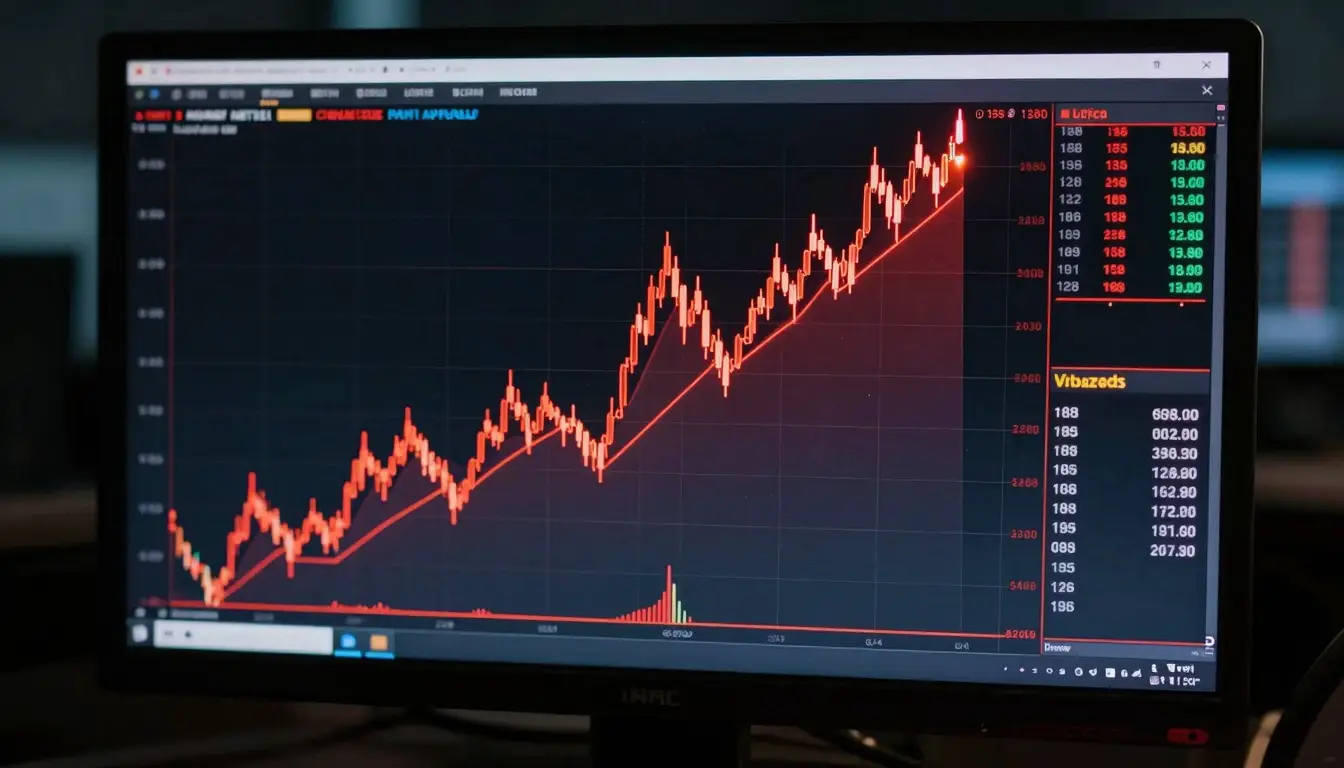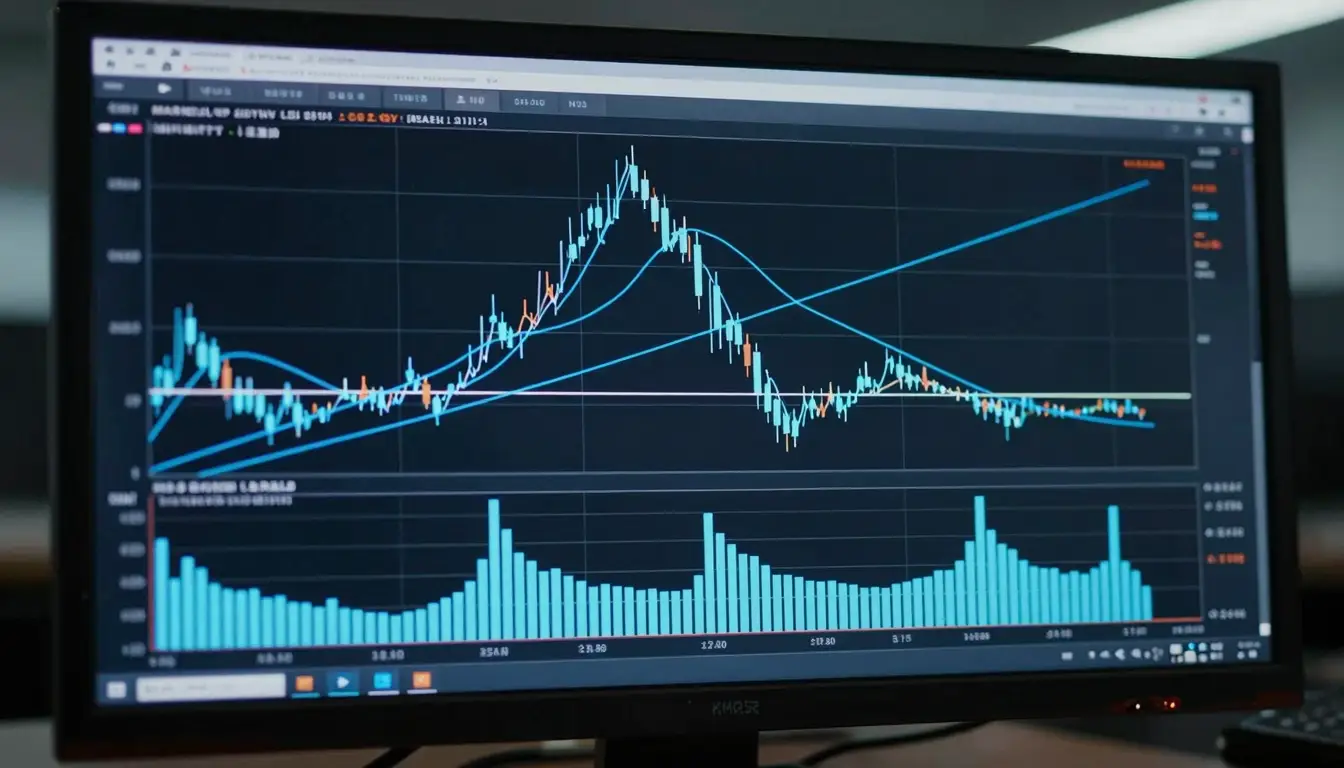
Bitcoin ETFs accumulated over $100 billion in assets under management within their first year of trading, the fastest AUM ramp of any ETF category in history. BlackRock’s IBIT alone surpassed $50B AUM faster than any ETF ever launched. This isn’t just an adoption milestone; it’s a structural change in how institutional capital reaches Bitcoin.
What happened with Bitcoin ETF inflows in 2025?
January 2025 opened strongly with nearly $5 billion in net inflows in the first month alone. BlackRock’s IBIT captured $3.2 billion of that, Fidelity’s FBTC $1.3 billion, and Grayscale’s Bitcoin Mini Trust around $400 million. The underlying driver: wirehouse financial advisors, who manage the largest pools of retail wealth in the US, began formally offering Bitcoin ETF allocations to clients after their compliance departments cleared the products in late 2024.
The Bitwise CIO projection of $50 billion in 2025 inflows proved conservative. By Q3 2025, total Bitcoin ETF AUM across US-listed products had crossed $100 billion, with IBIT alone holding over 585,000 BTC (roughly 2.8% of total supply). The headline figure matters because institutional portfolio allocation models typically target percentage-of-total-portfolio weights, once Bitcoin ETFs hit critical AUM mass, they appear in more model portfolios automatically.
How much Bitcoin do ETFs hold, and which funds are largest?
As of early 2025, US-listed Bitcoin ETFs collectively held approximately 1.175 million BTC valued at ~$116 billion, representing 5.6% of Bitcoin’s total supply. The concentration is significant:
- iShares Bitcoin Trust (IBIT): 585,397 BTC (~$58B), 2.79% of total supply
- Fidelity Wise Origin Bitcoin Fund (FBTC): 211,843 BTC (~$21B), 1.01% of total supply
- Grayscale Bitcoin Trust (GBTC): 201,056 BTC (~$20B), 0.96% of total supply
- ARK 21Shares Bitcoin ETF (ARKB): 51,253 BTC (~$5.1B)
- Bitwise Bitcoin ETF (BITB): 41,489 BTC (~$4.1B)
- VanEck Bitcoin Trust (HODL): 14,367 BTC (~$1.4B)
GBTC’s trajectory differs from the others, it converted from a closed-end trust to an ETF in January 2024 and has seen consistent outflows since conversion as investors switched to cheaper alternatives (IBIT charges 0.25% vs. GBTC’s 1.5% fee). IBIT and FBTC have been the primary net flow beneficiaries.
Why are institutional investors driving Bitcoin ETF flows?
Bitcoin ETFs removed the three main institutional barriers to BTC exposure: custody complexity, regulatory status, and fiduciary cover. Holding spot Bitcoin requires custodian arrangements, cold storage decisions, and internal policy approvals that most asset managers weren’t equipped to handle. An ETF sits in the same brokerage account infrastructure as any equity, requires no new custodian approval, and can be included in model portfolios through existing systems.
The progression of institutional involvement follows a predictable pattern:
- Hedge funds were first, SEC filings show dozens of hedge funds holding IBIT and FBTC as Q1 2024 positions.
- RIAs (Registered Investment Advisers) began adding 1–3% Bitcoin ETF allocations to client portfolios through 2024.
- Wirehouses (Merrill Lynch, Morgan Stanley, Wells Fargo, UBS) began formal client offering approvals in late 2024, opening the largest retail wealth pool to Bitcoin exposure through advisors.
- Pension and endowment funds: Still early, but several state pension funds and university endowments disclosed small Bitcoin ETF positions by end of 2025.
Bitcoin ETF vs. buying Bitcoin directly: Which is better?
Depends on your priorities:
- ETF advantages: Tax-advantaged account eligibility (IRA, 401k), no custody responsibility, familiar brokerage interface, easier estate planning
- ETF disadvantages: Annual management fee (0.25–1.5%), no ability to use BTC in DeFi or on-chain, no self-custody (counterparty risk with custodian)
- Direct BTC advantages: No ongoing fees, self-custody option, ability to use in DeFi, no fund counterparty risk
- Direct BTC disadvantages: Custody complexity, not eligible for tax-advantaged accounts (without a Bitcoin IRA), harder for advisors to include in managed accounts
For most buy-and-hold investors using brokerage accounts, the ETF is the simpler path. For those who want to participate in DeFi, use Bitcoin as collateral, or prioritize self-sovereignty, direct BTC with self-custody remains preferable.
Do Bitcoin ETF inflows drive BTC price higher?
ETF buying creates real demand, custodians (Coinbase Custody holds for BlackRock’s IBIT) purchase actual BTC to back each share issued. Unlike futures ETFs, spot ETFs require buying the underlying asset, creating genuine buy pressure. However, the relationship isn’t linear or immediate:
- Large inflow periods generally correlate with price appreciation, but market structure, leveraged futures positioning, and macro factors complicate the relationship
- ETF outflow periods (like Q2 2024’s temporary slowdown) correlated with price softness but not crashes
- The supply pressure from GBTC outflows in early 2024 (Grayscale investors selling) partially offset fresh IBIT/FBTC inflows, net flow matters more than gross inflow
The longer-term structural argument: with 5.6%+ of Bitcoin supply now in ETF vehicles and growing, a sustained demand increase through these products requires on-market BTC purchases that reduce circulating supply available to other buyers.
Frequently Asked Questions
Which Bitcoin ETF has the most assets under management?
BlackRock’s iShares Bitcoin Trust (IBIT) is the largest by AUM, holding over 585,000 BTC (~$58 billion as of early 2025). It surpassed the $50B mark faster than any ETF in history, including BlackRock’s own gold ETF (IAU), which took over a decade to reach that level.
Can I hold Bitcoin ETF shares in an IRA or 401k?
Yes, this is one of the primary advantages of spot Bitcoin ETFs. IBIT, FBTC, and other spot ETFs are available in standard brokerage IRAs and Roth IRAs through most major custodians. Availability in 401k plans depends on the plan’s fund menu (employer-controlled), but self-directed IRAs at brokerages like Fidelity and Schwab can hold these ETFs with full tax-deferred or tax-free treatment.
Why is GBTC losing assets while other Bitcoin ETFs gain them?
GBTC charges a 1.5% annual management fee, six times higher than IBIT’s 0.25%. When GBTC converted from a closed-end trust to a spot ETF in January 2024, investors who had been locked in could finally sell and rotate to cheaper alternatives. Many did. Grayscale has introduced the lower-cost Bitcoin Mini Trust (BTC) as a response, but GBTC continues to see outflows as the cost difference remains substantial.