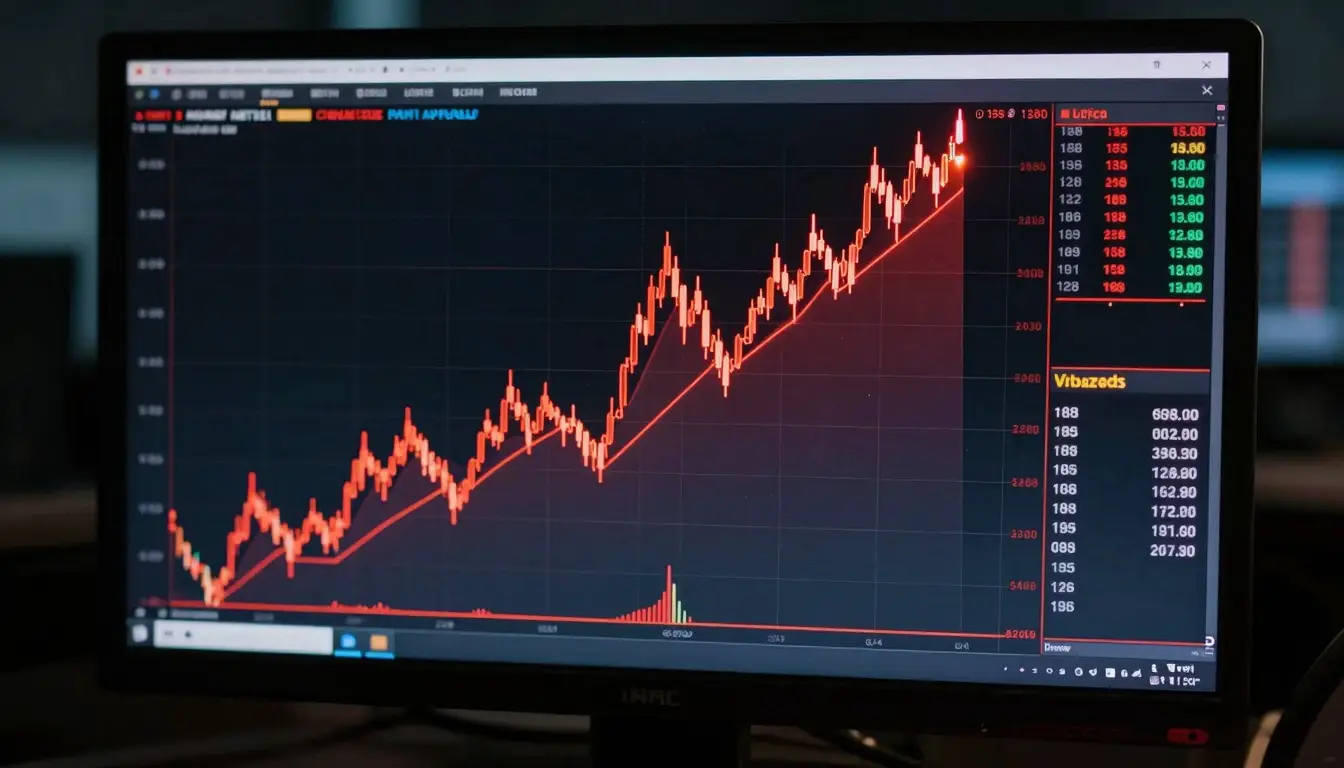
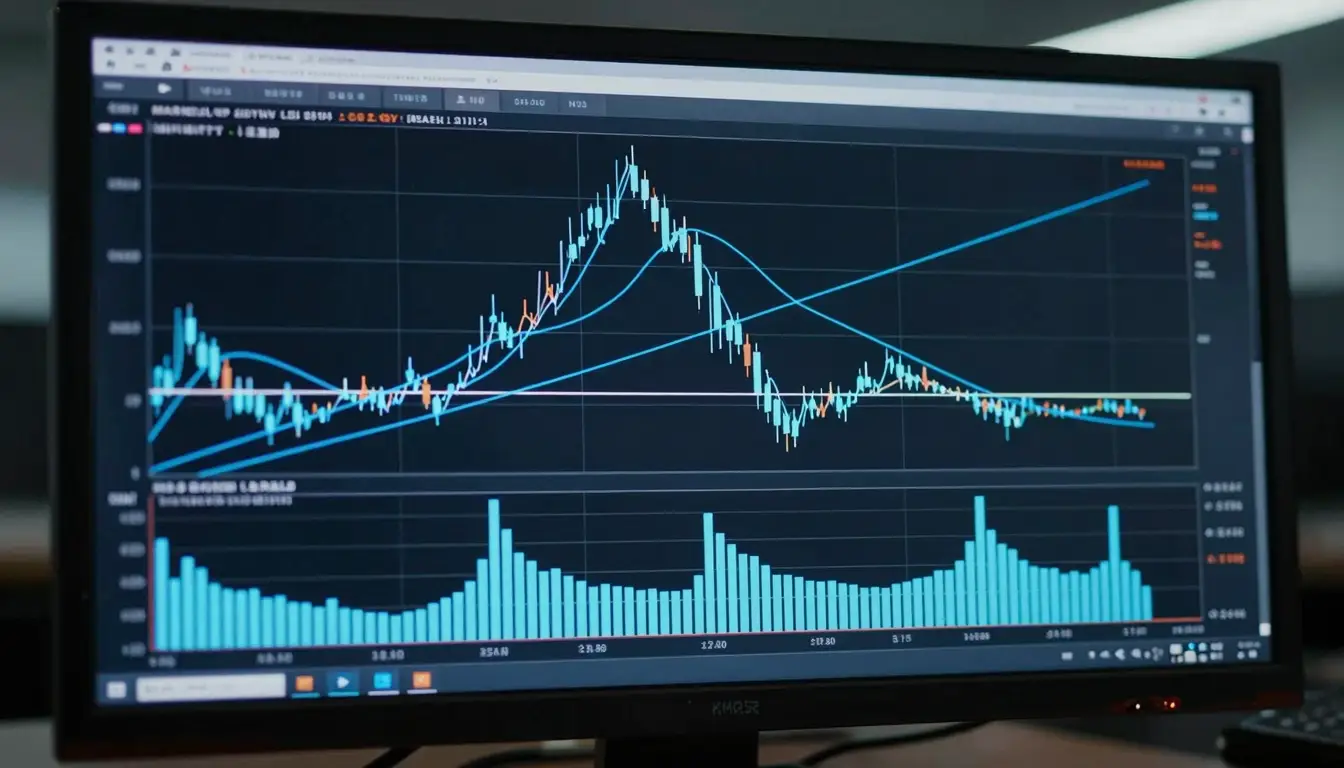
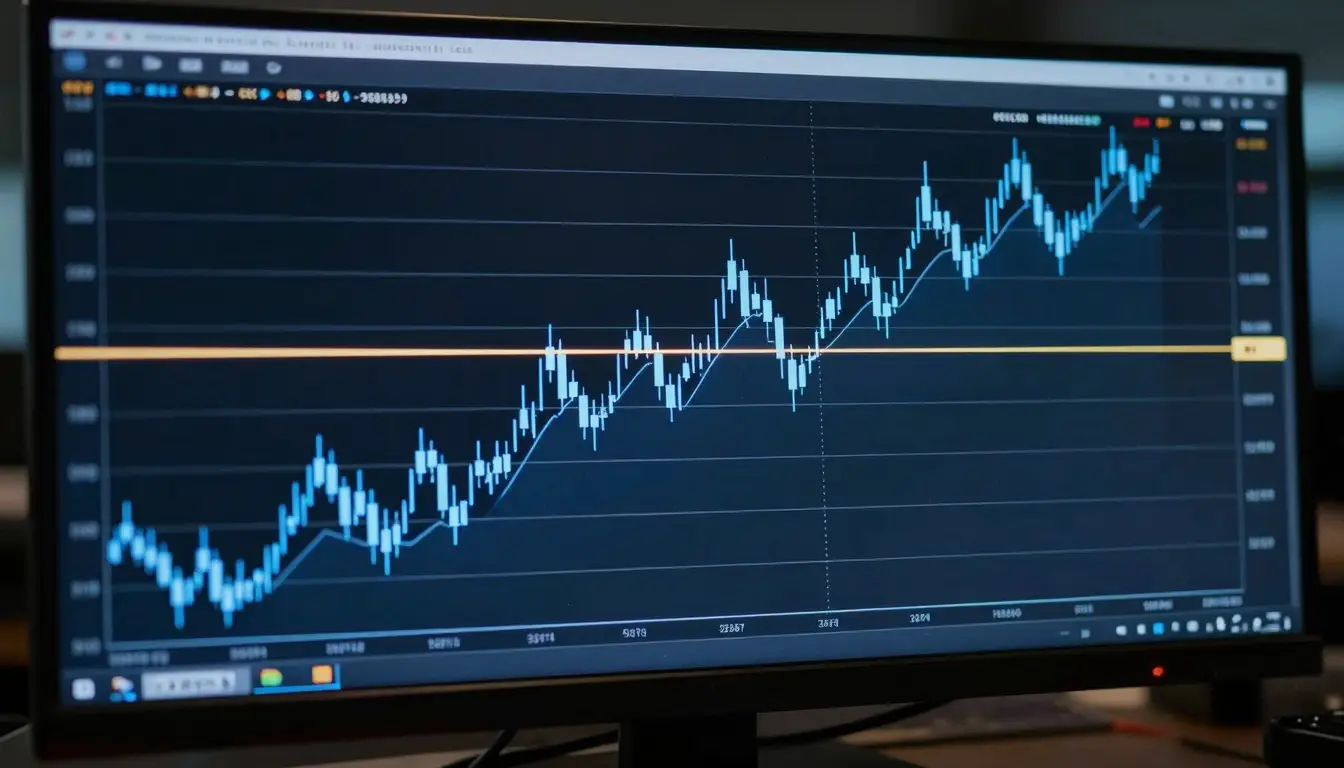
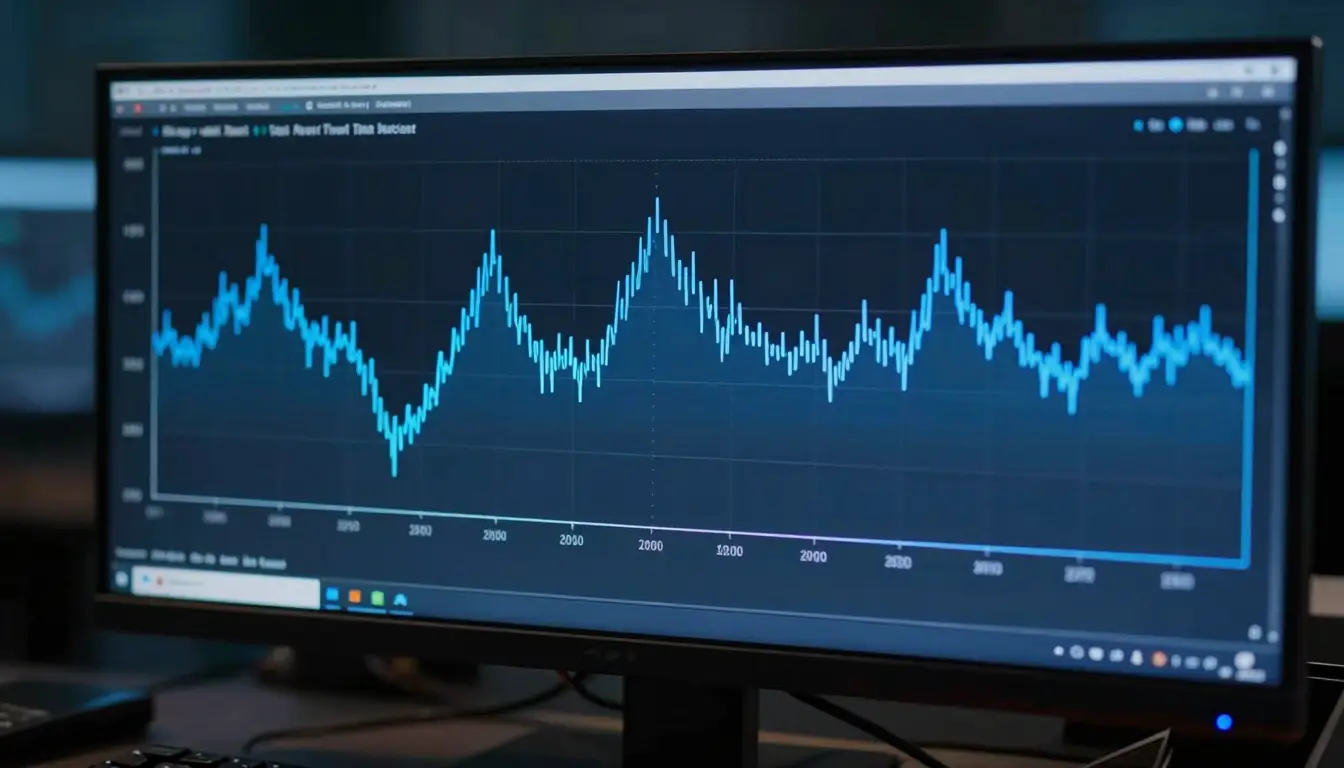
Chart patterns in crypto trading represent recurrent formations that suggest probable future price behavior based on the market psychology that created the pattern. Head and shoulders signals distribution; ascending triangles signal bullish continuation; cup and handle patterns in Bitcoin have preceded significant bull runs. These patterns are useful not because they predict with certainty, but because they define tradeable setups with clear entry levels, stop-loss placement, and price targets, the structure that converts pattern recognition into executable risk management. Here’s how the most reliable patterns work in crypto markets specifically.
What are the most reliable trend continuation chart patterns in crypto?
- Ascending triangle: Flat resistance with rising lows, buyers become more aggressive (higher lows) while supply at resistance remains consistent. Breakout above resistance targets a move equal to the height of the triangle. Reliability increases with more touches of resistance and the rising trendline. Volume should expand on the breakout.
- Bull flag: Sharp upward move (flagpole), followed by a tight, sideways or slightly downward consolidation (flag). Breakout from the flag targets a move equal to the flagpole. Common after major news events in crypto, the initial spike, brief consolidation, then continuation.
- Cup and handle: A U-shaped recovery from a previous high (cup), followed by a smaller pullback (handle) before a breakout above cup resistance. The handle should decline on low volume; breakout should occur on high volume. Bitcoin’s 2020 recovery from its March COVID crash formed a textbook cup-and-handle before its 2020-2021 bull run.
- Symmetrical triangle: Converging trendlines with lower highs and higher lows, price compressing into an apex. Can break in either direction; the direction of the prior trend typically continues, but confirmation requires a decisive breakout with volume. Common during Bitcoin accumulation phases.
What are the most reliable reversal chart patterns?
- Head and shoulders: Three peaks where the middle (head) is the highest; the two shoulders are lower and roughly equal. The neckline connects the two troughs between peaks. A break below the neckline targets a move equal to the height from the neckline to the head. Bitcoin’s 2021 peak formed a head-and-shoulders pattern visible on daily charts; the neckline break at ~$58,000 preceded the decline to $30,000.
- Double top/bottom: Two approximately equal highs (double top) or lows (double bottom) with a swing in between. Double tops signal reversal from uptrend; double bottoms signal reversal from downtrend. Break below the swing low (for double tops) or above the swing high (for double bottoms) confirms the pattern. Very common in crypto, major support and resistance levels are frequently retested before reversal.
- Rising/falling wedge: Converging trendlines both sloping in the same direction. Rising wedges in uptrends signal potential reversal, price rises but on diminishing volume and momentum. Falling wedges in downtrends signal potential reversal, price falls but selling pressure diminishes.
Why does volume matter for chart pattern confirmation?
Volume is the conviction signal behind price patterns. A breakout above ascending triangle resistance on 5x average volume is significantly more reliable than the same breakout on below-average volume. Key volume principles for crypto patterns:
- Breakouts should occur on expanding volume, confirms participation and reduces false breakout probability
- Pullbacks within consolidation patterns (flag formation, triangle building) should occur on declining volume, confirms weak selling, not distribution
- High volume at support levels suggests strong buying; low volume bounces from support are weaker
- Volume analysis is harder on DEXs, use on-chain data (DEX trade volume) rather than aggregated CEX volumes which can include wash trading
Frequently Asked Questions
Do chart patterns work in crypto?
Chart patterns work in crypto as probabilistic frameworks, they define setups with higher-than-random probability of specific outcomes, not certainties. They work partly because enough traders watch the same patterns that they become self-fulfilling to a degree: when thousands of traders set buy orders at a confirmed cup-and-handle breakout, the buying itself creates the breakout continuation. False breakouts and failed patterns are common in crypto, particularly in altcoins with thin liquidity where large players can manipulate price through pattern levels. Bitcoin and Ethereum chart patterns on daily timeframes are the most reliable because of deeper liquidity and more genuine price discovery.
What is the most reliable chart pattern in crypto?
Head and shoulders (for topping patterns) and cup and handle (for bullish continuation) have the strongest empirical backing in crypto markets. Both have well-defined entry signals (neckline break for H&S; handle breakout for C&H), measurable price targets (pattern height), and clear invalidation levels. They also have sufficient complexity, three peaks for H&S, extended U formation for C&H, that they’re less prone to the noise that affects simpler patterns like double tops. Neither pattern is reliable without volume confirmation; a head-and-shoulders breakdown on weak volume has much higher false-signal rate.
How do you trade a head-and-shoulders pattern?
Entry: enter short (or exit long) on a confirmed break below the neckline, ideally on high volume. Confirmation requires the close of a candle below the neckline, not just an intraday pierce. Stop-loss: place above the right shoulder (the pattern is invalidated if price recovers above the right shoulder). Target: measure the height from the neckline to the head; project that distance downward from the neckline break point. For Bitcoin’s 2021 head-and-shoulders with a head at $69K and neckline at $58K: target was approximately $47K below the neckline ($58K minus $11K = $47K). Actual decline went much further, targets are minimums, not maximums.