Digital assets demystified: tokenizing value in the modern economy
Introduction
In today’s rapidly evolving digital landscape, digital assets and tokenisation are revolutionising our understanding of value, ownership, and financial transactions. This post explores what digital assets are, the process of tokenising them, their benefits, real-world applications, and the challenges ahead.
What are digital assets?
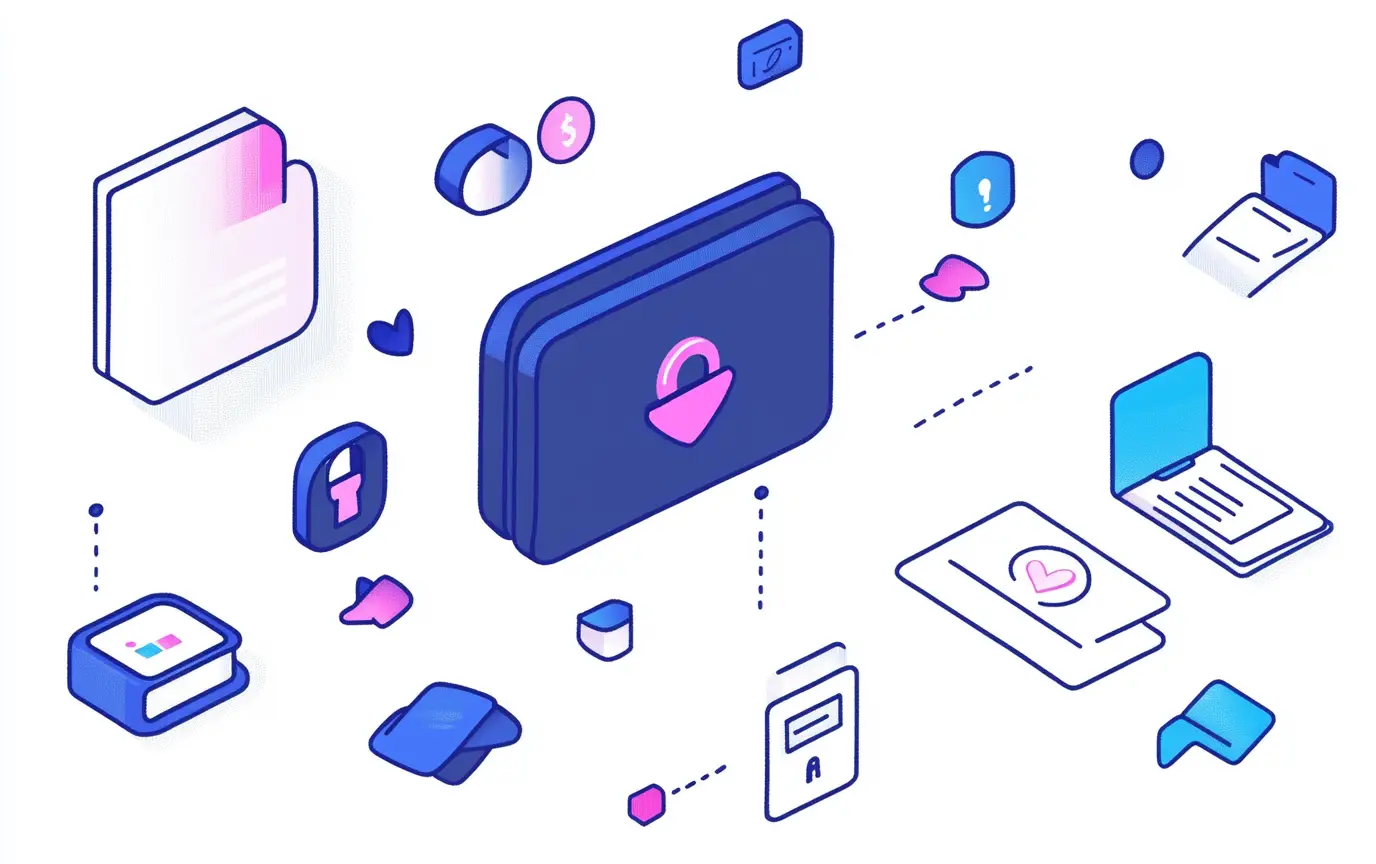
Digital assets are entities that exist solely in digital form, carry value, establish ownership, and are discoverable. They range from everyday documents and media content to advanced blockchain-based assets like cryptocurrencies and non-fungible tokens (NFTs). In essence, digital assets represent a shift from traditional notions of ownership to a new paradigm that redefines how we store, exchange, and invest in value.
Types of digital assets
The digital asset ecosystem is diverse and continually expanding. Key types include:
- Documents and files:
Examples: Word documents, spreadsheets, presentations, and emails.
Role: Fundamental to digital communication and archival. - Media content:
Examples: photos, videos, audio files, and animations.
Role: Capture moments, tell stories, and express emotions. - Software and applications:
Examples: Programs, apps, and software solutions.
Role: Essential for productivity, creativity, and entertainment. - Blockchain-based assets:
Examples: cryptocurrencies (Bitcoin, Ethereum), NFTs, security tokens, and central bank digital currencies.
Role: Operate on decentralised networks, enabling new forms of financial transactions. - Digital art and collectibles:
Examples: NFTs representing digital art, virtual real estate, and collectibles.
Role: Blend technology with creativity, offering unique ownership experiences. - Financial assets:
Examples: tokenised stocks, bonds, and mutual funds.
Role: Bridge traditional finance with innovation, opening novel investment avenues.
Digital assets break physical boundaries and open up an economy filled with endless possibilities, challenging established financial landscapes.
The tokenisation of assets
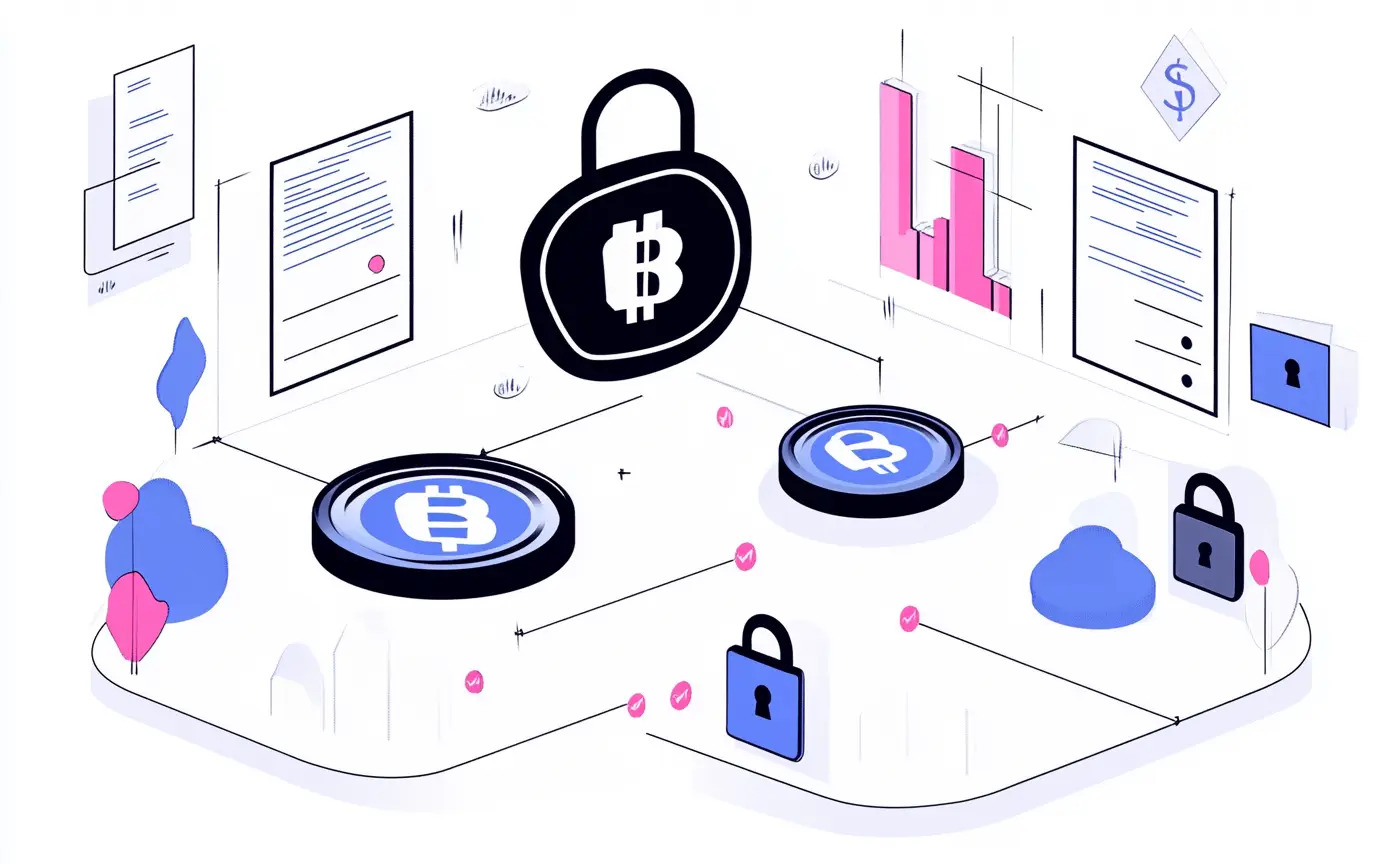
Tokenisation is the transformative process that converts real-world assets into digital tokens on a blockchain. It democratises access to assets that were once locked behind complex and exclusive systems. Here’s a step-by-step breakdown of how tokenisation works:
- Asset selection:
The journey begins with selecting a tangible or intangible asset for tokenisation. For example, a gold bar stored in a vault can be divided into smaller, tradeable units, making it accessible to everyday investors who previously could not participate in such markets. - Digital representation:
Once selected, the asset is digitally represented by dividing it into fractions and assigning a digital token to each part. Think of it as slicing a delicious cake into portions, where each slice represents a share of the whole asset. This step directly connects the physical asset and its digital counterpart. - Blockchain deployment:
Finally, these tokens are minted on a blockchain. This step ensures transparency, security, and traceability. Each transaction is recorded on an immutable ledger—much like threads woven together to create a fabric of trust and reliability. Blockchain technology is central to maintaining the integrity of the tokenised asset system.
Benefits of tokenisation
Tokenisation offers several significant benefits that are reshaping the way we interact with financial assets:
- Increased liquidity:
Tokenised assets can be easily traded on secondary markets, transforming traditionally illiquid assets (like real estate) into more fluid investments. - Transparency and security:
Blockchain’s immutable ledger ensures that all transactions are recorded transparently and securely, reducing the risk of fraud. - Efficiency and cost savings:
Automated transactions through smart contracts reduce administrative tasks and lower transaction fees, streamlining the entire process. - Decentralisation:
With no single entity controlling the ledger, tokenisation fosters a collaborative environment where ownership is shared, reducing central risks.
Real-world applications of tokenisation
Tokenisation is already making significant inroads across various industries:
- Financial markets:
Institutions such as the World Bank and major financial services companies are embracing tokenised assets—including bonds, stocks, and even gold—to streamline operations and expand market access. - Investment and trading:
Tokenised mutual funds and ETFs allow investors to diversify their portfolios by accessing fractions of larger assets, previously available only to high-net-worth individuals. - Real estate and art:
Fractional ownership through tokenisation makes real estate and art more accessible. Imagine owning a share of a luxury property or a renowned piece of art—this innovation broadens the investment landscape. - Supply chain management:
Tokenising products can enhance traceability and transparency from the production line to delivery, ensuring consumer trust and reducing fraud.
Challenges and future outlook
While the promise of tokenisation is vast, several challenges remain:
- Regulatory uncertainty:
Governments worldwide are still crafting regulations for tokenised assets, creating an unpredictable environment for both investors and issuers. - Cybersecurity threats:
Digital tokens rely on the security of the platforms that host them. Robust cybersecurity measures are essential to protect against potential breaches. - Market volatility:
Like cryptocurrencies, tokenised assets can experience significant price swings, introducing risks that investors must consider.
Despite these hurdles, the future of tokenisation is promising. Experts predict that tokenised markets could surge to a value of $16 trillion by 2030, making it imperative for investors and industry stakeholders to stay informed and agile.
Broader implications of digital assets
Beyond the technology, digital assets are reshaping societal and economic structures:
- Changing ownership models:
The concept of fractional ownership is democratising access to art, real estate, and other valuable assets, enabling a broader audience to invest and participate. - Evolving regulatory frameworks:
Countries like Switzerland have taken proactive steps by providing clear guidelines that foster innovation, while others are still navigating fragmented or restrictive policies. - Technological integration:
Advances in blockchain, smart contracts, and decentralised finance (DeFi) are streamlining transactions, reducing costs, and opening up new opportunities for financial autonomy.
The importance of education
As digital assets gain traction, education becomes crucial. Here are a few approaches:
- Online courses and webinars:
Platforms like Coursera and Udemy offer comprehensive blockchain, cryptocurrency, and digital asset investment courses. - Community engagement:
Participating in forums on Reddit or Discord can help individuals stay updated and share insights about market trends and strategies. - Continuous learning:
Keeping abreast of regulatory changes, technological advancements, and market dynamics is key to making informed decisions in the evolving digital landscape.
Conclusion
Digital assets and tokenisation are not just technological trends—they represent a fundamental shift in how we perceive value and ownership. By breaking down barriers in traditional markets and offering new avenues for investment, these innovations are set to reshape various sectors of the economy.
As we navigate this exciting transformation, staying informed and adaptable is essential. The future of tokenisation promises increased liquidity, enhanced security, and broader access to valuable assets. Whether you are an investor, a tech enthusiast, or a business leader, understanding these concepts is key to thriving in the modern economy.
Want to know when and how to start trading? Subscribe to our Telegram channel or access the financial markets directly, risk-free, at Volity.
Embrace the future of digital assets and tokenisation today—and unlock a world of opportunity in the modern economy.