Crypto energy markets: The intersection of bitcoin mining and renewable energy
The crypto energy market is on the brink of a major transformation. An intriguing fusion of Bitcoin mining and renewable energy is reshaping this landscape, creating opportunities and challenges that are impossible to ignore. As we delve into this topic, we will explore the key aspects of this evolving sector, highlighting the implications of integrating two powerful forces: blockchain technology and sustainable energy.
The role of blockchain in energy markets
Blockchain technology is not merely a buzzword; it is revolutionising the energy sector. By enhancing transparency, security, and efficiency, it is redefining the way energy transactions are conducted. Imagine a world where energy trading is seamless and trust is inherent in every transaction. That world is becoming a reality, and blockchain is at the heart of this transformation.
Decentralized energy marketplaces
One of the most exciting developments in this field is the emergence of decentralised energy marketplaces. Here, individuals and businesses buy and sell energy directly. The efficiency of these platforms leads to a more resilient energy system. Picture this: a local solar farm generates excess energy, and instead of going to waste, that energy is sold directly to your neighbour. No middlemen, no inflated costs; just a straightforward exchange facilitated by blockchain.
Renewable energy certificates (RECs)
Blockchain’s transparent nature also plays a crucial role in the management of Renewable Energy Certificates (RECs). These certificates represent proof that energy has been generated from renewable sources, and they are essential for incentivising investments in green projects. The secure tracking and transfer of RECs through blockchain enhances their value and stimulates greater investment. This process not only increases trust among stakeholders but also encourages a more significant commitment to sustainable energy initiatives.
Microgrids and virtual power plants (VPPs)
Moreover, blockchain supports peer-to-peer energy trading within microgrids and virtual power plants (VPPs). These systems allow local energy producers to sell excess energy directly to consumers, reducing reliance on large, centralised power plants. Consider how this decentralised approach can mitigate the vulnerabilities of traditional power grids, offering communities a sense of autonomy and resilience. In times of crisis, these systems can operate independently, ensuring that essential services remain powered.
Bitcoin mining and renewable energy
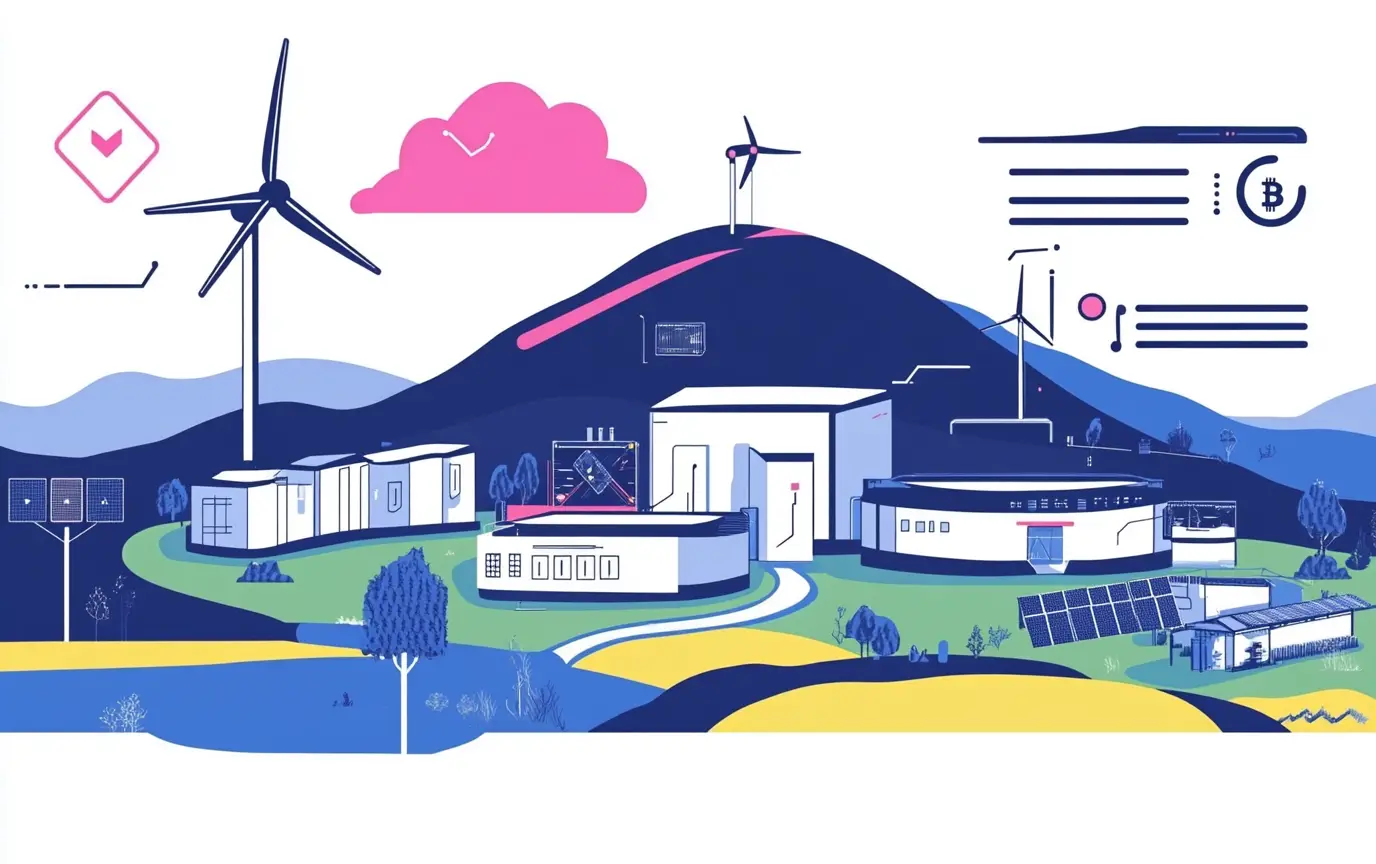
Contrary to popular belief, Bitcoin mining is increasingly adopting renewable energy sources to counteract its notorious reputation for high energy consumption. This shift is not merely a response to public pressure; it’s a savvy business decision that aligns economic interests with environmental responsibility.
Benefits of renewable energy in bitcoin mining
The integration of renewable energy in Bitcoin mining offers numerous benefits that cannot be overlooked.
- Cost efficiency: As technology progresses, renewable energy sources, such as solar, wind, and hydropower, are becoming more economically viable. For Bitcoin miners, this means lower operational costs. The allure of cutting expenses while operating sustainably creates an attractive proposition for many miners.
- Environmental sustainability: The environmental impact of Bitcoin mining has been a contentious issue. By harnessing renewable energy, miners can significantly reduce their carbon footprint. Imagine being a part of an industry that contributes to sustainability rather than detracts from it. This shift addresses a major criticism of the sector, and it resonates deeply with the growing awareness of climate change.
- Grid stability: Another advantage is the potential for Bitcoin mining operations to enhance grid stability. By adjusting their energy consumption based on grid demand, miners can help balance supply and demand. During periods of excess renewable energy production, mining operations can ramp up, utilising energy that might otherwise go to waste. This synergy has the potential to create a more stable and reliable grid.
Case studies
Several case studies illustrate the successful integration of renewable energy within Bitcoin mining operations.
- Texas, USA: In Texas, companies like Layer1 and Argo Blockchain have set up mining operations that leverage the state’s abundant wind and solar infrastructure. By doing so, they not only stabilise the grid but also benefit from the cost-effectiveness of renewable energy. The result is a win-win: lower operational costs for miners and a more stable energy grid for the state.
- Iceland and Canada: Both regions are shining examples of how renewable energy can power Bitcoin mining. Iceland capitalises on its geothermal energy resources, while Canada utilises its vast hydroelectric capabilities. In these places, miners enjoy low energy costs, and communities benefit from enhanced grid reliability.
How bitcoin mining enhances grid reliability
The integration of Bitcoin mining into the energy ecosystem does more than just create a revenue stream for miners; it enhances the overall reliability of the grid.
Load balancing
When demand is low, Bitcoin mining operations can consume excess renewable energy. This load balancing ensures that energy generated from renewable sources is effectively utilised, rather than being wasted. Imagine a time when energy scarcity is no longer a pressing concern because Bitcoin miners can step in to absorb surplus energy. This flexibility offers immense benefits to grid operators and creates a more resilient energy landscape.
Flexibility in energy consumption
Another vital aspect is the flexibility in energy consumption that Bitcoin mining provides. During peak demand periods, miners can reduce their energy use, easing the strain on the grid. This responsiveness not only benefits the miners but also enhances the overall reliability of energy distribution. Picture a situation where energy providers can rely on Bitcoin miners to adjust their consumption based on real-time data. This cooperation could lead to unprecedented levels of grid stability.
Market dynamics and growth
As we examine the market dynamics, it becomes evident that the blockchain in the energy market is poised for significant growth. Projections indicate that it will expand from USD 3.1 billion in 2024 to approximately USD 103.4 billion by 2034, boasting a compound annual growth rate (CAGR) of 43.7%.
Key drivers
Several key drivers are propelling this growth:
- Efficiency and cost reduction: Blockchain’s ability to eliminate intermediaries leads to reduced costs and improved transaction speed. For energy providers and consumers alike, this efficiency translates into tangible benefits.
- Transparency and trust: By providing immutable transaction records, blockchain ensures accurate energy data and fair billing. Stakeholders can trust that the information they receive is genuine, creating an environment of confidence that is essential for market growth.
- Decentralisation: The ability to facilitate peer-to-peer energy trading makes energy markets more resilient. Communities can engage in energy transactions without relying on large corporations, fostering a sense of empowerment and agency.
- Integration of renewable energy: The tracking and verification of renewable energy transactions align with sustainability goals. As more consumers demand green energy options, blockchain’s role in ensuring transparency will become increasingly crucial.
Challenges and opportunities
While the potential for growth is undeniable, several challenges must be addressed to unlock the full potential of the crypto energy market.
Challenges
- Scalability: Traditional blockchains may struggle with the high transaction volumes required for large-scale energy systems. Solutions must be devised to ensure that these systems can handle the demands of a rapidly evolving market.
- Energy consumption: Ironically, the high energy consumption of blockchain networks, particularly those using proof-of-work mechanisms, raises sustainability concerns. Finding a balance between energy use and environmental impact remains a pressing challenge.
- Regulatory issues: The decentralised nature of blockchain can conflict with existing regulatory frameworks. Policymakers will need to adapt to this new reality, fostering an environment conducive to innovation while ensuring consumer protection.
- Technology adoption: Significant infrastructure changes and investment are needed for energy companies to embrace blockchain. The transition may be slow, but the potential rewards are worth the effort.
- Cybersecurity risks: Like any technology, blockchain networks are vulnerable to cyberattacks. Robust security protocols must be developed to safeguard against potential threats.
Opportunities
Despite the challenges, a wealth of opportunities exists:
- Decentralised energy trading: Blockchain enables competitive and efficient energy markets through peer-to-peer exchanges, allowing consumers to source energy directly from local producers.
- Grid management and automation: Smart contracts can optimise energy distribution and balance supply and demand in real-time. This automation has the potential to revolutionise how we manage our energy resources.
- Energy data and provenance tracking: Blockchain ensures secure, transparent tracking of energy production and consumption, creating a trustworthy foundation for energy markets.
- Cross-border energy trading: Simplifying international energy trading reduces reliance on intermediaries, resulting in faster transactions and potentially lower costs.
Regional analysis and key players
To understand the broader landscape, let’s examine the regions leading the charge in blockchain adoption for energy markets.
Dominant regions
- North America: With its early adoption, substantial investment in R&D, and supportive regulatory frameworks, North America stands at the forefront of blockchain integration in energy.
- Europe: The continent benefits from strong regulatory support and initiatives aimed at improving energy efficiency and integrating renewable sources. The commitment to sustainability is palpable across various nations.
- Asia-Pacific: Rapid growth in this region is driven by increasing energy demand and the emergence of blockchain-based platforms seeking to address these needs.
Key players
Several companies are at the forefront of this transformation, shaping the future of energy markets.
- Power Ledger: Renowned for its blockchain-based peer-to-peer energy trading platform, Power Ledger is paving the way for decentralised energy markets.
- WePower: This company focuses on renewable energy trading and financing using blockchain solutions, streamlining the process for both producers and consumers.
- LO3 Energy: By developing blockchain solutions for decentralised energy markets, LO3 Energy is driving innovation in energy trading.
- IBM and WElink Energy: Their collaboration resulted in a blockchain solution for tracking wind farm power generation, showcasing the potential of technology to enhance operational efficiency.
As we navigate the complexities of the crypto energy market, it becomes clear that the intersection of Bitcoin mining and renewable energy presents both challenges and opportunities. The path forward offers a glimpse into a future where energy is not only abundant but also sustainable and efficient.
Future trends in the crypto energy market
As we look to the future, the integration of Bitcoin mining and renewable energy is likely to evolve, driven by technological advancements and changing consumer behaviours. The interplay of these forces will shape the landscape of energy markets, leading to innovative solutions that meet the demands of both miners and consumers.
Technological advancements
The rapid evolution of technology is a key factor in the growth of the crypto energy market. Innovations in energy storage systems, smart grids, and blockchain solutions will play a significant role in determining how Bitcoin mining operations interact with renewable energy sources.
- Energy storage systems: The development of efficient and cost-effective energy storage solutions will enable miners to store excess renewable energy for use during periods of high demand. Imagine a scenario where miners can store solar energy generated during the day and use it during peak hours, ultimately reducing pressure on the grid and lowering operational costs.
- Smart grids: The integration of smart grid technologies will facilitate real-time monitoring and management of energy consumption. These systems will allow miners and energy providers to communicate efficiently, ensuring that energy distribution is optimised. Picture a world where energy flows seamlessly, adjusting to demand fluctuations and minimising waste.
- Blockchain scalability solutions: As scalability becomes a pressing concern, innovations such as layer-two solutions and sharding will address these issues. By improving transaction speeds and reducing costs, these advancements will enhance the overall efficiency of blockchain-based energy markets.
Evolving consumer behaviours
Consumer preferences are shifting towards sustainability and ethical practices. As awareness of climate change grows, individuals are increasingly seeking out renewable energy sources and supporting companies that prioritise environmental responsibility. This shift will compel energy providers and Bitcoin miners to adapt their strategies accordingly.
- Demand for green energy: The demand for renewable energy is likely to rise, pushing miners to adopt sustainable practices. Consumers will gravitate towards energy sources that align with their values, creating a market where green energy is not just preferred but expected.
- Increased collaboration: As consumers seek transparency and accountability, collaboration between energy producers and consumers will become more prevalent. This partnership will empower individuals to play an active role in the energy market, encouraging community-driven initiatives that promote sustainability.
Regulatory landscape and its impact
Navigating the regulatory landscape will be critical for the future of the crypto energy market. Policymakers will need to create frameworks that foster innovation while ensuring consumer protection and environmental sustainability.
Adapting regulatory frameworks
Regulatory bodies must adapt to the unique challenges presented by blockchain technology and the decentralised nature of energy markets.
- Flexible regulations: Crafting flexible regulations that encourage innovation while addressing potential risks will be crucial. Policymakers will need to strike a delicate balance between supporting emerging technologies and maintaining oversight.
- Incentives for renewable energy: Governments can promote the adoption of renewable energy sources by providing incentives for Bitcoin miners to transition to green energy. Tax breaks, grants, and subsidies can encourage miners to invest in sustainable practices, further supporting the integration of renewable energy into the crypto landscape.
- International cooperation: As energy markets expand across borders, international cooperation will be essential. Collaborative efforts between countries can create a unified approach to regulation, ensuring that best practices are shared and that the energy market remains robust and resilient.
Environmental impacts and sustainability
The environmental implications of Bitcoin mining and energy consumption are at the forefront of public discourse. While the integration of renewable energy addresses some concerns, it is essential to consider the broader impact on sustainability.
Life cycle assessment
To truly understand the environmental impact of Bitcoin mining, a comprehensive life cycle assessment (LCA) should be conducted. This assessment examines the entire life cycle of Bitcoin, from mining to transaction processing and eventual disposal.
- Carbon footprint: By analysing the carbon footprint of Bitcoin mining operations, stakeholders can identify areas for improvement. Transitioning to renewable energy sources significantly reduces this footprint, but understanding the full scope of environmental impact is vital.
- Resource consumption: Beyond energy consumption, the mining process itself requires significant resources. Evaluating the materials used in mining hardware and the sustainability of their production is crucial for creating a more environmentally friendly industry.
Sustainable practices
To enhance sustainability, Bitcoin miners must adopt environmentally responsible practices.
- Energy efficiency: Implementing energy-efficient mining hardware can significantly reduce overall energy consumption. Miners can invest in advanced machines that consume less power while maintaining high performance.
- Recycling and reuse: Emphasising recycling and reuse in the mining process can mitigate waste and promote sustainability. By repurposing materials and components, miners can lessen their environmental impact while also saving costs.
Investment opportunities in the crypto energy sector
As the crypto energy market expands, investment opportunities are emerging for individuals and institutions alike. The convergence of Bitcoin mining and renewable energy offers a fertile ground for innovation and growth.
Venture capital and private equity
Venture capital and private equity firms are increasingly recognising the potential of the crypto energy market. Investments in startups that focus on blockchain technology, energy efficiency, and sustainable energy solutions are likely to flourish.
- Innovative startups: Startups developing blockchain-based energy trading platforms, energy storage solutions, and smart grid technologies present exciting investment opportunities. By supporting these companies, investors can contribute to the growth of a sustainable and efficient energy ecosystem.
- Collaboration with established companies: Partnerships between established energy companies and innovative startups can lead to the development of groundbreaking solutions. These collaborations can create synergies that enhance market competitiveness and drive sustainable practices.
Public markets
Public markets may also see a rise in interest as the crypto energy sector matures. Companies that successfully integrate Bitcoin mining with renewable energy sources may attract investors seeking exposure to this burgeoning industry.
- Green bonds and sustainable investments: The issuance of green bonds and other sustainable investment instruments can provide funding for projects that focus on renewable energy and blockchain technology. Investors can align their portfolios with their values while contributing to a greener future.
- Index funds and ETFs: As interest in the crypto energy market grows, index funds and exchange-traded funds (ETFs) focusing on sustainable energy and blockchain technologies may enter the market. This allows investors to diversify their portfolios while supporting the transition to renewable energy.
Final thoughts on the crypto energy market
The intersection of Bitcoin mining and renewable energy presents a unique opportunity to reshape the energy landscape. As we navigate this evolving sector, it is essential to embrace innovation while addressing the challenges that arise. The future of the crypto energy market is bright, driven by technological advancements, changing consumer behaviours, and a commitment to sustainability.
By fostering collaboration between stakeholders, adapting regulatory frameworks, and investing in innovative solutions, we can create a resilient and sustainable energy ecosystem. The journey ahead will require careful consideration and collective effort, but the rewards are worth the pursuit.
As the world increasingly seeks greener solutions, the crypto energy market stands poised to play a pivotal role in shaping a sustainable energy future. The integration of Bitcoin mining and renewable energy not only promises to transform the way we think about energy but also offers a path forward for a more sustainable and responsible industry.
Additional resources
- Blockchain in Energy Market Report: Provides detailed insights into market dynamics, key drivers, and challenges. Read more here.
- Crypto Mining and Renewable Energy: Explores the role of renewable energy in Bitcoin mining and its impact on grid stability. Read more here.
- Bitcoin ESG Forecast: Offers data on the sustainability of Bitcoin mining, including the percentage of energy consumption powered by renewable sources. Read more here.
Want to know when and how to start trading? Subscribe to our Telegram-channel: https://t.me/volitybeat or access the financial markets directly, risk-free at https://volity.io/.