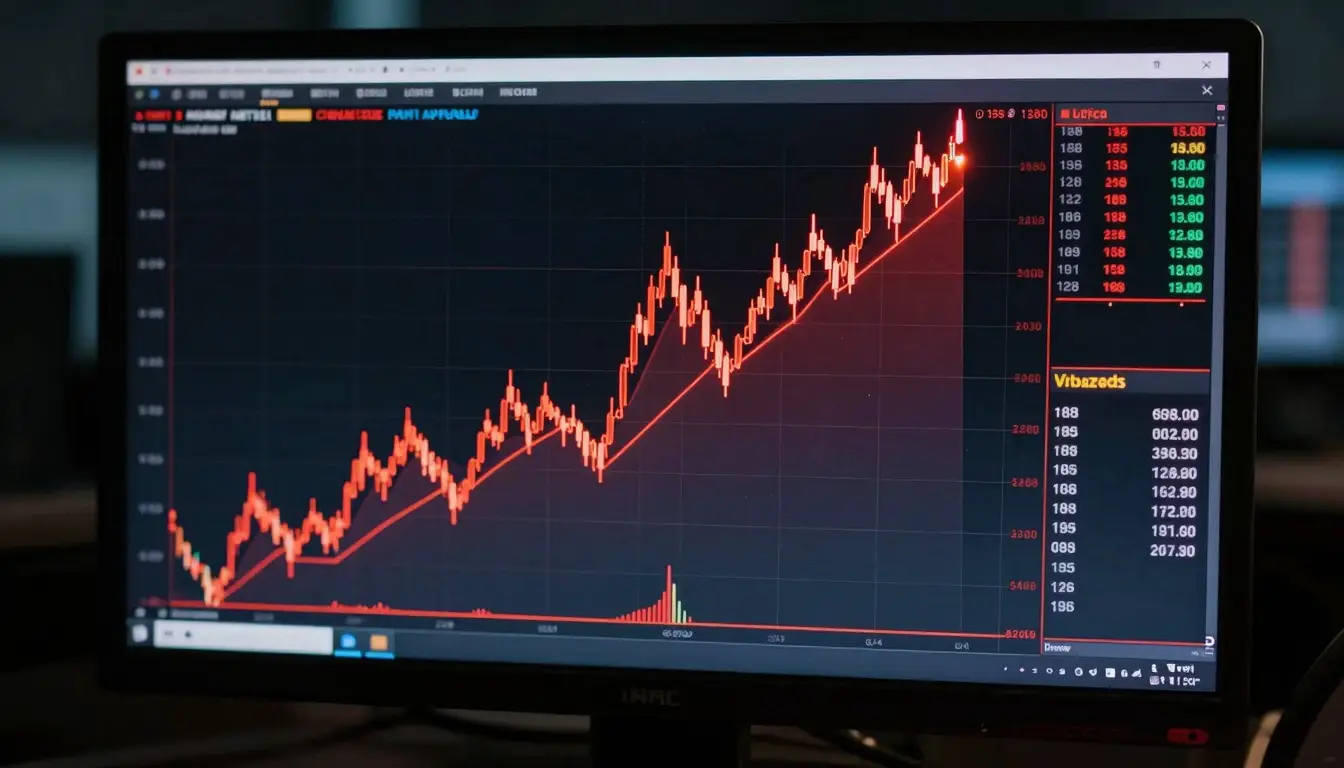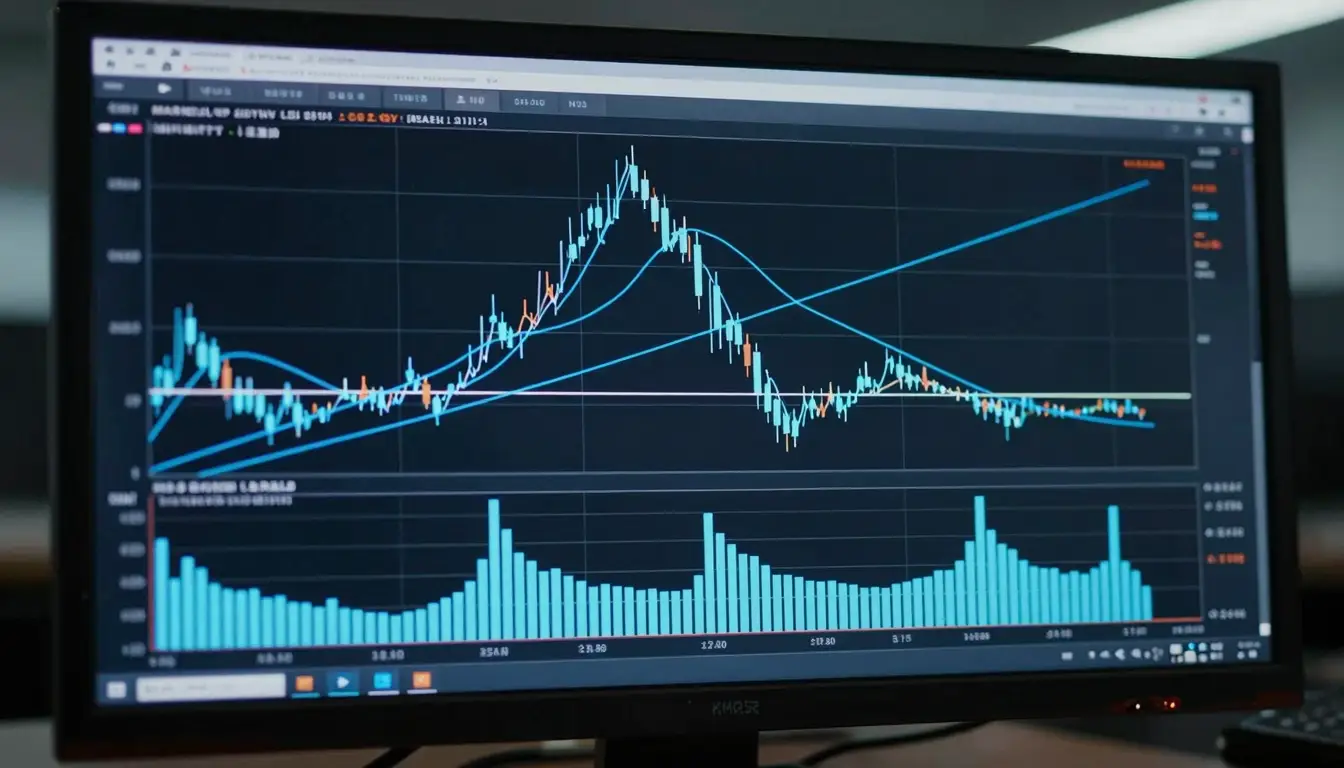
Crypto venture capital deployed approximately $13.7 billion in 2024, a 28% year-on-year increase after the 2022-2023 downturn, though still well below the $33 billion peak of 2021. In 2026, the recovery has continued with important structural shifts: AI x crypto is the dominant investment thesis, RWA tokenization is attracting traditional finance VC for the first time, and deal sizes are polarizing between large rounds for proven protocols and seed rounds for infrastructure plays.
What is the state of crypto venture capital in 2026?
Crypto VC in 2026 operates in a materially different environment from 2021-2022. Key differences:
- Regulatory clarity: US crypto policy under the current administration is constructive rather than adversarial. The Strategic Bitcoin Reserve, pro-crypto SEC leadership, and legislative progress on market structure and stablecoins have reduced regulatory risk premiums, making VCs more willing to lead large rounds.
- Institutional participation: Traditional PE and VC firms (a16z, Tiger Global, Sequoia) remain active in crypto alongside specialist crypto-native funds. Cross-over funds have become comfortable in crypto, increasing competition for deals.
- Post-FTX due diligence standards: The FTX collapse imposed permanent behavioral changes on VC firms, more rigorous financial auditing, segregated fund requirements, and governance standards that would have flagged Alameda’s relationship with FTX years earlier.
- Sector focus: Infrastructure and AI x crypto dominate; the NFT mania of 2021-2022 is absent; DeFi remains well-funded but more selective.
Which crypto sectors are attracting the most VC investment in 2026?
AI x Crypto
The convergence of AI and crypto became the dominant investment narrative in 2025 and continues into 2026. Key themes within this sector:
- Decentralized AI compute (DePIN): Networks like Render, Akash, and io.net aggregate idle GPU capacity from distributed contributors and sell it to AI model trainers at below-datacenter prices. As demand for AI training compute continues to exceed centralized supply, decentralized GPU networks attract both crypto and AI-focused investors.
- AI agent infrastructure: Protocols enabling AI agents to transact on-chain autonomously, holding wallets, paying for services, executing smart contracts, represent a genuine new use case for crypto rails. Projects like Fetch.ai and Autonolas have attracted significant VC attention.
- Verifiable AI / on-chain model verification: Zero-knowledge proofs applied to AI model outputs, proving that a model was run correctly without revealing the model itself. Relevant to both privacy and AI accountability.
Real-World Asset (RWA) Tokenization
Tokenized Treasuries proved the model; now VCs are funding the broader RWA stack. This includes:
- Private credit tokenization: Firms like Maple Finance, Goldfinch, and Centrifuge tokenize private credit facilities, giving DeFi protocols access to real-world lending yield. Traditional credit funds have also begun using blockchain for distribution and settlement.
- Real estate tokenization: Fractionalized ownership of commercial real estate on-chain, enabling smaller investors to access asset classes previously requiring millions in minimum investment.
- Tokenization infrastructure: The custodians, oracles (providing real-world data on-chain), compliance tools, and issuance platforms enabling RWA tokenization are attracting dedicated infrastructure investment.
Institutional DeFi
DeFi protocols that can satisfy institutional compliance requirements are attracting disproportionate investment. KYC-gated DeFi pools (where all participants are verified entities), on-chain compliance tools, and regulated DeFi wrappers that enable banks and asset managers to use DeFi yields are significant 2025-2026 investment themes.
L2 Ecosystem Infrastructure
After Dencun’s fee reductions, L2 activity exploded. The infrastructure serving L2 ecosystems, bridges, sequencers, data availability layers, MEV infrastructure, and developer tooling, continues to attract funding. The competition among L2s (Arbitrum, Optimism, Base, zkSync, Starknet) has created a rich ecosystem of protocol-level opportunities.
Stablecoins and Payments
Stablecoins have become the most used application in crypto by transaction volume. With US stablecoin legislation advancing, VCs are funding the next generation of stablecoin issuers, yield-bearing stablecoin products, and the payment infrastructure layer on top. This is one area where traditional payments VCs have crossed over into crypto for the first time.
Who are the major crypto VC firms in 2026?
- Andreessen Horowitz (a16z Crypto): Manages over $7B across crypto funds. Generalist within crypto, funds infrastructure, consumer apps, DeFi, AI x crypto. Known for long holds and active operational support.
- Paradigm: Raised $850M for its third fund. Deep technical focus, co-leads open-source protocol development (Foundry, Reth). Primarily infrastructure and DeFi protocol investments.
- Multicoin Capital: Austin-based, concentrated bets on thesis-driven infrastructure plays. Known for early Solana investment. Manages ~$1B across funds.
- Pantera Capital: Oldest dedicated crypto VC fund (since 2013). Broad mandate including ICO/token investments, early-stage venture, and liquid tokens. Over $5B AUM across strategies.
- Galaxy Ventures: Arm of Galaxy Digital, with particular strength in infrastructure, mining, and institutional finance adjacent to crypto.
- Dragonfly Capital: Asia/US focus, deep DeFi expertise. Manages multi-hundred million fund with conviction positions in leading DeFi protocols.
What is the crypto VC investment outlook for 2026-2027?
Several factors support continued growth in crypto VC deployment:
- Clear regulatory path: US legislative progress on market structure and stablecoins is reducing regulatory risk, enabling firms to fund projects that previously faced unclear status
- Bitcoin ETF institutional on-ramp: As institutions allocate to Bitcoin ETFs, portfolio diversification logic may extend to early-stage crypto venture exposure
- AI compute demand: The insatiable demand for AI training infrastructure creates a secular growth driver for DePIN and decentralized compute plays
- RWA market expansion: The infrastructure for tokenizing traditional assets is still early, it’s a multi-year buildout requiring consistent VC capital
Headwinds: interest rates (if they remain elevated, risk appetite for venture-stage deals compresses), regulatory execution risk (legislation can stall), and general macroeconomic conditions. But the structural case for crypto VC in 2026 is stronger than at any point since the 2021 peak.
Frequently Asked Questions
How much money does crypto venture capital invest annually in 2026?
Based on 2024’s $13.7 billion and the improving regulatory environment, 2026 crypto VC deployment is estimated in the $15-20 billion range. This is well above the 2022-2023 downturn period but below the 2021 peak. The AI x crypto convergence theme has attracted cross-over investment from traditional AI-focused funds, expanding the total capital pool.
What do crypto VCs look for in 2026 investments?
Demonstrated product-market fit with real user traction has replaced “narrative investing” as the dominant selection criterion, a direct lesson from 2021-2022 investments that looked compelling on paper but had no real usage. Technical team depth, protocol security record, tokenomics that align long-term incentives, and defensible moat (network effects, switching costs) are prioritized. Regulatory compliance readiness is now table stakes for any project seeking institutional VC backing.
Which blockchain sectors attract the most crypto VC in 2026?
AI x crypto infrastructure (DePIN, AI agents, verifiable computation) leads in deal count and dollar volume. RWA tokenization follows as traditional finance VCs enter the space. Institutional DeFi (KYC-gated protocols, compliant yield products) and stablecoin infrastructure round out the top categories. Consumer apps and gaming remain present but have significantly less funding than in 2021-2022.