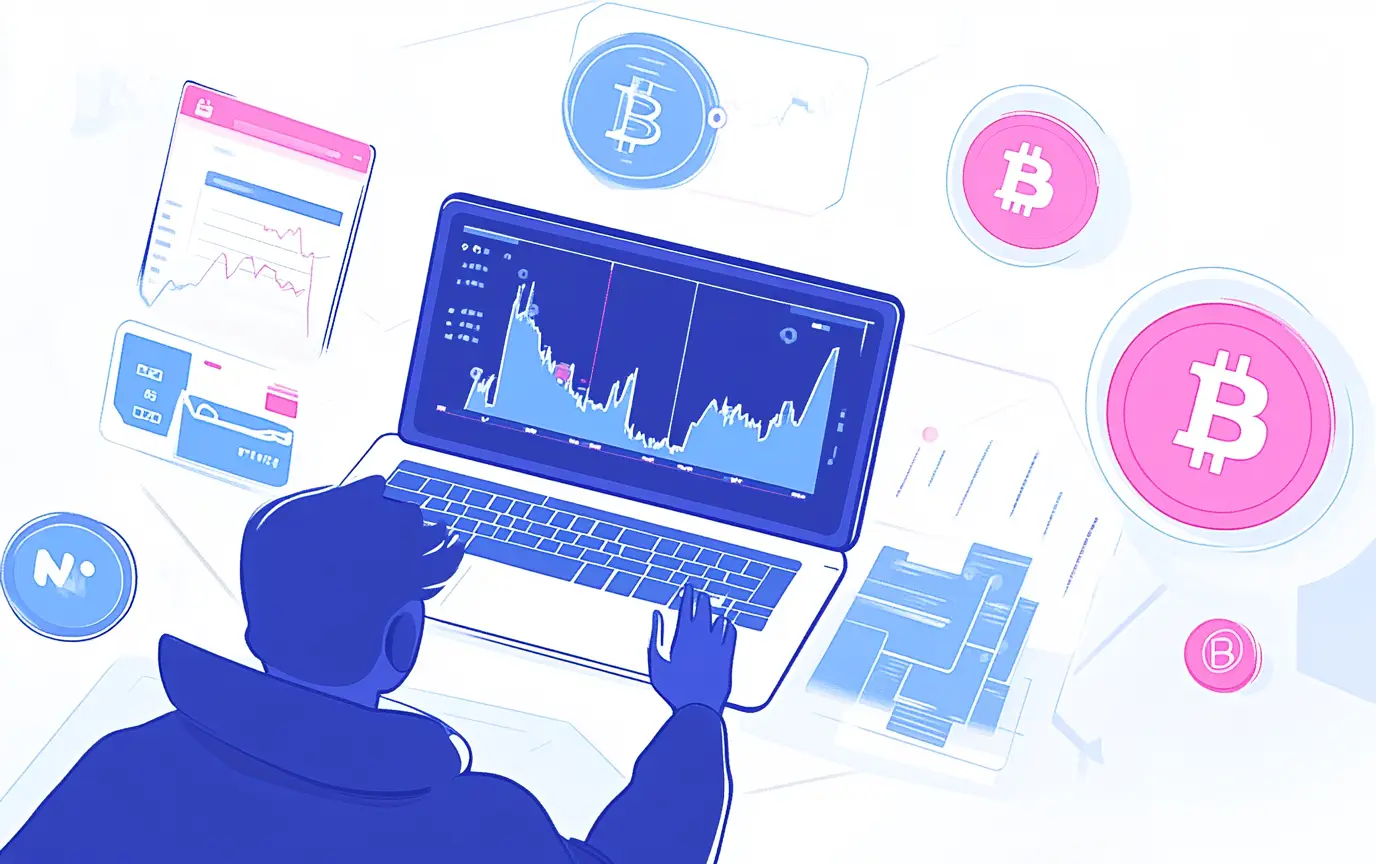
Understanding Crypto Market Volatility: A Comprehensive Guide
Cryptocurrency markets are notorious for their volatility, which makes them both exhilarating and challenging for investors. To navigate this unpredictable terrain, one must understand the underlying factors, tools, and strategies that guide informed decisions. Grasping the nuances of crypto market volatility is essential for any serious investor today.
What is crypto market volatility?
Crypto market volatility refers to the rapid and significant price fluctuations of cryptocurrencies. Unlike traditional currencies or commodities, digital assets can experience wild price swings within hours. Various factors drive this volatility, including market sentiment, liquidity, and external events. Understanding these elements is crucial for investing or trading in cryptocurrencies.
Factors contributing to crypto market volatility
Price discovery and immature markets
Cryptocurrencies are still in their infancy. The market is continually discovering its fair value, a process known as price discovery. This aspect leads to significant price fluctuations as new participants enter the market, trying to establish a consensus on the value of these digital assets.
Consider your first day at a new school. You’re unsure of your place, and you’re constantly gauging the reactions of others. Similarly, the crypto market is still figuring itself out. Each new transaction, every tweet, and each headline can send prices soaring or plummeting.
Moreover, the crypto market is characterised by immaturity. Unlike the established stock markets, the crypto ecosystem often lacks the depth and liquidity of larger markets. This results in fewer financial instruments available for managing exposure. Large traders can enter or exit positions without affecting prices. However, even a modest transaction can lead to significant price movements in crypto.
Supply and demand dynamics
The supply and demand dynamics in the crypto market are pivotal in driving volatility. For instance, Bitcoin, with its capped supply of 21 million coins, can experience dramatic price shifts when demand surges. Imagine a concert with limited tickets. When everyone wants one, prices skyrocket. The same principle applies here.
Additionally, large holders—often called “whales”—can exacerbate price fluctuations by buying or selling substantial quantities of an asset. Their actions can cause market ripples and create volatile price swings, leaving average investors reeling.
Sentiment and market psychology
Market sentiment often drives crypto prices. Emotions such as fear and greed can spread rapidly, influencing market movements. Take, for example, Tesla’s monumental purchase of Bitcoin in 2021. It triggered widespread optimism, leading to a price rally that made headlines.
The Fear of Missing Out (FOMO) concept is crucial in speculative buying. People often join the rising price bandwagon for fear of missing out on an opportunity. This creates positive feedback loops, further inflating prices.
The Fear & Greed Index
What is the Fear & Greed Index?
The Fear & Greed Index is an analytical tool designed to gauge market sentiment between 0 and 100, where 0 indicates extreme fear and 100 signals extreme greed. This index shows investors whether the market is overheated or undervalued.
When the index reads low, it might suggest a buying opportunity. Conversely, a high reading could signal that the market is due for a correction.
How to use the Fear & Greed Index
Knowing how to utilise the Fear & Greed Index can significantly alter the situation.
- Market sentiment analysis: The index serves as a barometer of the overall mood in the cryptocurrency market. High values often suggest greed, indicating a potential downturn. Low values suggest fear, which could be an opportune moment to buy.
- Contrarian strategy: A contrarian strategy can lead to timely investment decisions. For instance, be fearful when others are greedy. Conversely, they feel greedy when others are fearful. This mindset can help you capitalise on market extremes.
- Complementary analysis: It is wise to combine the Fear & Greed Index with other analytical tools. This can provide a more comprehensive view of market conditions, strengthening your investment decisions.
Liquidity crunch
Understanding the liquidity crunch
A liquidity crunch occurs when the number of willing buyers or sellers drastically reduces. This scenario leads to volatility in asset prices, complicating trading. The crypto market experienced a significant liquidity crunch in 2023, impacting even top-tier exchanges and market makers.
Imagine a bustling marketplace suddenly devoid of customers. The remaining vendors struggle to sell their wares, leading to price reductions. That’s a liquidity crunch in action.
Causes of the liquidity crunch
Several factors contribute to liquidity crunches.
- Withdrawal of assets: Large-scale withdrawals from exchanges reduce the available supply for trading. For instance, during recent events, Bitcoin and Ethereum holdings on exchanges decreased significantly, by 20% and 5%, respectively. Fewer assets available means more volatility.
- DeFi adoption: The rise of decentralised finance (DeFi) applications has led to more assets being locked in protocols. This shift reduces liquidity in centralised exchanges, further exacerbating volatility.
Impact on Bitcoin and Ethereum
Both Bitcoin and Ethereum have felt the repercussions of the liquidity crunch. Reduced trading volumes and increased price volatility have emerged as direct consequences. This situation complicates transaction execution and affects the broader ecosystem, including Ethereum-based tokens.
Managing risks in a volatile crypto market
Tools to monitor volatility
Monitoring tools can prove invaluable in navigating the complexities of a volatile market.
- Crypto volatility indexes: Leverage indexes like the Fear & Greed Index to gauge overall market volatility.
- Crypto news and analysis platforms: Staying informed about the latest developments, regulatory changes, and project updates helps shape more informed decisions.
Risk management strategies
Implementing effective risk management strategies is paramount to surviving in the volatile crypto landscape.
- Setting stop-loss and take-profit levels: Predetermining price points at which to automatically sell or buy can limit losses and secure profits. This approach can remove emotion from trading and rational decision-making.
- The role of stablecoins: Holding a portion of your portfolio in stablecoins can provide a buffer during periods of high volatility. They offer a sense of security amid unpredictable price movements, allowing investors to hold value without exposure to the fluctuations of other cryptocurrencies.
Navigating volatility with strategies
Contrarian investing
Utilising the Fear & Greed Index as a cornerstone of contrarian investing can be highly effective. Investors can be fearful when others are greedy and vice versa. This practice allows individuals to capitalise on market sentiment extremes, creating profitable opportunities.
Diversification and hedging
Diversification remains a key strategy in reducing risk. Spreading investments across various assets can help mitigate potential losses. Additionally, derivative products can provide further protection against market volatility, even though these tools are still nascent in the crypto market.
Emotional management is crucial in a volatile market, and setting profit levels can help maintain rational decision-making. When prices fluctuate significantly, it’s simple to overlook rationality and respond impulsively. A disciplined approach can preserve both your investment and your sanity.
Capitulation events
Capitulation events occur when investors, often driven by fear or desperation, sell their assets at significantly lower prices. Identifying these events can provide valuable insights into market behaviour.
Identifying capitulation
- Extreme fear readings: Look for extreme fear readings on the Fear & Greed Index, indicating capitulation points.
- Market sentiment analysis: Monitoring market news, social media, and other sentiment indicators help gauge investors’ overall mood.
Capitulation events can present unique buying opportunities. Historically, markets often rebound following these events. However, combining it with other analytical tools is crucial to making informed medical decisions.
Navigating the volatile crypto market requires deep understanding and strategic foresight. As you delve deeper into this realm, remember that knowledge is your ally. Each price swing, every sentiment shift, and all market dynamics contribute to a complex ecosystem where informed decisions can lead to success.
The role of technology in managing volatility
Advanced trading tools
Technology plays a pivotal role in managing volatility in the rapidly evolving cryptocurrency landscape. Investors can access a myriad of trading tools and platforms designed to navigate this market’s tumultuous waters. Advanced trading software provides features like algorithmic trading, real-time data analytics, and risk management tools, enabling traders to make informed decisions quickly.
Imagine having a trusty compass during a storm at sea. These trading tools serve that purpose, providing direction amidst the chaos. They help investors identify trends, track price movements, and execute trades efficiently. For example, traders can set automated buy and sell orders, ensuring they don’t miss opportunities even when away from their screens.
The impact of blockchain technology
Blockchain technology not only underpins cryptocurrencies but also enhances market stability. Innovations such as decentralised exchanges (DEXs) offer alternatives to traditional trading platforms. DEXs reduce reliance on centralised entities, increasing market transparency and potentially mitigating liquidity issues.
Consider a bustling farmers’ market where each vendor operates independently. This decentralised structure can increase efficiency, fostering healthier competition among traders. Adopting blockchain technology could lead to more robust markets as the ecosystem matures, reducing the sharp price fluctuations that currently characterise crypto trading.
Regulatory factors
Regulating cryptocurrency continues to be a complex issue. On one hand, regulatory frameworks can enhance market stability and protect investors. On the other hand, excessive regulation may stifle innovation and hinder growth. Understanding the regulatory landscape is vital for navigating market volatility.
When countries implement clear regulations surrounding cryptocurrency, it often increases market confidence. Investors feel secure, knowing that there are mechanisms to protect their investments. However, sudden regulatory changes can lead to panic selling, resulting in significant price drops.
For instance, when China announced a crackdown on cryptocurrency mining, the market reacted swiftly. Prices plummeted as fear gripped investors. This highlights the delicate balance between regulation and market freedom.
Staying informed on regulations
Investors must stay abreast of regulatory developments to manage risk effectively. Following reputable news sources, joining cryptocurrency forums, and engaging with experienced traders can provide valuable insights. Knowledge is power; understanding potential regulatory impacts can help investors make more informed decisions.
Emotional resilience in volatile markets
Cultivating a strong mindset
Emotional resilience is crucial for navigating the crypto market’s ups and downs. The fear of loss can lead to hasty decisions, often resulting in missed opportunities or significant losses. Cultivating a strong, disciplined mindset can help mitigate these emotions.
Investors should recognise their emotional triggers. Are they prone to panic selling when prices dip? Do they feel euphoria during price surges? Understanding their emotional landscape can help them implement strategies to counteract impulsive reactions.
Techniques for emotional management
Several techniques can assist in managing emotions while trading.
- Meditation and mindfulness: Practicing mindfulness can foster calmness and focus. Taking a few moments to breathe deeply can help centre your thoughts before trading decisions.
- Setting clear goals: Specific, measurable goals can provide direction and purpose. When you have a plan, it becomes easier to stick to your strategy, regardless of market noise.
- Journaling your trades: Keeping a trading journal allows you to reflect on your decisions. Documenting your thought process during trades can reveal patterns in your behaviour, helping you make adjustments over time.
Future trends in the crypto market
The evolution of institutional investment
As the cryptocurrency market matures, institutional investment is becoming increasingly prevalent. Major financial institutions and corporations are beginning to allocate funds to cryptocurrencies, further legitimising the market. This trend can lead to more stability and reduced volatility.
Institutional investors often bring a level of sophistication to the market. Their research capabilities and long-term strategies can help smooth out price fluctuations. However, the entry of institutional money can also lead to abrupt shifts as these entities adjust their positions. For instance, when a major firm announces a significant investment in Bitcoin, it can trigger a surge in market prices, which might lead to a subsequent correction.
The rise of new cryptocurrencies and innovations
The crypto landscape constantly evolves, with new projects and innovations regularly entering the market. Investors must remain vigilant in identifying promising opportunities while recognising potential pitfalls.
New cryptocurrencies can introduce both excitement and volatility. For example, new tokens might experience rapid price increases due to speculative trading, only to crash soon after. Understanding the fundamentals behind these projects is crucial for making informed investment decisions.
The importance of continuous learning
Staying ahead of the curve
Continuous learning is essential in such a fast-paced environment. The cryptocurrency market is dynamic, with new trends, technologies, and strategies emerging regularly. Investors need to remain proactive and adjust their strategies accordingly.
Attending webinars, participating in online courses, and engaging with the cryptocurrency community can provide valuable insights. Learning from experienced traders and analysts can enhance your understanding of market dynamics, helping you make more informed decisions.
Learning from mistakes
Every investor encounters challenges along the way. The key is to learn from these experiences rather than allowing them to deter you. Reflecting on mistakes can foster growth, enabling you to refine your strategy and approach.
Consider each setback as an opportunity for improvement. Perhaps you overreacted to market news, leading to a poor trade. By analysing your thought process during that time, you can identify areas for growth.
Building a sustainable investment approach
Creating a diversified portfolio
Diversification remains one of the most effective strategies for managing risk in a volatile market. By holding various assets, investors can cushion themselves against potential losses. A balanced portfolio can include a mix of established cryptocurrencies, emerging tokens, and stablecoins to provide stability during turbulent times.
When constructing your portfolio, consider your risk tolerance. Are you comfortable with high-risk assets, or do you prefer stability? Tailoring your holdings to align with your risk profile can lead to a more sustainable investment approach.
Emphasising long-term growth
While short-term trading can be appealing, adopting a long-term perspective can benefit the volatile crypto market. Many successful investors focus on accumulating assets they believe will grow in value over time.
By holding onto investments through market fluctuations, you can avoid the pitfalls of emotional decision-making. This strategy often yields better results than trying to time the market perfectly. In the realm of investing, patience is a valuable asset.
Conclusion
Navigating the volatile crypto market demands knowledge, emotional resilience, and strategic planning. Investors can enhance their decision-making processes by understanding the factors driving volatility, utilising advanced tools, and staying informed on regulatory developments.
Ultimately, the journey through the cryptocurrency landscape is one of continuous learning. Embrace the challenges and uncertainties, for they often lead to growth and opportunity. As you tread this unpredictable terrain, remember that knowledge is your greatest ally, guiding you through the waves of volatility.
Want to know when and how to start trading? Subscribe to our Telegram channel: https://t.me/volitybeat or access the financial markets directly, risk-free at https://volity.io/.