Protect Your Investments: 10 Proven Tips to Avoid Pump-and-Dump Schemes

Pump-and-dump schemes: How to spot and avoid manipulation

The world of investing is both exhilarating and treacherous. With opportunities for substantial profits, there are also lurking dangers, especially in the form of pump-and-dump schemes. These manipulative tactics are insidious, often preying on the hopeful aspirations of unsuspecting investors, particularly in volatile markets like cryptocurrencies and microcap stocks. Understanding how these schemes operate is essential for every investor, especially those eager to navigate the complexities of financial independence.

What is a pump-and-dump scheme?

At its core, a pump-and-dump scheme is a deceptive practice aimed at manipulating the price of a security or cryptocurrency. Fraudsters orchestrate a campaign of misinformation, inflating the price through false or exaggerated claims. The objective is to create an artificial sense of demand, driving prices higher until the perpetrators sell their holdings at a profit. Subsequently, the price collapses, leaving other investors with substantial losses.

Imagine being part of a conversation at a local pub, where a friend enthusiastically shares their latest investment tip. They mention a little-known stock, claiming it’s going to skyrocket. You feel the excitement building, a common phenomenon known as the ‘FOMO’—fear of missing out. You buy in, only to watch the price tumble after the initial frenzy. This scenario illustrates how easily investors can be ensnared in a pump-and-dump trap.

How does a pump-and-dump scheme work?

Traditional markets

In traditional financial markets, these schemes predominantly target microcap stocks—small companies with low trading volumes. These stocks are particularly vulnerable due to their limited liquidity and lack of public information. Here’s a closer look at how a typical pump-and-dump unfolds:

  • Selection of stock: The fraudster identifies a obscure microcap stock with minimal trading activity. With such stocks, any price movement can be significant, making them prime targets for manipulation.
  • Creation of hype: The fraudsters utilise cold calls, spam emails, and even fake news releases to generate buzz around the stock. They might claim that the company has secured a groundbreaking contract or that it is about to make a major technological breakthrough.
  • Pump phase: As the hype spreads, unsuspecting investors jump on the bandwagon, increasing the stock price. This phase often resembles a fever pitch, with social media buzzing and forums abuzz with excited chatter.
  • Dump phase: The fraudsters sell off their shares once the price reaches a predetermined peak. The sudden influx of sales causes the price to plummet, leading to catastrophic losses for those who bought in at inflated prices.

Crypto markets

The cryptocurrency realm presents its own unique playground for these manipulative schemes. Here, the process mirrors traditional markets but leverages the distinct characteristics of crypto assets:

  • Selection of cryptocurrency: Just like with stocks, fraudsters pick a relatively low-volume or low-market-cap cryptocurrency to target. These coins are often less known and less traded, making them easy targets for manipulation.
  • Pre-launch phase: Creating hype is crucial. Fraudsters take to social media, online forums, and chat groups, building a narrative around the coin. They might promote exclusive access, inviting early investments through allowlists or pre-sales, which create a sense of urgency.
  • Pump phase: Once enough attention is garnered, the fraudsters purchase large quantities of the cryptocurrency. As the price begins to rise, it attracts more investors who are eager to join in on the upward trend.
  • Dump phase: At the peak, the fraudsters sell their holdings en masse, causing the price to crash. Those who bought in late are often left holding the bag, facing significant losses.

Types of pump-and-dump schemes

Understanding the different types of pump-and-dump schemes can help investors identify potential risks more effectively.

Classic scheme

The classic scheme involves a broad manipulation of information surrounding a company and its stock. This may include cold-calling unsuspecting investors, releasing fake news articles, and distributing “inside” information to generate interest. The aim is straightforward: inflate the stock price through deception.

Boiler room scheme

In contrast to the classic scheme, the boiler room approach involves a more organised operation. These small broking firms employ brokers who use dishonest sales to sell dubious investments, primarily penny stocks. The brokers often cold-call potential investors, promoting stocks that the firm has a vested interest in, further amplifying the manipulation.

Crypto-specific schemes

Within the cryptocurrency ecosystem, pump-and-dump schemes often exploit the rapid growth and volatility of certain coins. Fraudsters utilise social media platforms to disseminate false information, creating a narrative that makes a cryptocurrency appear more desirable. They may also employ strategies such as allowlists and pre-sales to create an illusion of scarcity and urgency, thereby tempting investors to invest without conducting due diligence.

How to spot a pump-and-dump scheme

Recognising the signs of a pump-and-dump scheme is crucial for protecting one’s investments. Here are several red flags to be vigilant about:

Unrealistic promises

A common trait of these schemes is the promise of extraordinarily high returns with little to no risk. If an opportunity appears excessively promising, it likely is. Investors should approach such claims with a healthy degree of scepticism.

See also  Maximize Your Earnings: The Ultimate Guide to Crypto Lending for Everyone

Unsolicited advice

Be wary of unsolicited investment advice, particularly if it arrives via cold calls, unsolicited emails, or social media messages. Often, these communications come from individuals with an ulterior motive, seeking to profit at the expense of others.

Lack of public information

Microcap stocks and low-market-cap cryptocurrencies frequently lack comprehensive public information. This scarcity can create an environment ripe for manipulation, allowing fraudsters to operate without scrutiny.

Sudden price movements

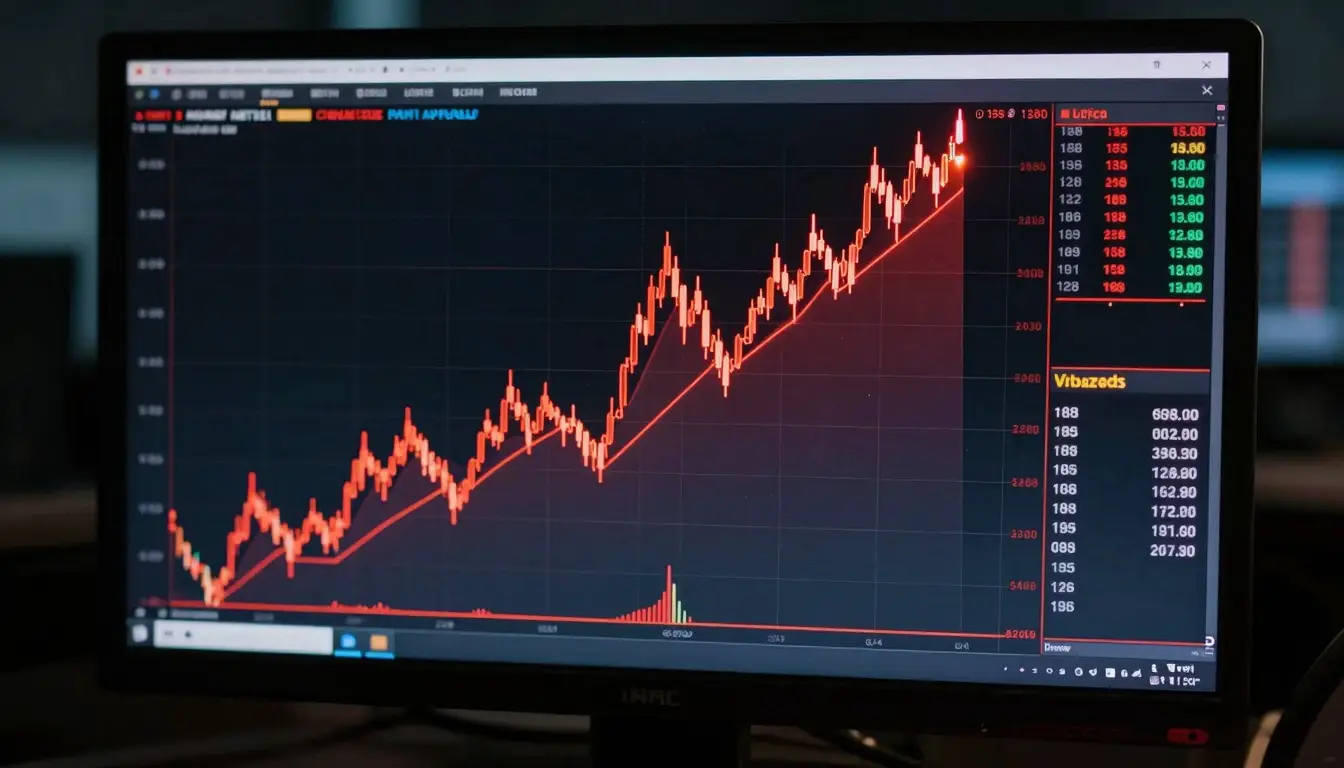
Investors should keep an eye out for sudden and unexplained price movements. If a stock or cryptocurrency experiences a rapid rise without a legitimate reason, it may signal the onset of a pump-and-dump scheme.

Social media hype

Heavy promotion on social media platforms can be another warning sign. While social media can be a great place to discover new investment opportunities, it is also a common tool for fraudsters to spread misinformation.

How to avoid pump-and-dump schemes

Awareness of pump-and-dump tactics is only half the battle. Here are steps investors can take to minimise their risk:

Use data and logic

Investment decisions should be rooted in thorough research and data analysis, not emotions or the fear of missing out. Successful investing requires a calm, rational approach, especially when considering new opportunities.

Verify information

Always verify the information received about an investment. Seek out credible sources and scrutinise any claims that sound exaggerated. This practice can help investors steer clear of potential traps.

Monitor trading patterns

Utilising tools and platforms that analyse trading patterns can provide insights into potential anomalies. Technologies such as AI and machine learning can help detect suspicious activities across cryptocurrency markets, offering another layer of protection.

Stay informed

Keeping up-to-date with the latest scams and fraud tactics is crucial. Regulatory bodies and financial education websites often provide valuable resources that can empower investors to make informed decisions.

Final thoughts

Pump-and-dump schemes remain a significant threat to investors in both traditional and cryptocurrency markets. By gaining a solid understanding of how these schemes operate, recognising the red flags, and employing proactive strategies to verify information, investors can greatly reduce their risk of becoming victims.

Investing invariably comes with risks, but knowledge and vigilance are key tools in managing those risks effectively. As you navigate the thrilling yet perilous waters of investing, always prioritise research and scepticism, particularly when confronted with opportunities that appear excessively promising.

The importance of regulatory awareness

One of the cornerstone principles of investing wisely is to stay informed about the regulatory environment. Regulatory bodies play a crucial role in overseeing financial markets, ensuring that they operate fairly and transparently. Understanding the regulations that govern the spaces in which you invest can empower you to make informed decisions.

In traditional markets, institutions like the Securities and Exchange Commission (SEC) provide frameworks that protect investors from fraudulent activities. These regulations encompass everything from transparency requirements to the prohibition of misleading information. Understanding the pertinent regulations can assist you in identifying potential investment opportunities that may be on the verge of legality.

In the cryptocurrency space, regulation is still evolving. Regulatory bodies are increasingly scrutinising digital assets, but the pace of change can leave investors vulnerable. Staying aware of developments in cryptocurrency regulations is essential. Changes in laws can dramatically impact the viability and legality of various investment opportunities.

The role of community in investing

Community can be a double-edged sword in the investment world. Online forums and social media platforms allow investors to share insights, strategies, and warnings about potential scams. However, they can also serve as breeding grounds for misinformation and manipulation.

Engaging with reputable communities can provide you with valuable insights into market trends and potential investment opportunities. However, you must always exercise caution. Just because an investment is widely discussed does not necessarily mean it is sound.

Seek forums or groups where members prioritise transparency and share verifiable information. When you encounter discussions about a particular stock or cryptocurrency, dig deeper. Look for independent analyses, credible news sources, and diverse opinions. This diligence will help shield you from potential pitfalls.

Building a personal investment strategy

Crafting a personal investment strategy is paramount for long-term success. A well-defined strategy helps you navigate volatile markets and recognise when to hold or sell. Here are some key considerations:

Define your goals

Before diving into any investment, clearly outline your financial goals. Are you investing for short-term gains, or are you building a retirement fund? Your objectives will dictate your approach and help you avoid emotionally driven decisions.

Risk tolerance assessment

Understanding your risk tolerance is critical. Every investment carries some level of risk, and it’s essential to gauge how much risk you are willing to accept. Age, financial situation, and personal comfort with volatility will influence your risk profile.

See also  Cryptocurrency Trends Unlocked: Insights on Institutional Adoption & Market Growth

Diversification

Diversification is a time-tested strategy that involves spreading investments across various asset classes. This approach reduces the impact of a poor-performing investment on your overall portfolio. Consider allocating funds to stocks, bonds, and even cryptocurrencies instead of putting all your money in one place.

Remember that diversification does not eliminate risk entirely; it merely helps manage it. A well-diversified portfolio can weather market fluctuations better than one concentrated in a single asset.

Continuous education and adaptation

The investment landscape constantly evolves, shaped by technological advancements, economic trends, and regulatory changes. Therefore, continuous education is necessary to remain adept at navigating these changes.

Read widely

Investors should regularly consume literature on investing, market trends, and personal finance. Books, articles, and podcasts can provide valuable insights and broaden your understanding of various investment topics.

Consider reading works by respected investors and financial experts. Their experiences and insights can offer lessons that apply to your own investing journey. For example, books like The Intelligent Investor by Benjamin Graham or A Random Walk Down Wall Street by Burton Malkiel offer timeless principles that hold true even amid market fluctuations.

Attend workshops and seminars

Participating in investment workshops or seminars can also enhance your knowledge. These events often feature industry experts who share their insights on market trends and investment strategies. Networking with like-minded individuals can lead to valuable discussions and insights.

Many reputable financial institutions and online platforms host educational sessions. Engage with these opportunities to deepen your understanding of investment strategies and market dynamics.

Embracing technology in investing

In recent years, technology has transformed the way we invest. From mobile trading apps to algorithmic trading, technology offers tools that can enhance your investing experience.

Trading platforms

Selecting the right trading platform is crucial. Opt for platforms that provide robust security features, a user-friendly interface, and access to various investment options. Look for one that offers educational resources to help you grow as an investor.

Many platforms incorporate advanced analytics tools that can assist in monitoring market trends. These tools can help you make data-driven decisions, reducing reliance on emotion and speculation.

Utilizing analytical tools

Investors can leverage various analytical tools to gain insights into market movements. For example, charting software allows you to visualise historical price trends and identify patterns. Such analyses can aid in making informed decisions about when to buy or sell.

Moreover, artificial intelligence (AI) is increasingly being used to analyse trading patterns and predict market movements. Some platforms offer AI-driven insights, providing a new layer of decision-making assistance. While no tool can guarantee success, these technologies can help you make more informed choices and identify potential red flags.

The psychological aspect of investing

Investing is as much a psychological endeavour as it is a financial one. Emotional responses can cloud judgement and lead to poor decision-making. Recognising and managing these emotions is key to becoming a successful investor.

Fear and greed

Fear and greed are two of the most potent emotions in investing. Fear can lead to panic selling during market downturns, while greed can drive irrational exuberance during bull markets.

Understanding your emotional triggers can help you navigate the psychological challenges of investing. Establishing a clear strategy and sticking to it can mitigate the impact of these emotions. Avoid making impulsive decisions based on market sentiment. Instead, focus on your long-term goals and investment strategy.

The importance of patience

Investing is not a get-rich-quick scheme. Patience is a virtue that pays dividends in the long run. Successful investors understand that the market will fluctuate, and staying the course is often more rewarding than making hasty decisions.

During periods of market volatility, remind yourself of your long-term goals. Resist the temptation to react impulsively to short-term price movements. Instead, focus on the bigger picture and remain committed to your investment strategy.

Conclusion

Understanding how to spot and avoid pump-and-dump schemes is vital in an ever-changing investment landscape. By recognising the patterns and tactics employed by fraudsters, investors can protect themselves and make informed decisions.

Moreover, cultivating a strong investment strategy, staying informed about regulations, and leveraging technology can further enhance your investing journey. Remember that continuous education, emotional discipline, and a commitment to your long-term goals are essential to successful investing.

Investing is a journey filled with opportunities and challenges. As you navigate this journey, equip yourself with knowledge, remain vigilant, and always prioritise sound decision-making over emotion-driven choices.

By doing so, you’ll protect yourself from manipulative schemes and position yourself for long-term financial success.

Want to know when and how to start trading? Subscribe to our Telegram channel: https://t.me/volitybeat or access the financial markets directly, risk-free at https://volity.io/.