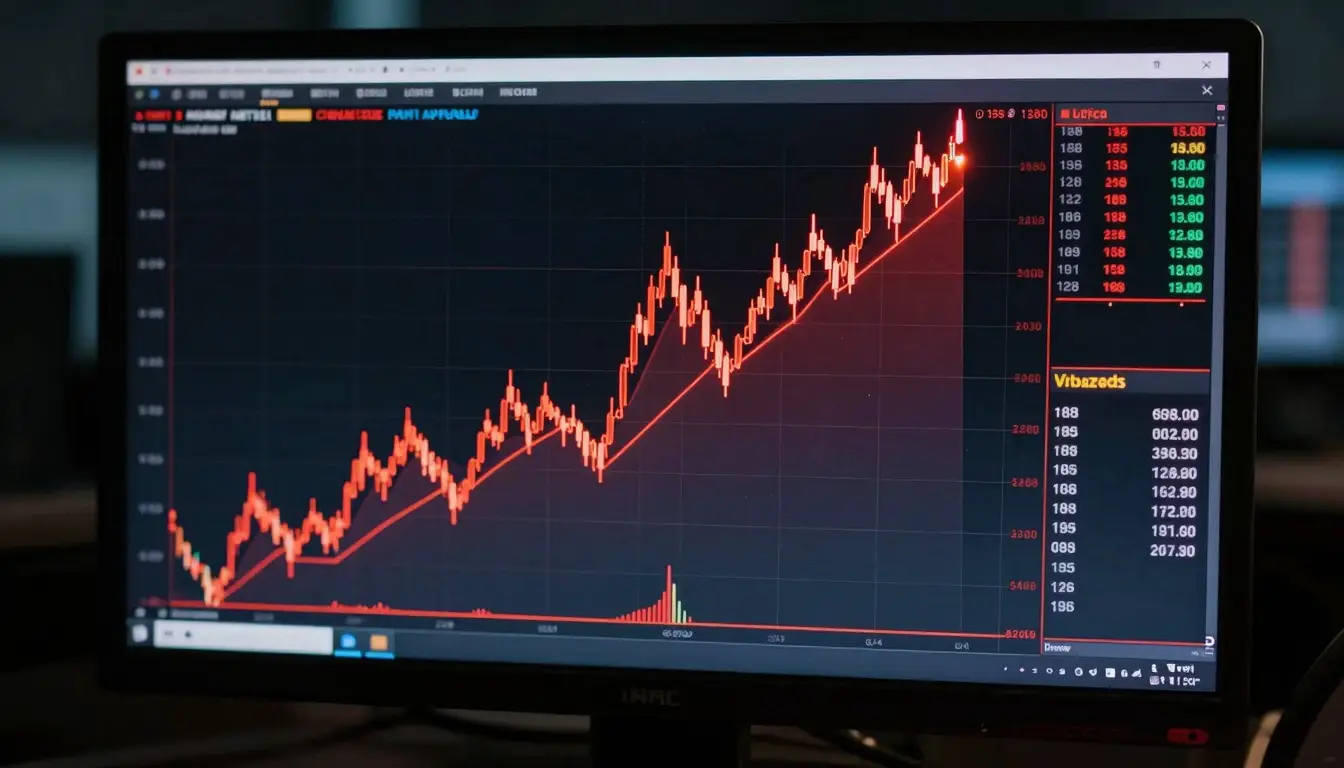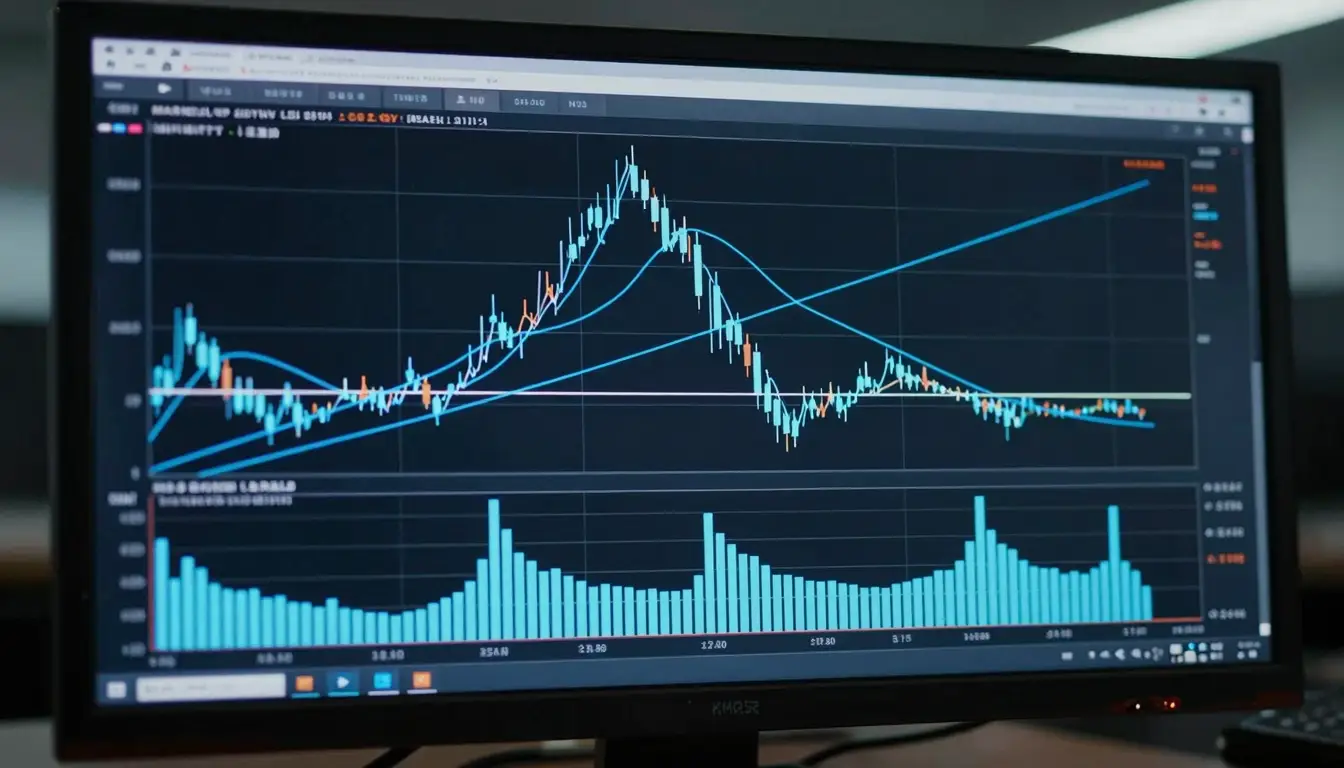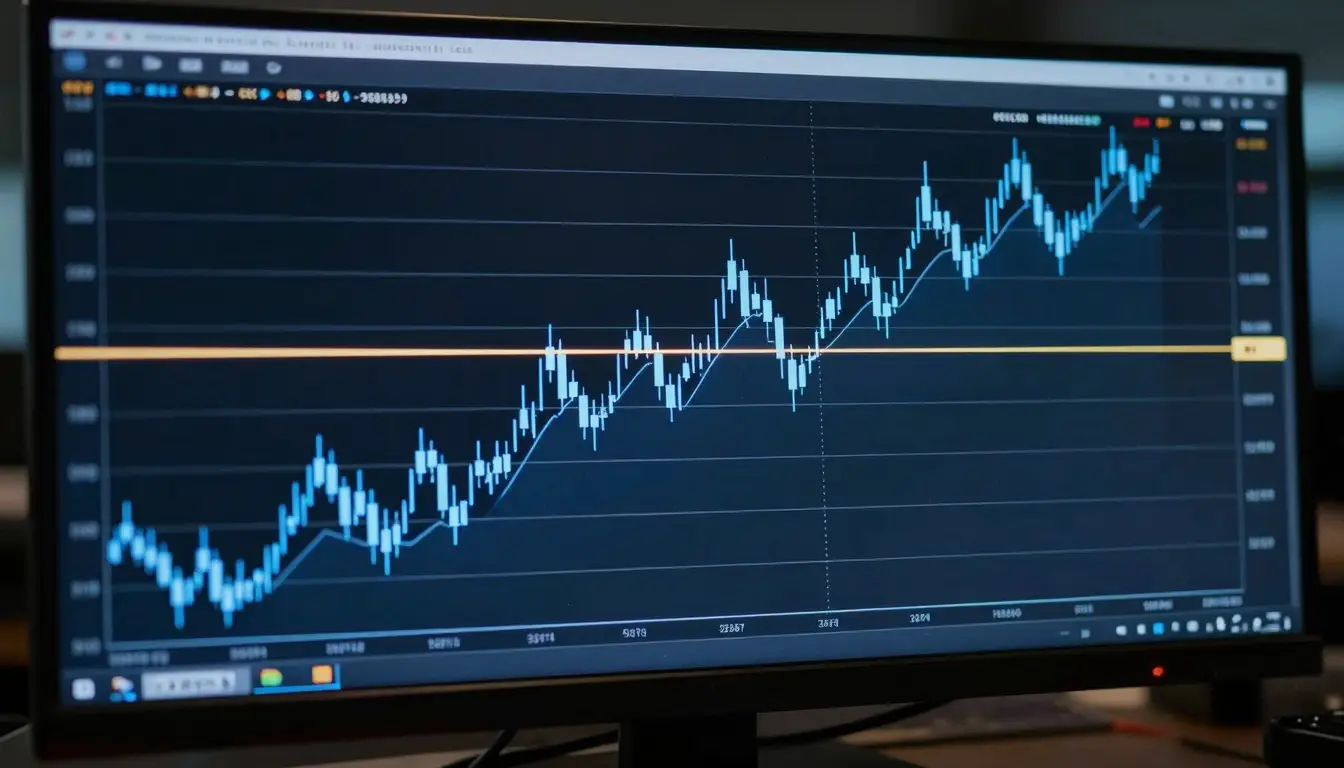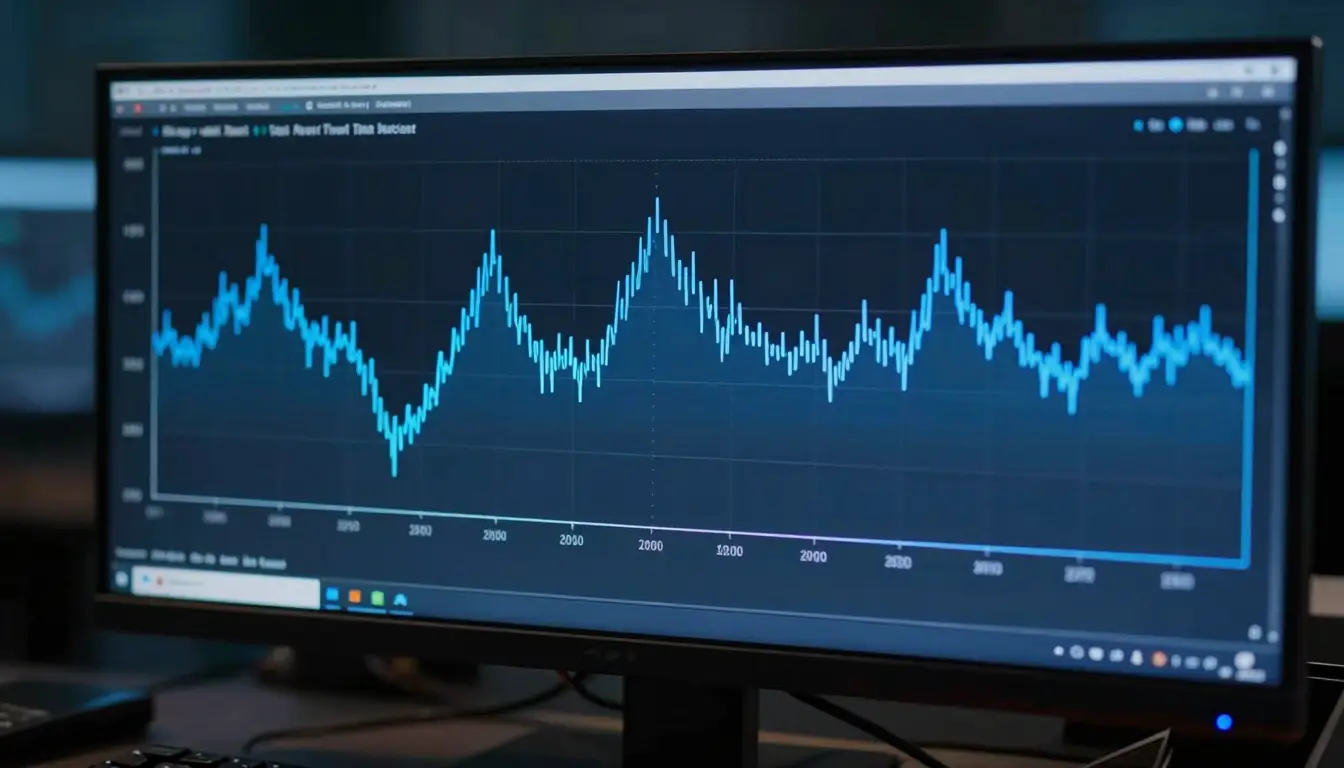
Bitcoin has completed three full crypto market cycles since 2012, each with a bear market that erased 75-85% of peak value, followed by a recovery that exceeded the prior all-time high. In 2026, we’re in the established phase of the post-halving bull cycle that began in 2024: Bitcoin crossed $100,000 in Q4 2024, institutional ETF inflows added structural buy pressure, and on-chain data shows typical mid-cycle supply dynamics. Understanding where you are in the crypto cycle changes what strategies make sense, accumulating during bear markets, managing risk during bull peaks, and avoiding the FOMO that kills most retail returns at cycle tops.
How do crypto bear and bull market cycles work?
Bitcoin’s price history follows a four-year rhythm aligned with its halving schedule, the event every ~4 years that cuts new Bitcoin supply issuance by 50%:
- Accumulation (late bear to early bull): Price consolidates near cycle lows; long-term holders accumulate while capitulated sellers have exited. On-chain: MVRV ratio (Market Value to Realized Value) below 1.0, Bitcoin trading below aggregate cost basis. HODL waves show long-term holders accumulating supply.
- Bull market (mid-cycle to peak): Price discovery phase, new all-time highs, increasing media attention, retail FOMO. Historically 12-18 months post-halving. On-chain: funding rates turn positive, exchange inflows increase, short-term holder supply grows as long-term holders distribute into strength.
- Distribution (cycle peak): Euphoria phase, everyone is profitable, mainstream media covers crypto positively, new retail entrants at peak prices. On-chain: MVRV above 3.0 historically signals overvaluation; NUPL (Net Unrealized Profit/Loss) near 0.75+ signals distribution phase.
- Bear market: 12-18 months of declining prices; 75-85% peak-to-trough drawdowns in prior cycles. Capitulation events (Celsius 2022, FTX 2022) mark late-stage bear conditions. Long-term holders don’t sell; short-term holders who bought peaks realize losses and exit.
What do the previous crypto market cycles tell us?
- 2012-2015 cycle: Bitcoin peak ~$1,150 (2013), trough ~$150 (2015). 87% drawdown. Mt. Gox collapse in 2014 extended bear market.
- 2016-2018 cycle: Bitcoin peak ~$19,800 (December 2017), trough ~$3,100 (December 2018). 84% drawdown. ICO mania peaked mid-2018; regulatory crackdown accelerated decline.
- 2020-2022 cycle: Bitcoin peak ~$69,000 (November 2021), trough ~$15,400 (November 2022). 78% drawdown. Institutional entry (MicroStrategy, Tesla, ETF filings) defined the bull; Celsius and FTX collapse marked the bottom.
- 2024-current cycle: Bitcoin halving April 2024; price crossed $100K in November 2024; spot ETF inflows added 500,000+ BTC in institutional holdings. Current cycle showing higher lows relative to prior cycles, attributed to structural institutional demand from ETFs reducing available sell-side supply.
What investment strategies work at different cycle stages?
- Bear market strategy: Accumulate BTC and ETH at extended discount to prior cycle highs. DCA removes timing pressure. Avoid altcoins in early bear, most underperform BTC by 50-80% through bear markets. Reduce leverage to zero; bear markets have 30-50% relief rallies that then continue lower and liquidate leveraged longs.
- Early bull strategy: Maintain positions; begin selectively adding higher-risk assets after bear market confirmation (on-chain indicators turning bullish). Layer1 alternatives, DeFi protocols, and infrastructure projects often outperform BTC in early bull markets.
- Late bull/peak strategy: Take profits into strength. Move gains to stablecoins or BTC/ETH from high-risk altcoin positions. Don’t use MVRV or NUPL as the sole exit signal, these can stay elevated for months. Trailing stops on altcoin positions.
- Cycle-agnostic: Long-term BTC/ETH holders with 5+ year time horizons can largely ignore crypto cycle positioning, the historical trend through crypto market cycles has been upward for both assets. Active cycle management only makes sense for capital that can genuinely be out of the market for 1-2 year bear market periods.
Frequently Asked Questions
How long does a crypto bear market last?
Historical bear markets from Bitcoin’s peak to trough: 2013-2015 bear lasted ~13 months; 2017-2018 bear lasted ~12 months; 2021-2022 bear lasted ~12 months. From peak to next all-time high is longer: the 2017 peak wasn’t exceeded until December 2020, about 3 years. Recovery timelines have been shortening across cycles, attributed to growing institutional liquidity and adoption reducing the severity of bear market capital flight. There’s no guarantee this pattern continues, each cycle has new structural changes (ETFs in 2024, for example) that alter dynamics.
What on-chain indicators show where we are in the cycle?
MVRV Z-Score: compares market cap to realized cap (aggregate cost basis); Z-score above 7 has historically marked overvaluation at cycle peaks. NUPL (Net Unrealized Profit/Loss): tracks whether aggregate holdings are in profit; above 0.75 signals euphoria/distribution zone. SOPR (Spent Output Profit Ratio): measures whether coins being moved are in profit or loss at transaction time; sustained SOPR below 1.0 signals bear market capitulation. HODL Waves: proportion of supply unmoved for 1+ years signals long-term holder conviction. All of these are available free via Glassnode’s public charts and LookIntoBitcoin.com.
Is the four-year Bitcoin halving cycle still predictive in 2026?
The halving cycle remains the dominant framework for understanding Bitcoin’s supply economics, but its predictive precision has weakened as new demand sources (ETFs, corporate treasury) create demand-side variables that weren’t present in early cycles. The 2024 halving coincided with spot ETF approval, two simultaneous supply/demand shocks make the current cycle harder to map onto prior templates. The cycle framework is still useful for understanding macro phases (accumulation, expansion, distribution, contraction) even if specific timing and percentage moves deviate from historical averages. Treat the cycle as a rough orientation tool rather than a precise timing system.