Take-profit strategies: Locking in gains at the right time
Introduction
In the ever-shifting terrain of cryptocurrency trading, a well-defined take-profit strategy acts as your lifeline. It enables you to lock in gains and mitigate losses in a landscape where prices can swing wildly at any moment. Understanding these strategies can be the difference between watching your profits evaporate and securing them for future endeavours. This guide will explore various methods and techniques that can help you craft an effective take-profit strategy in the crypto world.
Why you need a crypto take-profit strategy
Avoiding emotional decisions
Emotions can be a trader’s worst enemy. The crypto market’s notorious volatility often leads individuals to make rash choices driven by fear or greed. One moment, you might feel euphoric as your investment climbs; the next, despair grips you when prices plummet. A structured take-profit strategy serves as a safeguard against these emotional pitfalls, allowing you to make logical, well-thought-out decisions rather than rash, impulsive ones.
Imagine standing before an altar of flickering prices. Your heart races as Bitcoin surges past $60,000. You feel the adrenaline rush, whispering to your ego that it could reach $70,000 or even $80,000. Yet, the fear of a sudden downturn lurks in the shadows. A take-profit strategy is your shield, leading you to logical exits rather than speculative dreams.
Locking in gains
Markets shift; they ebb and flow like the tide. A take-profit strategy is essential for ensuring that gains are securely locked in. In the world of crypto trading, where prices can change rapidly, this strategy becomes crucial. You might buy Bitcoin at $30,000, and in mere hours, it could skyrocket to $35,000. Without a plan to lock in those gains, you could easily find yourself on the wrong side of a market correction.
Consider the experience of a trader named Mark. He made a substantial profit when Ethereum reached $4,000. Instead of cashing out, he held on, believing it would climb higher. Days later, it dropped to $3,200. Mark’s inaction cost him dearly. His story serves as a cautionary tale, a reminder that locking in profits is a fundamental component of smart trading.
Market cycles
Every seasoned trader knows that understanding market cycles is the key to successful trading. A well-crafted take-profit strategy empowers you to buy low and sell high, allowing you to capitalise on these cycles. As you navigate through market trends, your strategy should reflect not just your current position but your understanding of where the market is headed.
Picture a surfer waiting for the perfect wave. They watch the horizon, gauging the tides, and sensing when to catch the swell. Similarly, a take-profit strategy allows you to ride the market’s fluctuations, ensuring you exit at the right time, securing your gains before the tides turn against you.
Popular Crypto Take-profit Strategies
1. Percentage-based exits
One of the simplest yet effective take-profit strategies is the percentage-based exit. This involves selling a fixed percentage of your holdings at predetermined price levels. For example, consider selling 20% of your Ethereum holdings at $5,000, 30% at $6,000, and so forth. This straightforward approach helps you lock in profits without becoming entangled in the complexities of each price movement.
When you adopt a percentage-based exit strategy, you are effectively segmenting your profit-taking process. It allows you to benefit from price increases without the constant anxiety about daily fluctuations. Your mind finds solace in knowing you have a plan in place.
2. Target price approach
Using technical analysis, you can set specific price targets based on market trends. This might involve predicting that Bitcoin will hit $150,000 and setting your exit point just below that figure. This way, you secure a sale before the inevitable downturn occurs. By closely monitoring market trends and leveraging technical indicators, you can determine your ideal exit strategy.
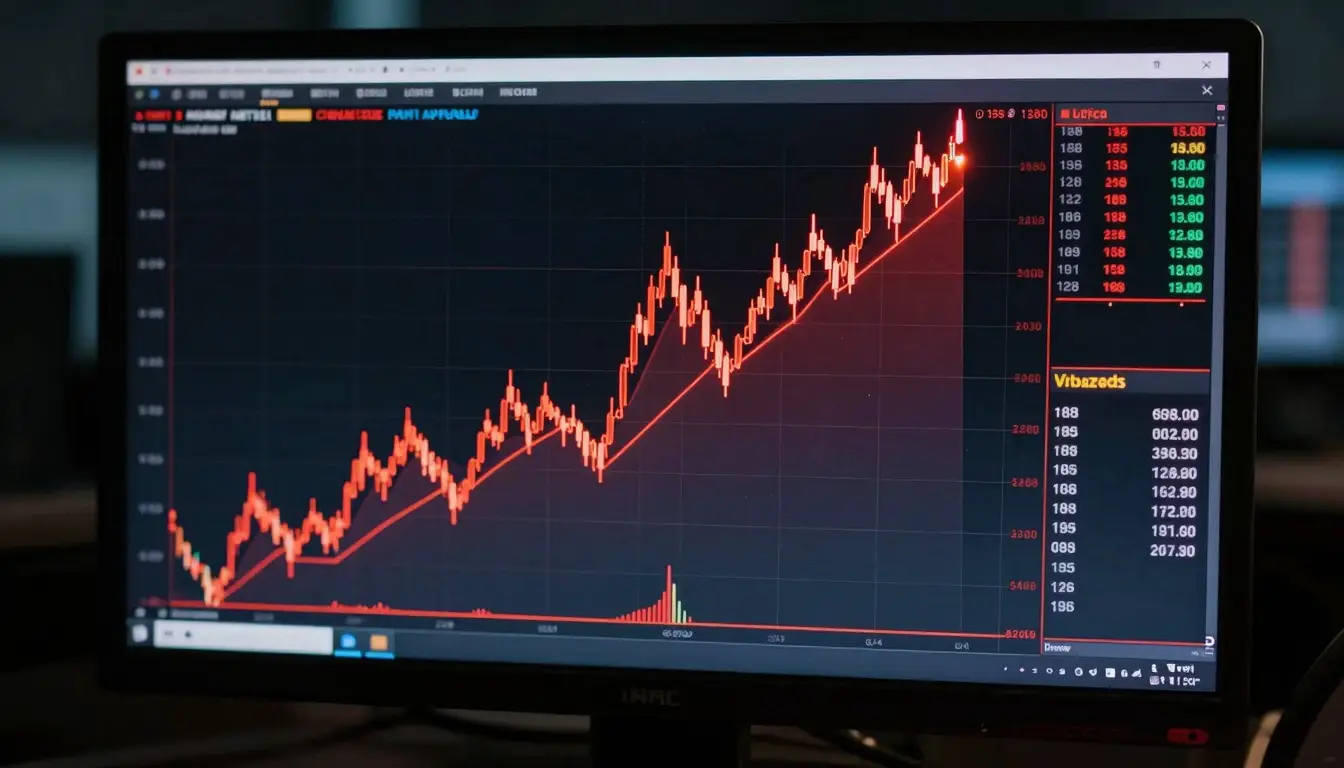
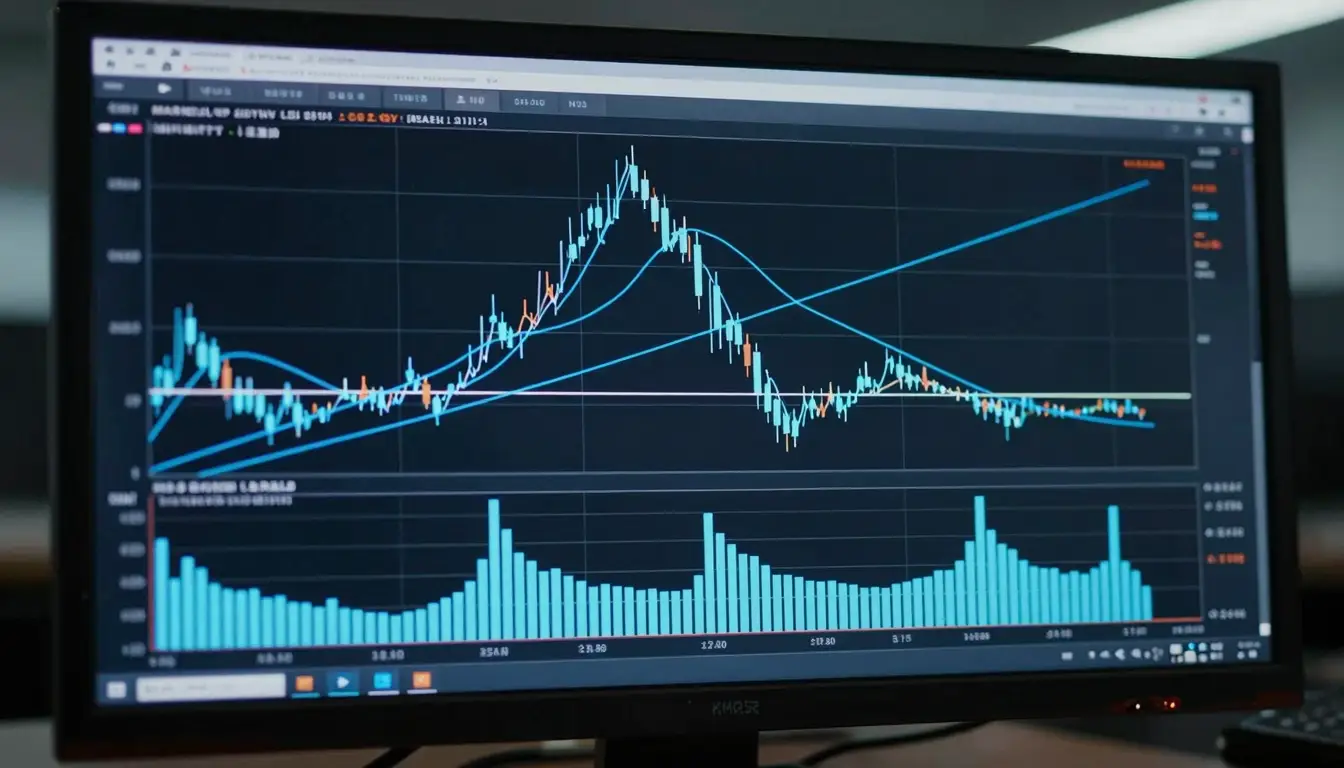
Imagine looking at a chart that depicts Bitcoin’s price movements. Each peak and trough tells a story, guiding your decisions. You might be tempted to sell at the peak, but the target price approach offers reassurance. You set your exit slightly below the peak, ensuring you don’t get caught in the turbulent waters that follow.
3. Time-based exits
Some traders prefer a more hands-off approach, opting for time-based exits. This strategy involves selling after a predetermined holding period, such as three months or a year. While it simplifies the decision-making process, it is crucial to ensure you’re in a position of profit. Time-based exits can be rewarding, but they require discipline, especially when emotions run high.
Think of a gardener tending to their plants. They know that patience is key. By giving their flowers time to bloom, they eventually reap the rewards. Similarly, time-based exits can lead to fruitful outcomes if you stay disciplined and informed about market conditions.
4. Dynamic rebalancing
Dynamic rebalancing is an advanced strategy that involves adjusting your portfolio based on market trends. This approach ensures that your investments align with your goals and risk tolerance, even as market conditions fluctuate. A dynamic strategy allows you to capitalise on changing market landscapes, rebalancing your holdings to maintain optimal performance.
Imagine a skilled sailor adjusting their sails according to the wind’s direction. They shift their focus based on real-time conditions, ensuring they remain on course. Dynamic rebalancing works similarly, allowing you to navigate through the market’s unpredictable nature with confidence.
How to Set Up Take-profit Orders
Using limit orders
Take-profit orders can be easily set up using limit orders. These orders automatically sell your coins once the price hits your target, alleviating the need for constant monitoring. You can set a limit order when placing a trade or managing an open position. For instance, if you buy Bitcoin for $30,000 and set a profit target of 2%, you would sell once the price reaches $30,600.
Setting up these orders can feel like placing a safety net beneath you. Once you’ve identified your target, the limit order allows you to step back, relinquishing the need for constant vigilance. The order executes on your behalf, providing peace of mind while you carry on with your day-to-day life.
Example of setting a take-profit order
Here’s a clear example of setting a take-profit order:
- Buy Bitcoin for $30,000.
- Set a profit target of 2%, which means selling when the price reaches $30,600.
- Use a limit order to automatically sell your Bitcoin once the price hits $30,600.
By following these steps, you can create a robust take-profit strategy that aligns with your investment goals. You relinquish some control, but in doing so, you gain the freedom to make informed decisions without the anxiety of constant market fluctuations.
Additional Strategies
Dollar-cost averaging (DCA)
Dollar-cost averaging (DCA) is an effective investment strategy that entails investing a fixed amount at regular intervals, regardless of market conditions. This technique helps to smooth out the highs and lows of your investments, reducing the risk of impulsive decision-making. By consistently buying into the market, you can avoid the trap of trying to time your entries perfectly.
Envision a steady stream of water flowing into a reservoir. Each drop adds up, ultimately creating a substantial body of water. Similarly, DCA allows you to build your investment over time, easing the pressure of making single large investments. The cumulative effect can be remarkably rewarding in the long term.
Reinvesting crypto profits
Another prudent strategy involves reinvesting a portion of your profits. This approach not only helps amplify your returns but also facilitates the growth of your overall investment portfolio. You might choose to withdraw a part of your earnings, ensuring you cover initial costs, while reinvesting the remaining portion to maximise your gains.
Picture yourself standing at the edge of a flourishing garden. You take a portion of the harvest to enjoy, yet you plant seeds for the next season. Reinvesting profits serves a similar purpose, allowing you to enjoy immediate benefits while nurturing future growth.
House money strategy
The house money strategy is a unique approach that involves withdrawing your initial investment once your holdings double in value. This allows you to let the remaining funds ride, minimising your risk exposure. For example, if you invest $100 and it doubles to $200, you take out your original $100, allowing the rest to continue in the market.
Imagine a poker player who has won big at the table. They pocket their original stake, playing with the house’s money. This approach helps you stay in the game while mitigating the risk of losing your initial capital. By employing the house money strategy, you can relish the thrill of trading without the constant worry of losing your hard-earned investment.
Key Mistakes to Avoid
Being overly greedy or fearful
In the realm of trading, emotions can lead to significant pitfalls. Greed can cause you to hold onto positions for too long, waiting for higher gains, while fear might push you to sell prematurely during minor corrections. Staying true to your strategy is crucial to avoid these emotional traps.
Consider a trader who let greed dictate their actions. They watched their profits soar but hesitated to sell, hoping for an even greater windfall. Eventually, the market turned, and they watched their hard-earned gains evaporate. Emotional decisions rarely yield positive outcomes—disciplined adherence to your strategy is essential for successful trading.
Ignoring market indicators
Being oblivious to market indicators can lead to missed opportunities. Ignoring crucial price trends and neglecting key support or resistance levels can result in poor decision-making. Always keep your finger on the pulse of the market, staying informed about changes that may affect your positions.
Envision an explorer navigating through dense fog. They rely on their compass to guide them, ensuring they stay on course. Market indicators function similarly, guiding you through the uncertainty of trading. By paying attention to these indicators, you can make informed decisions and seize opportunities as they arise.
Abandoning your strategy
Once you’ve established a take-profit strategy, it is vital to stick with it. Emotional responses can easily derail even the best-laid plans. Discipline is your ally, especially in volatile markets. Abandoning your strategy in the heat of the moment can lead to regret and financial loss.
Imagine a sailor navigating through turbulent waters. They trust their compass and follow their predetermined route, even as waves crash around them. Sticking to your strategy requires a similar level of commitment. By remaining disciplined, you can weather the storms of the market and emerge victorious.
Conclusion
A well-structured take-profit strategy serves as a cornerstone for successful trading in the cryptocurrency arena. It allows you to lock in gains, avoid emotional decisions, and navigate the market’s unpredictable nature. As you refine your approach and develop your strategies, remember that preparation and discipline will always pay off in the long run.
By keeping these principles in mind, you can confidently traverse the ever-changing landscape of cryptocurrency trading, positioning yourself for success and financial independence.## Managing your emotions while trading
The importance of emotional control
In the realm of cryptocurrency trading, managing your emotions is paramount. As previously discussed, greed and fear can lead to disastrous decisions, often resulting in missed opportunities or significant losses. Emotional control is not merely a recommendation; it’s a necessity. Understanding how to navigate the psychological aspects of trading can set you apart from the average trader.
Imagine you’re at a blackjack table. Each card dealt adds a layer of excitement, but every decision carries weight. You can either walk away with your winnings or risk it all on a final, impulsive bet. Trading in crypto can feel similarly exhilarating and dangerous. The key lies in developing a mindset that prioritises logic over emotion.
Techniques to maintain emotional balance
To maintain emotional balance, consider implementing several techniques that have proven effective for many traders:
- Establish a trading routine: A consistent routine can help mitigate emotional stress. Having set times for analysis, trading, and reflection allows you to approach the market with a clear mind.
- Use journaling: Keeping a trading journal enables you to track your decisions, emotions, and the outcomes of your trades. By reflecting on your experiences, you can identify patterns in your emotions and make more informed choices in the future.
- Practice mindfulness: Techniques such as meditation and deep breathing can help bring awareness to your emotional state. Practicing mindfulness allows you to step back from emotional triggers, enabling you to make decisions based on reason rather than impulse.
- Set realistic expectations: Understand that losses are part of trading. By setting realistic goals and accepting that not every trade will be a winner, you can better manage your emotions when faced with setbacks.
- Seek support: Engage with a community of traders to share experiences, strategies, and challenges. This support network can provide perspective and encouragement, helping you stay grounded during turbulent times.
By implementing these techniques, you can cultivate a trading environment that fosters emotional resilience, empowering you to make decisions based on strategy rather than emotion.
Reviewing and adjusting your strategies
The necessity of regular evaluation
Once you’ve established a take-profit strategy and begun trading, it’s crucial to periodically review and adjust your approach. The cryptocurrency market is dynamic, and what works today may not yield the same results tomorrow. A willingness to adapt is vital for long-term success.
Consider the example of Claire, an ambitious trader who ventured into the crypto space with high hopes. Initially, her percentage-based exit strategy yielded impressive results. However, as the market evolved, her gains began to dwindle. Instead of clinging to her initial approach, Claire took the time to evaluate her strategy. She discovered that the market had shifted, necessitating adjustments in her take-profit methods. By being proactive and open to change, Claire regained her footing and continued to thrive in the market.
Key metrics to consider
When reviewing your strategies, focus on key metrics that can provide insights into your trading performance:
- Win rate: Calculate the percentage of winning trades versus losing trades. A high win rate indicates a successful strategy, but it’s essential to consider average gains and losses in conjunction with this metric.
- Risk-reward ratio: Assess the ratio of potential profits compared to potential losses. A favourable risk-reward ratio helps ensure your winning trades compensate for your losing ones.
- Average return per trade: Understanding your average return can help you gauge the effectiveness of your strategies. If your average return is consistently low, it may be time to reevaluate your approach.
- Drawdown: Monitor the maximum drawdown your portfolio experiences during trading. A significant drawdown may indicate that your strategy is too aggressive or not well-aligned with your risk tolerance.
- Emotional checkpoints: Reflect on your emotional state during trading. Were you calm and collected, or did you succumb to fear and greed? These reflections can help you identify areas for improvement in your decision-making process.
Regularly reviewing these metrics can provide a clearer picture of your overall performance, allowing you to make informed decisions about necessary adjustments to your strategies.
Learning from your experiences
The role of continuous education
In the world of cryptocurrency trading, continuous education is essential. The market is ever-evolving, and staying informed about the latest trends, technologies, and trading techniques can significantly enhance your success. Consider following industry news, joining online forums, or enrolling in courses that focus on advanced trading strategies.
By engaging in ongoing education, you equip yourself with the knowledge and skills necessary to navigate the complexities of the crypto market. Just as a gardener learns about new techniques to cultivate their plants, you can grow your trading abilities through continuous learning.
Learning from mistakes
Mistakes are an inevitable part of trading. Rather than viewing them as failures, consider them valuable learning experiences. Each mistake offers insights into your decision-making process, helping you identify areas for improvement.
For instance, if you executed a trade based on a hunch rather than thorough analysis, reflect on what led to that decision. Did you ignore your trading strategy? Were you influenced by market hype? By recognising the reasons behind your mistakes, you can develop strategies to prevent similar errors in the future.
Sharing experiences with others
Engaging with fellow traders can also provide unique perspectives on your trading experiences. Sharing your successes and failures can foster a supportive community that encourages growth and improvement. Consider participating in online discussion groups or attending local meetups to connect with like-minded individuals who share your passion for trading.
By learning from both your own experiences and those of others, you can refine your strategies and enhance your overall trading performance.
The significance of patience and perseverance
Embracing the journey
Cryptocurrency trading is not a get-rich-quick scheme; it’s a journey that requires patience and perseverance. Many traders enter the market with lofty ambitions, only to become disheartened when faced with setbacks. Understanding that trading is a gradual process can help you maintain a long-term perspective.
Consider the tale of Jason, who dreamt of financial independence through trading. He experienced initial success but soon faced a series of losses that left him feeling defeated. Instead of abandoning his dreams, Jason reminded himself that every successful trader faces challenges. He committed to learning from his mistakes, adjusting his strategies, and focusing on his long-term goals. Over time, his patience paid off, and he began to see consistent results.
Cultivating a long-term mindset
To instill a long-term mindset, focus on the process rather than solely on results. Celebrate small victories, such as refining your strategy or enhancing your emotional control. Each step forward contributes to your growth as a trader.
Additionally, setting achievable milestones can help reinforce your commitment to your trading journey. Whether it’s mastering technical analysis, developing a new strategy, or improving your emotional control, these milestones will serve as important markers of your progress.
Conclusion
Having a well-defined take-profit strategy is crucial for navigating the volatile landscape of cryptocurrency trading. By understanding the importance of locking in gains, avoiding emotional decisions, and being adaptable, you can position yourself for success. Remember to continuously evaluate and refine your strategies, learn from your experiences, and maintain a balanced emotional state.
As you embark on this journey, embrace the lessons that come your way, and foster a mindset of patience and perseverance. The world of crypto trading is filled with opportunities, waiting for those who are prepared and willing to learn. Your commitment to improvement and growth will ultimately lead you toward achieving your financial independence.
Want to know when and how to start trading? Subscribe to our Telegram channel: https://t.me/volitybeat or access the financial markets directly, risk-free at https://volity.io/.