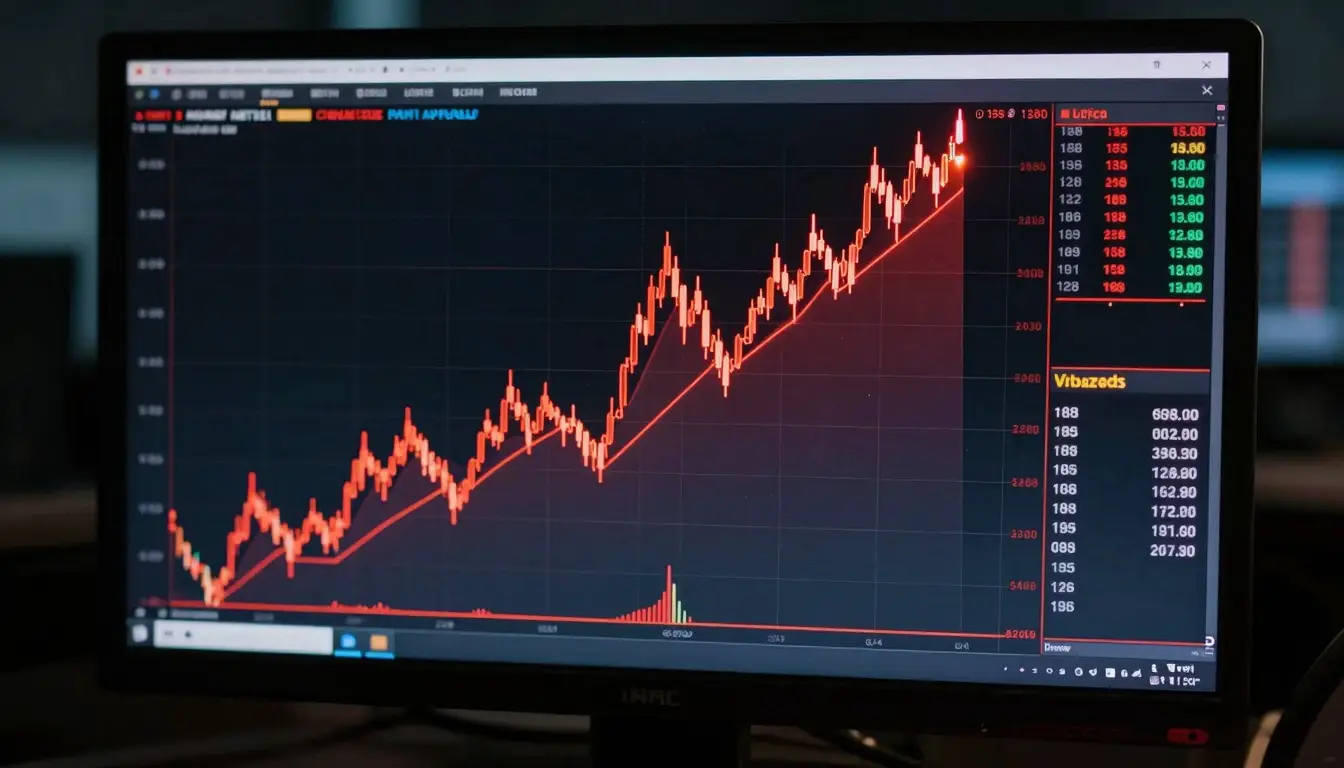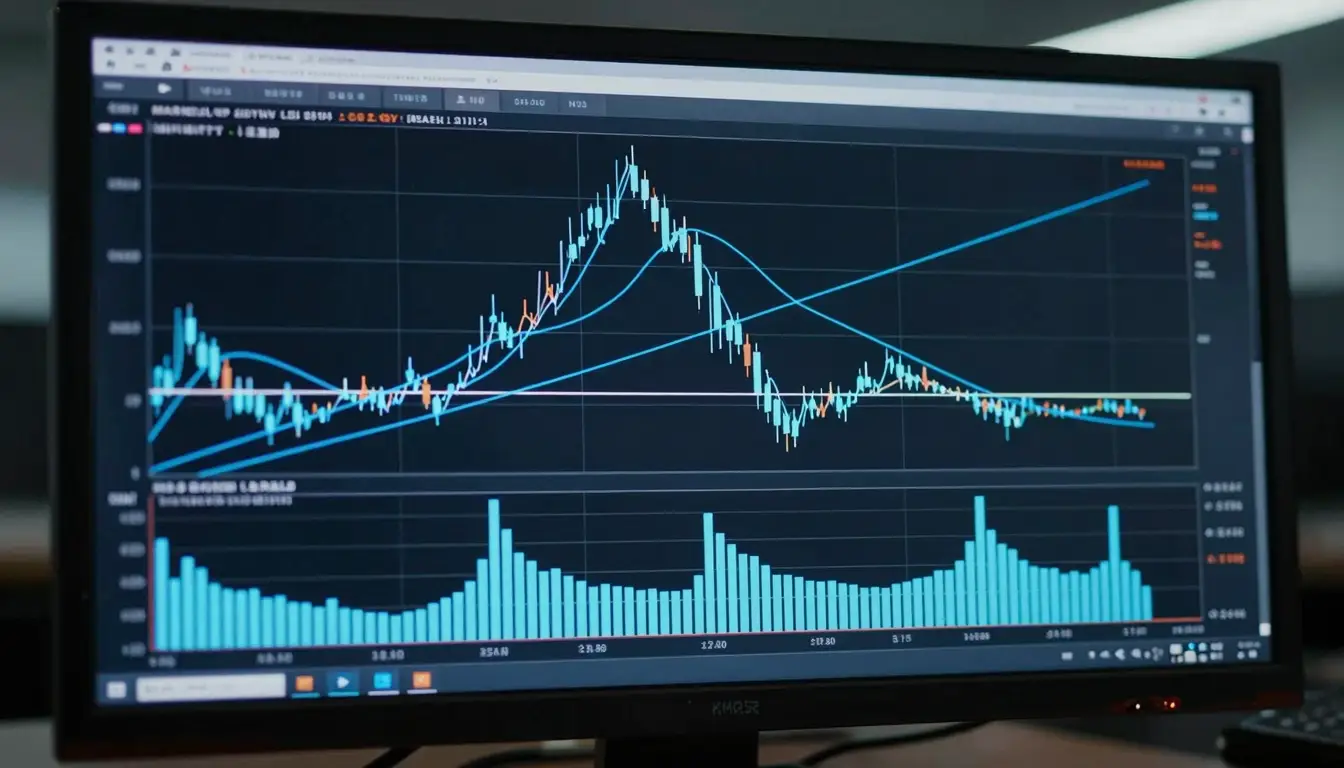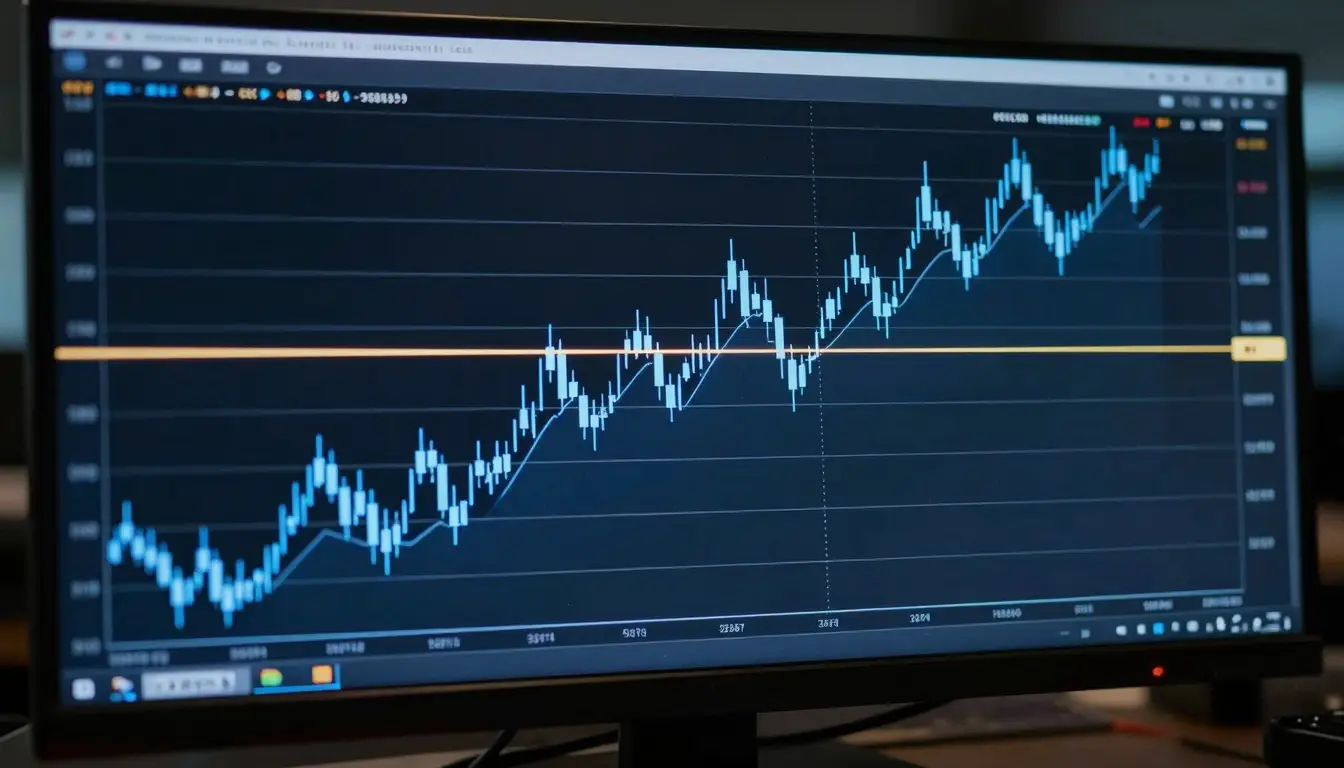
Crypto swing trading holds positions for days to weeks, capturing price swings within larger trends rather than chasing every intraday move. It’s the trading style most compatible with a normal life, you’re not watching screens for hours per day, but you’re also not ignoring markets for months. In 2026, swing trading strategies for Bitcoin and Ethereum are among the most studied and tested in crypto: trend-following on daily charts, breakout trading on key levels, and mean-reversion into support levels have all produced systematic positive returns over multi-year periods. Here’s how to structure a swing trading approach that’s actually executable.
What is the framework for crypto swing trading?
- Timeframe: Daily and 4-hour charts are the primary analytical timeframes for swing trading. Entry and exit timing uses 1-4 hour charts; trend identification uses daily/weekly. Holding periods: 2-14 days typically.
- Trade selection: Swing traders look for: assets in established trends (reduce counter-trend trades), consolidation patterns that suggest breakout (ascending triangles, flags, ranges), and high-relative-strength assets (assets outperforming the broader market, often early movers in new cycles).
- Entry criteria: Specific, objective conditions that must be met before entering a trade. Example: “Enter long when BTC daily closes above the 50-day MA with higher volume than the prior 5 days, and RSI is between 50-60 (not overbought).” Subjective entries based on “feels right” are the primary cause of inconsistent swing trading results.
- Risk/reward requirements: Minimum 2:1 risk/reward before entering a trade, target profit is at least 2x the stop-loss distance. At 40% win rate and 2:1 R:R, a swing trader breaks even. At 50% win rate and 2:1 R:R, they generate meaningful positive returns.
What swing trading strategies work in crypto?
- Trend-following breakout: Buy assets making new highs within a bullish market structure. Entry: close above prior swing high with volume confirmation. Stop: below the breakout candle’s low. Target: next significant resistance or measured move (equal to prior consolidation range). Bitcoin’s break above $20,000 in late 2020 and above $69,000 in 2024 were both textbook trend-following breakout setups.
- Pullback-to-support entry: In established uptrends, wait for a pullback to a key support level (20-day EMA, Fibonacci retracement, prior resistance now support) before entering. Provides better risk/reward than chasing breakouts, as stop placement is tight and the trend has already been established.
- Range trading: When Bitcoin or major assets enter consolidation (defined range with clear upper and lower bounds), buy near support, sell near resistance. Requires clear range identification, works well during accumulation phases between bull run legs.
- High-relative-strength rotation: Identify assets outperforming BTC during consolidation (BTC flat while altcoin rises), these often lead the next market move. Enter on pullbacks, stop below recent consolidation, target previous highs.
What mistakes most commonly fail swing traders?
- No predefined exit rules: Entering trades without defined profit targets and stop-loss levels creates emotional decision-making, you hold winners too long (hoping for more) and losers too long (hoping for recovery). Pre-define both before entry.
- Overtrading: Swing traders who take 20 setups per week are usually overtrading. High-quality setups meeting strict criteria are relatively infrequent, the discipline to wait for ideal setups rather than trading mediocre setups is what separates consistent swing traders from inconsistent ones.
- Ignoring market cycle context: Swing trading long setups in a bear market has a much lower win rate than in a bull market. Trend-aligned trades (long in bull, short in bear) outperform counter-trend trades significantly. Know the macro cycle before applying swing strategies.
- Position sizing based on conviction: “This one looks great so I’ll put 30% of my portfolio in” is how accounts get damaged. Position sizing should be based on stop-loss distance and portfolio risk percentage, never on how confident you feel about a specific setup.
Frequently Asked Questions
How much capital do you need to swing trade crypto?
No meaningful minimum, you can swing trade with $1,000 or $1,000,000. The limiting factor at small capital sizes is transaction costs as a percentage of position: a $5 flat fee on a $500 position is 1% per trade, significant drag. For swing trading to be economically meaningful with percentage-based fees (0.1% taker fee on major exchanges), any capital size works. At flat-fee platforms, $5,000+ makes transaction cost drag manageable. For tax purposes, every trade is a taxable event, small accounts accumulating many trades create tax complexity disproportionate to gains.
How do you manage taxes when swing trading crypto?
Every closed swing trade is a taxable event in the US, short-term capital gain or loss (ordinary income rates for positions held under 12 months). For active swing traders, Koinly or TaxBit import all trades automatically and calculate tax liability. HIFO (highest-in, first-out) accounting method can reduce tax liability by selling highest-cost-basis units first. Tax-loss harvesting, selling losing positions to offset gains, is most valuable at year end. Swing trading has significantly lower tax complexity than scalping (fewer trades) and potentially lower tax rates if some positions are held 12+ months for long-term capital gains treatment.
What is the difference between swing trading and day trading crypto?
Day trading: opens and closes all positions within the same day, typically holding for minutes to hours, using intraday charts (1m, 5m, 15m, 1h). Higher frequency, higher transaction costs, requires sustained daily attention. Swing trading: holds positions for 2-14 days, using daily and 4-hour charts, monitoring once or twice daily. Lower frequency, lower transaction costs, more compatible with other commitments. Swing trading is generally more accessible for traders who aren’t full-time, you define setups in evenings, enter orders, check during the day without constant monitoring. Day trading requires real-time attention throughout trading hours.