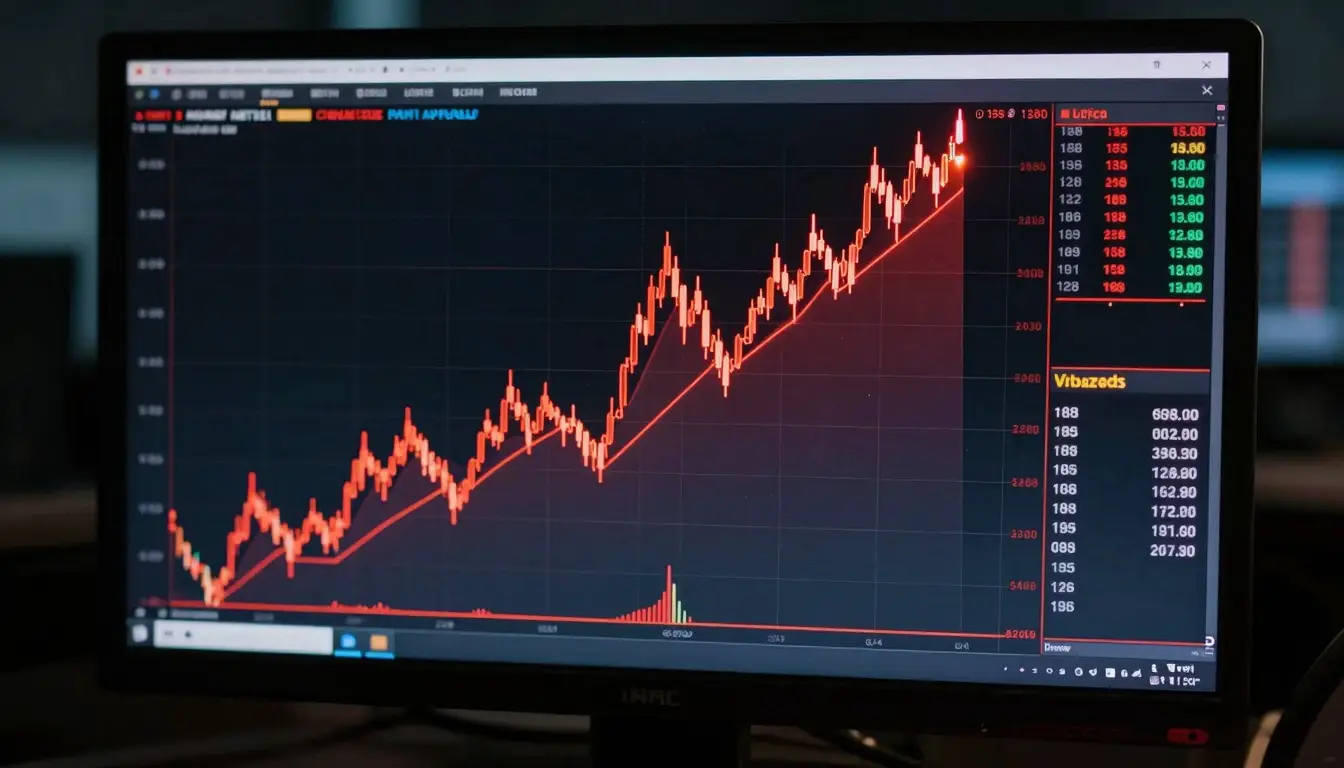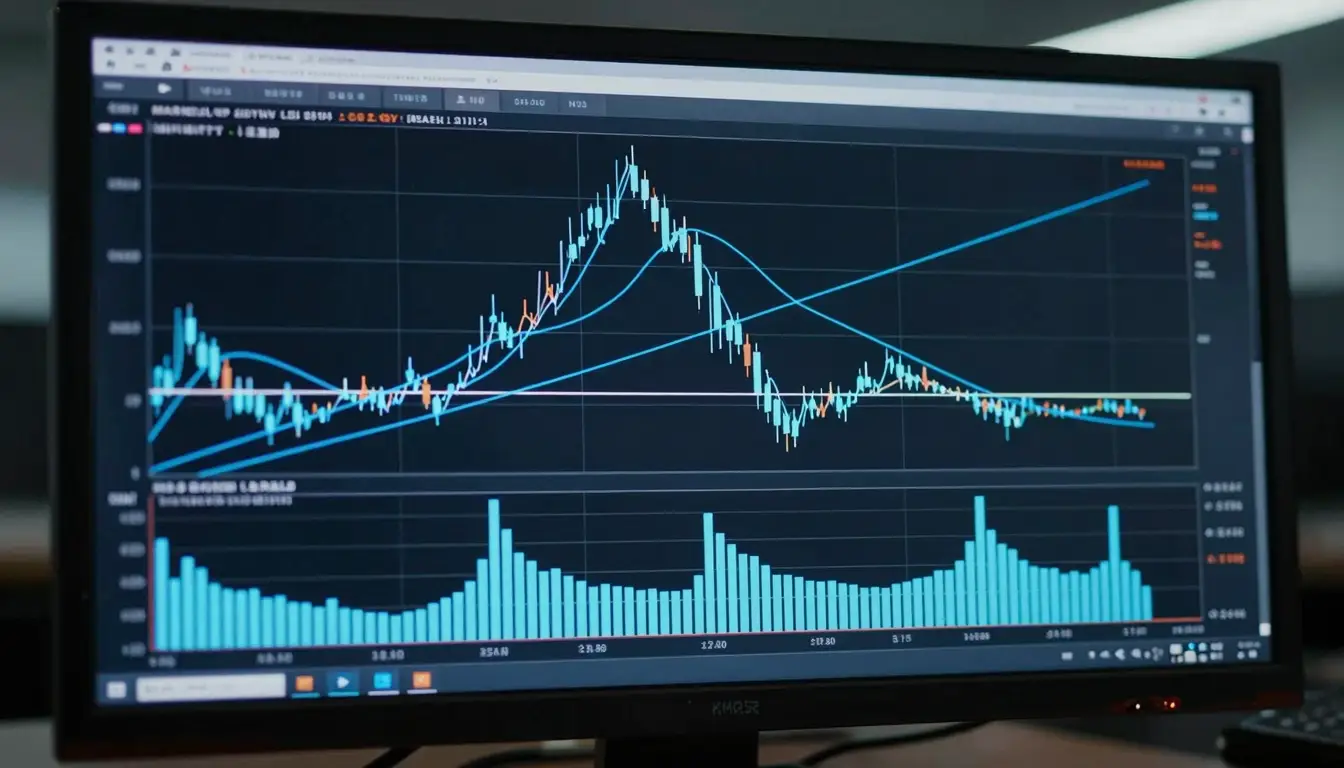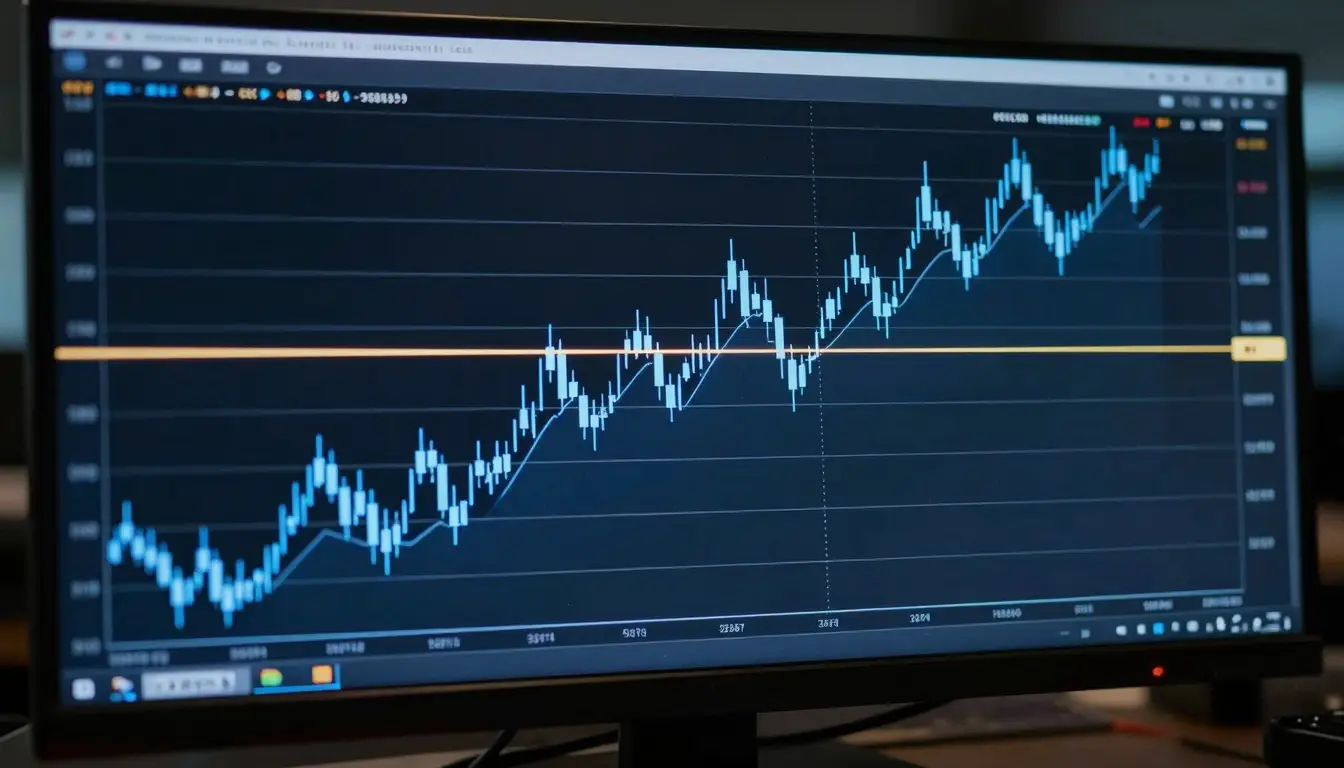
Crypto trading mastery in 2026 is less about finding a magic indicator and more about building a systematic, repeatable process that survives the inevitable losing streaks and market conditions your strategy wasn’t designed for. The traders who consistently generate returns don’t have a secret edge, they have rigorous process, clear rules, and the psychological discipline to follow them. Most retail traders fail not because their strategy is wrong but because they abandon it during drawdowns, oversize positions during FOMO, and revenge-trade after losses. Here are ten strategies grounded in what actually works across crypto market cycles.
What systematic crypto trading strategies work in 2026?
- Strategy 1, Trend following with moving averages: The 200-day moving average is the single most reliable trend indicator for Bitcoin and major altcoins. Long above the 200-day MA; flat or short below it. Not profitable every month, trend following has frequent small losses with occasional large wins. Backtest: buying BTC when price closes above 200-day MA and selling when it closes below has generated positive returns across every 4-year cycle. The strategy keeps you out of the worst bear market legs and captures most bull market gains.
- Strategy 2, Dollar-cost averaging with market cycle awareness: Systematic DCA outperforms most active strategies for investors without dedicated trading time. Enhance with cycle-awareness: increase DCA amounts when MVRV Z-Score is below 1 (historically undervalued); reduce or pause DCA when MVRV is above 5 (historically overvalued). Mechanical rules applied consistently outperform discretionary timing for most retail participants.
- Strategy 3, Breakout trading with volume confirmation: Key resistance levels (prior all-time highs, round numbers, major consolidation zones) are high-probability entry points when broken with above-average volume. Required confirmation: volume 1.5x+ the 20-period average at the breakout candle. False breakouts without volume confirmation fail significantly more often. Wait for confirmation rather than anticipating breakouts.
- Strategy 4, Pullback-to-support entries in established uptrends: In confirmed uptrends (price above 50-day and 200-day MA, higher highs and higher lows), pullbacks to key support levels offer better risk-reward than chasing breakouts. Entry at prior resistance turned support, stop below the level, target at next resistance. R:R of 2:1 minimum before entering. Lower risk than breakout entries; requires patience to wait for the pullback.
- Strategy 5, On-chain accumulation signals: Glassnode’s exchange outflow alerts, long-term holder accumulation data, and MVRV bottom signals identify when institutional and sophisticated participants are accumulating. Entering when exchange outflows spike consistently (net BTC leaving exchanges to cold wallets) captures the early stages of demand absorption before price moves. Requires Glassnode standard subscription (~$39/month).
How do you execute trades and manage risk as a crypto trader?
- Strategy 6, Fixed percentage risk per trade: Never risk more than 1-2% of total trading capital on any single trade. Calculate position size from stop-loss distance: if BTC is at $85,000 and stop is at $82,000 ($3,000 per BTC), and your account is $50,000 with 1% risk ($500), position size = $500 / $3,000 = 0.167 BTC. This mechanical rule prevents single bad trades from causing catastrophic account damage.
- Strategy 7, Correlation management: Most altcoins correlate highly with Bitcoin, buying 5 different altcoins provides less diversification than it appears. When Bitcoin drops 10%, most altcoins drop 15-25%. True portfolio diversification requires including assets with different return drivers (stablecoins, tokenized T-bills, uncorrelated macro instruments). Don’t confuse holding multiple altcoins with reducing portfolio risk.
- Strategy 8, Funding rate arbitrage: When perpetual futures funding rates are strongly positive (longs paying shorts >0.1% per 8 hours = 109% annualized), there’s a high-probability mean-reversion trade: enter spot long + perpetual short to collect the funding differential. Market-neutral (no directional exposure); returns depend on funding rate spread. Requires understanding liquidation risk on the short side and execution across two positions simultaneously.
- Strategy 9, News catalyst trading with asymmetric setups: Scheduled catalysts (ETF approval decisions, halving dates, major protocol upgrades, Fed rate decisions) create predictable volatility that can be traded. Structure options-based positions (long straddles or strangles) or establish directional positions based on catalyst analysis before the event. Risk: “buy the rumor, sell the news” dynamics, often the expected reaction is priced in before the event occurs.
- Strategy 10, Trading journal and performance review: Track every trade: entry price, entry thesis, stop, target, outcome, and post-trade analysis. After 30-50 trades, statistical patterns emerge: which market conditions your strategy works in, which setups have positive expectancy, which you should avoid. Without a journal, trading is a series of disconnected bets rather than a system being refined. The journal is the source of competitive edge development.
How do you evaluate and improve your crypto trading performance?
Measuring trading performance by profit and loss alone provides insufficient information for systematic improvement. A comprehensive evaluation framework uses four metrics. Win rate measures the percentage of trades that close profitably — but a 40% win rate combined with a 3:1 reward-to-risk ratio is more profitable than a 60% win rate at 1:1. Tracking win rate without reward-to-risk context is one of the most common analysis errors.
Expectancy — the average profit or loss per trade — is calculated as: (Win Rate × Average Win) minus (Loss Rate × Average Loss). Positive expectancy means the strategy is profitable at scale. Maximum drawdown measures the largest peak-to-trough decline in account value. Professional traders typically pause a strategy and review it when drawdown exceeds 15–20% of peak capital, rather than continuing and hoping for recovery.
Running multiple uncorrelated strategies simultaneously smooths equity curves. When trend-following strategies underperform in ranging markets, mean-reversion strategies tend to outperform — combining both reduces overall volatility of returns. Monthly performance reviews — comparing current statistics to the rolling six-month average — identify whether deteriorating results reflect a market regime change or strategy drift. Adjustments should be data-driven, triggered by a defined threshold, not reactive to a single bad week. This discipline separates systematic traders from those who continuously second-guess working approaches at the first sign of difficulty.
Frequently Asked Questions
What is the most profitable crypto trading strategy?
There is no single “most profitable” strategy, profitability depends on market conditions, capital size, time commitment, and individual psychology. Trend following (200-day MA systems) has generated consistent long-term returns with minimal active management. DCA with cycle-aware adjustments outperforms most active strategies for investors without dedicated trading time. Short-term strategies (day trading, scalping) require substantially more skill, time, and cost management (fees, spreads) to be profitable than they appear. For most traders, a strategy based on trend following or systematic DCA with proper position sizing and risk management will outperform discretionary approaches, because it eliminates emotional decision-making.
How much capital do you need to start crypto trading?
There’s no minimum technically, but practical minimums exist. For meaningful strategy testing: $5,000-10,000 minimum to have enough capital to size positions properly, absorb a realistic drawdown sequence (15-20% drawdown is normal), and pay transaction fees without them consuming disproportionate returns. For day trading with futures: $10,000+ to maintain margin requirements, absorb volatility, and avoid forced liquidation. Undercapitalized traders are disproportionately hurt by fees, forced to oversize positions to make meaningful returns, and psychologically damaged by normal drawdowns that feel catastrophic relative to their capital. Starting with paper trading to test strategy before risking capital is highly recommended, most traders lose money in the first 6-12 months of active trading.
How do you handle losing streaks in crypto trading?
Losing streaks are inevitable for any trading strategy, even strategies with 60% win rates will have streaks of 5-7 consecutive losses by probability. The correct response: reduce position size (not eliminate, you still need to trade to learn), review trades for execution errors vs. strategy errors, and continue following the system. Wrong responses: abandoning the strategy after losses (confuses bad luck with bad strategy), increasing position size to recover losses faster (compounds risk during vulnerable periods), or revenge trading emotionally. A trading journal distinguishes “I followed my strategy but got bad outcomes” (acceptable, continue) from “I broke my rules” (unacceptable, address the pattern). Most traders who fail do so not because their strategy was unprofitable but because they abandoned it during exactly the periods when discipline mattered most.